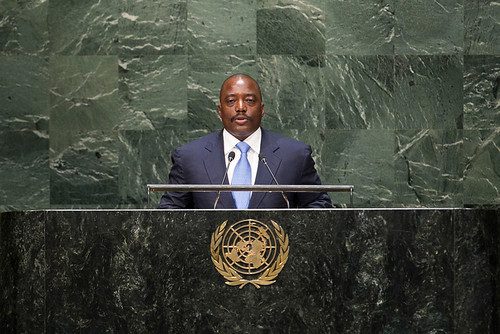
Joseph Kabila's trial: historic trial or political move?
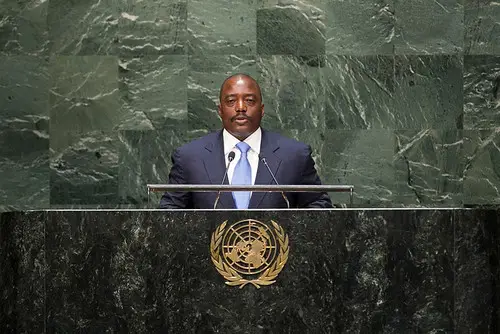
Joseph Kabila's trial: historic trial or political move?
The trial of the former president of the Democratic Republic of Congo, Joseph Kabila, is drawing the attention of the entire African and international political scene. Before the High Military Court of Kinshasa, he faces extremely serious charges ranging from treason to conspiracy, including alleged war crimes. Authorities accuse him in particular of supporting the AFC/M23 rebellion and maintaining close ties with Rwanda, a neighbour with whom relations have historically been tense.
His supporters see this legal process as an attempt to sideline an influential political figure. His critics view it as finally giving the Congolese justice system a chance to hold one of the country's most powerful leaders of the past two decades to account. With the next hearing scheduled for 7 August 2025, this trial could become one of the most significant events in the contemporary history of the DRC.
Political and historical context
Joseph Kabila led the DRC from 2001 to 2019, taking over from his father Laurent-Désiré Kabila, who was assassinated while serving as president. During his tenure, the country experienced both periods of relative stability and episodes of intense violence, particularly in the east. The current accusations are rooted in this persistent instability, where armed groups, including M23, have repeatedly been accused of committing atrocities against civilians.
M23 is a rebel group that emerged in 2012, quickly taking control of vast areas, including the strategic city of Goma. Though officially disbanded following a peace agreement, it has resurfaced and been accused of fresh attacks. According to prosecutors, Joseph Kabila played a key role in this comeback.
Charges and evidence presented
The charges include: treason, conspiracy against the state, crimes against peace, illegal occupation of cities, rape, torture, deportation and apology for terrorism. Several videos have already been presented as evidence, including public speeches by Kabila and statements from his close associates. Prosecutors also say they have testimony describing direct communications between the former president and rebel commanders.
The prosecution contends that Kabila worked to weaken his successor Félix Tshisekedi's grip on power by encouraging insurrectionist movements to create political and military instability. If proven, this scenario would constitute a serious crime under Congolese law.
The defence's response
For his part, Joseph Kabila flatly denies all charges. He denounces the trial as politically motivated and claims it is a manoeuvre orchestrated to eliminate any serious opposition to the current government. He also criticises the military justice system for lacking impartiality and transparency, while maintaining that his past actions were always aimed at protecting the country's territorial integrity.
His lawyers, along with several political figures from his party, the PPRD, argue that the evidence presented by the prosecution is either fabricated or taken out of context. They insist that no independent investigation has been conducted and that the trial violates the defendant's fundamental rights.
Political and geopolitical stakes
This trial has repercussions far beyond the courtroom. Domestically, it comes at a time of heightened political tensions, as crucial elections approach. Regionally, it risks further straining already fragile relations between the DRC and Rwanda, which is accused of backing M23.
For the international community, this trial will be watched as a test of the DRC's ability to ensure a fair trial, even for its highest officials. A verdict seen as unjust could damage the country's image, while a procedure that respects international standards could strengthen its credibility.
A historic legal precedent
This is the first time a former Congolese president has been tried before the High Military Court. This unprecedented aspect gives the trial considerable symbolic weight. It could set a precedent in the fight against impunity for leaders, while sending a strong message to those who might consider committing similar crimes in the future.
Yet the question remains open: is this process genuinely aimed at delivering justice to victims and upholding the rule of law, or is it a tool for political score-settling? This ambiguity largely explains the division in public opinion.
Conclusion and outlook
Joseph Kabila's trial is far more than a legal matter. It is a turning point in the DRC's political history, one that could reshape relations between power, justice and the military. If the charges are proven, it will mark a major shift towards greater accountability of leaders. If not, it could reinforce the perception of a justice system being used as a political weapon.
Ultimately, this trial embodies a central dilemma for many emerging democracies: how to pursue justice while preserving political and social stability. The answer the DRC gives through this case could shape its future for years to come.
Useful links:
For more details on the background and progress of the trial, you can read our full analysis here.