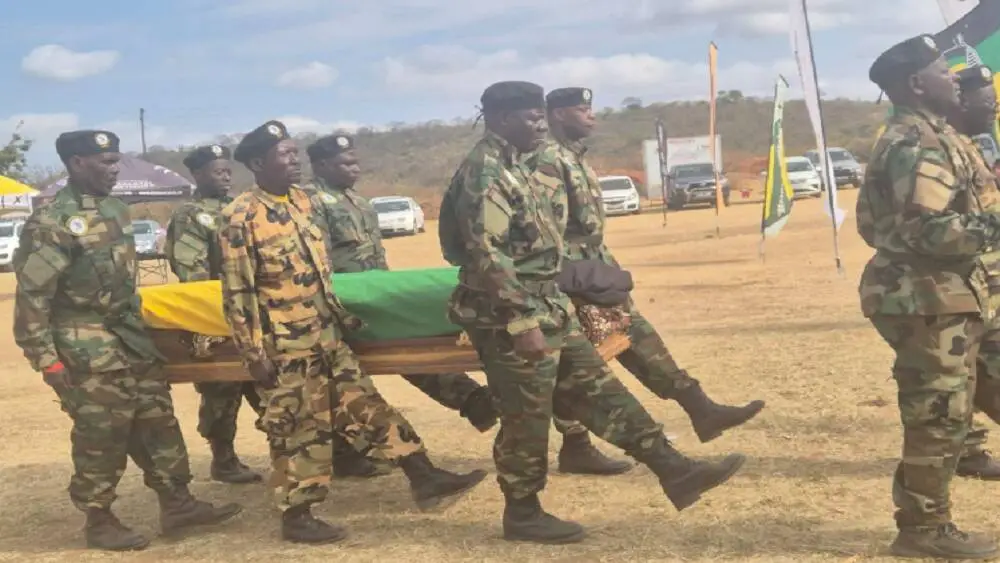
Families of two anti-apartheid activists from Ga-Maupa village near Giyani in Limpopo are demanding Giyani justice, calling for a renewed investigation into the execution of their loved ones during apartheid nearly four decades ago. The families say they are still waiting for answers about how and why the two activists were killed, as pressure grows in South Africa to reopen unresolved political violence cases from the apartheid era.
What Happened?
The case dates back to the final years of apartheid in South Africa, when state security forces were widely accused of targeting political activists opposing racial segregation and government oppression.
According to family accounts and community memory in Ga-Maupa village, the two activists were arrested during their involvement in anti-apartheid resistance activities in Limpopo. They were later executed under circumstances that remain unclear to their families.
For decades, no full explanation or official transparency has been provided to the relatives, leaving deep emotional and historical wounds unresolved.
Now, nearly 40 years later, the families are speaking out again, demanding Giyani justice through renewed state investigation and disclosure of historical records.
Families Demand Answers After Decades of Silence
Relatives of the deceased activists say they have lived with uncertainty for most of their lives. Many family members were children at the time of the killings and say they grew up without knowing the full truth about what happened.
One family spokesperson said the silence from authorities has been more painful than the loss itself, as it has prevented closure and healing.
They are now calling on South Africa’s justice system and historical truth commissions to revisit the case, arguing that many apartheid-era crimes remain unresolved.
The families also want access to classified or archived government documents that may reveal details about the executions.
Historical Context of Apartheid Violence
During apartheid, political suppression was systematic and often brutal. Security forces were granted broad powers to detain, interrogate, and eliminate individuals considered threats to the regime.
Many anti-apartheid activists in rural areas like Limpopo faced extreme risks, including detention without trial, torture, and extrajudicial killings.
Cases similar to the Ga-Maupa executions were not uncommon, but many were never fully investigated after the end of apartheid in 1994.
While the Truth and Reconciliation Commission (TRC) addressed thousands of cases, several families argue that some incidents, especially in remote villages, were overlooked or never fully resolved.
What Officials Have Said
At present, there has been no new official public statement specifically addressing the renewed call for Giyani justice in this case.
However, South Africa’s historical justice framework has previously encouraged families of apartheid-era victims to submit unresolved cases for reconsideration.
Legal experts suggest that reopening such cases depends on the availability of evidence, witnesses, and state archives, many of which may still exist but have not been fully examined in recent years.
Community Reaction in Limpopo
In Ga-Maupa and surrounding areas of Giyani, the story has reignited emotional discussions about apartheid-era losses.
Community members say the renewed attention highlights how rural families were disproportionately affected by political violence and how many stories remain undocumented.
Local voices have expressed support for the families’ demand for justice, saying that acknowledgment of past crimes is essential for reconciliation.
Why This Case Still Matters Today
The call for Giyani justice reflects a broader national issue in South Africa: unresolved apartheid-era cases.
Even decades after the official end of apartheid, many families still lack answers about missing relatives, unexplained deaths, and state violence.
Human rights advocates argue that addressing these cases is important not only for historical accuracy but also for healing intergenerational trauma.
The case also raises questions about how effectively past truth mechanisms documented rural and less visible communities.
What Happens Next?
The families are expected to continue pushing for the reopening of investigations and may seek legal or institutional support to access state archives.
Legal observers say that renewed public attention could increase pressure on authorities to review unresolved apartheid-era executions, especially where families are actively seeking justice.
If new evidence emerges, there is a possibility that historical cases like this could be formally re-examined.
Conclusion
The demand for Giyani justice highlights how the legacy of apartheid continues to affect families in South Africa. For the relatives of the two executed activists, the passage of time has not erased their need for truth.
As calls for accountability grow louder, this case stands as a reminder that historical justice remains an unfinished chapter in South Africa’s journey toward reconciliation.