Meta Description:
“Mount David Nature Reserve transformed 800 hectares of degraded land into thriving fynbos, wetlands, and safe habitat for the rare Moonlight Mountain Toadlet.”
Introduction
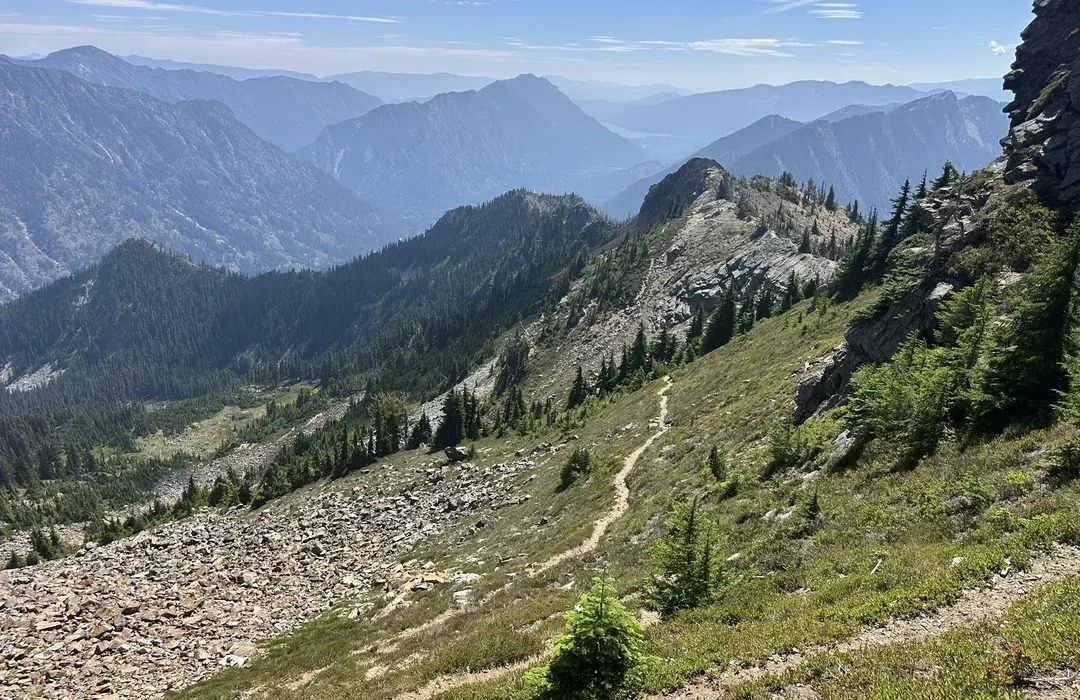
The newly declared Mount David Nature Reserve in South Africa’s Western Cape represents a landmark in private conservation. Once a working farm called Diepgat, the property now protects pristine fynbos and vital wetlands that host unique wildlife. Years of rehabilitation transformed degraded soil into flourishing ecosystems. Spanning more than 800 hectares, Mount David shelters the endangered Moonlight Mountain Toadlet and countless native plants, proving that patience and science can bring biodiversity back to life.
Mount David and Its Declaration
In 2025 the Western Cape Government formally proclaimed Mount David Nature Reserve a protected area. Landowner Antony van Hoogstraten worked with CapeNature, Bionerds, and the Endangered Wildlife Trust to rehabilitate the landscape. They cleared invasive trees, reopened natural drainage lines, and mapped key habitats. Official status secures the property under conservation law and ensures that the progress made over two decades will continue for generations. The site now strengthens the province’s broader network of nature reserves and wildlife corridors.
Mount David and the Moonlight Mountain Toadlet
One highlight of the reserve is the Moonlight Mountain Toadlet (Capensibufo selenophos). Scientists once knew almost nothing about this amphibian until surveys revealed healthy breeding pools on the property. The tiny species depends on shallow, temporary water bodies surrounded by intact vegetation. Because amphibians react quickly to environmental change, their presence signals a clean, stable habitat. Protecting these pools benefits a web of insects, plants, and birds that rely on the same delicate ecosystem.
Mount David and the Return of Fynbos
The Cape Floristic Region’s fynbos vegetation thrives again inside the reserve. Decades ago, alien acacias and pines smothered much of the terrain. Continuous clearing, careful fire scheduling, and natural regeneration allowed indigenous shrubs to rebound. Proteas, ericas, and restios now cover the slopes, while pollinators like sunbirds and bees have returned. Botanists even rediscovered a rare Erica once thought extinct. Restored fynbos not only beautifies the landscape but also protects soil and stores carbon, adding climate-resilience value.
Mount David as a Model for Private Stewardship
Unlike many reserves, Mount David remains privately owned. Through the Biodiversity Stewardship Programme, the landowner gained formal protection while keeping ownership. This arrangement rewards voluntary conservation and encourages others to follow. By proving that ecological restoration can succeed outside state-run parks, the project bridges the gap between private initiative and national environmental goals. It’s an inspiring template for future partnerships across South Africa.
Mount David and Its Wildlife
Beyond the toadlet, the reserve teems with life. Leopards roam the ridges; grey rhebok, klipspringer, and caracal move through valleys. Bird-watchers record black harriers, Verreaux’s eagles, and blue cranes soaring overhead. Each species benefits from a variety of habitats—wetlands, fynbos, and grassland patches—that together maintain a balanced ecosystem. Protecting this diversity ensures that predator–prey relationships and pollination cycles remain intact even as the climate shifts.
Mount David and Water Security
The wetlands within Mount David Nature Reserve act as natural water filters. They absorb seasonal rain, trap sediment, and release clean flows downstream. Native vegetation slows runoff, preventing erosion and reducing flood peaks. In a province that often faces drought, these intact catchments are vital for storing groundwater. Restored wetland systems also supply breeding areas for amphibians and feeding zones for wading birds, proving that water conservation and biodiversity protection go hand in hand.
Mount David and Community Engagement
Local communities play a key role in maintaining the reserve’s success. Nearby schools participate in environmental education days, while volunteers help remove invasive plants. Limited eco-tourism—guided hikes and research visits—offers economic opportunities without harming sensitive areas. These programs cultivate pride and understanding among residents. When people see benefits from a healthy environment, they become its strongest allies, ensuring the reserve’s protection long after official ceremonies fade.
Mount David and Ongoing Research
Continuous monitoring keeps management decisions grounded in data. Scientists track amphibian calls, vegetation regrowth, and water quality. Drones map invasive-plant regrowth, while temperature loggers record microclimate changes. The information guides when to burn, where to reseed, and how to plan visitor access. Because this reserve mirrors many Western Cape ecosystems, findings here inform conservation strategies throughout the region. Science and stewardship operate side by side.
Mount David and Its Future
Future plans focus on consolidating gains—maintaining alien-plant control, refining fire management, and expanding public-awareness programs. Collaboration with universities will deepen understanding of fynbos genetics and amphibian ecology. Sustainable funding from low-impact tourism could cover ongoing costs. The vision is simple: protect the land, share the lessons, and inspire others to follow. With continued care, Mount David will remain a beacon of restoration for decades to come.
FAQs
Q1 – Where is the reserve located?
It lies in South Africa’s Western Cape, covering about 800 hectares of mountain slopes and wetland valleys.
Q2 – Why was it established?
To safeguard rare fynbos habitats, restore wetlands, and protect the endangered Moonlight Mountain Toadlet.
Q3 – Who manages the site?
The private landowner manages it with support from CapeNature and the Endangered Wildlife Trust under a stewardship agreement.
Conclusion
The declaration of Mount David Nature Reserve demonstrates how restoration, science, and community can turn damaged land into thriving habitat. Its wetlands filter water, its fynbos blooms once more, and its wildlife thrives where crops once grew. The reserve’s success shows that conservation need not wait for vast funding—it begins with commitment and continues through cooperation. For South Africa and beyond, Mount David stands as living proof that nature can heal when people choose to help.