Introduction
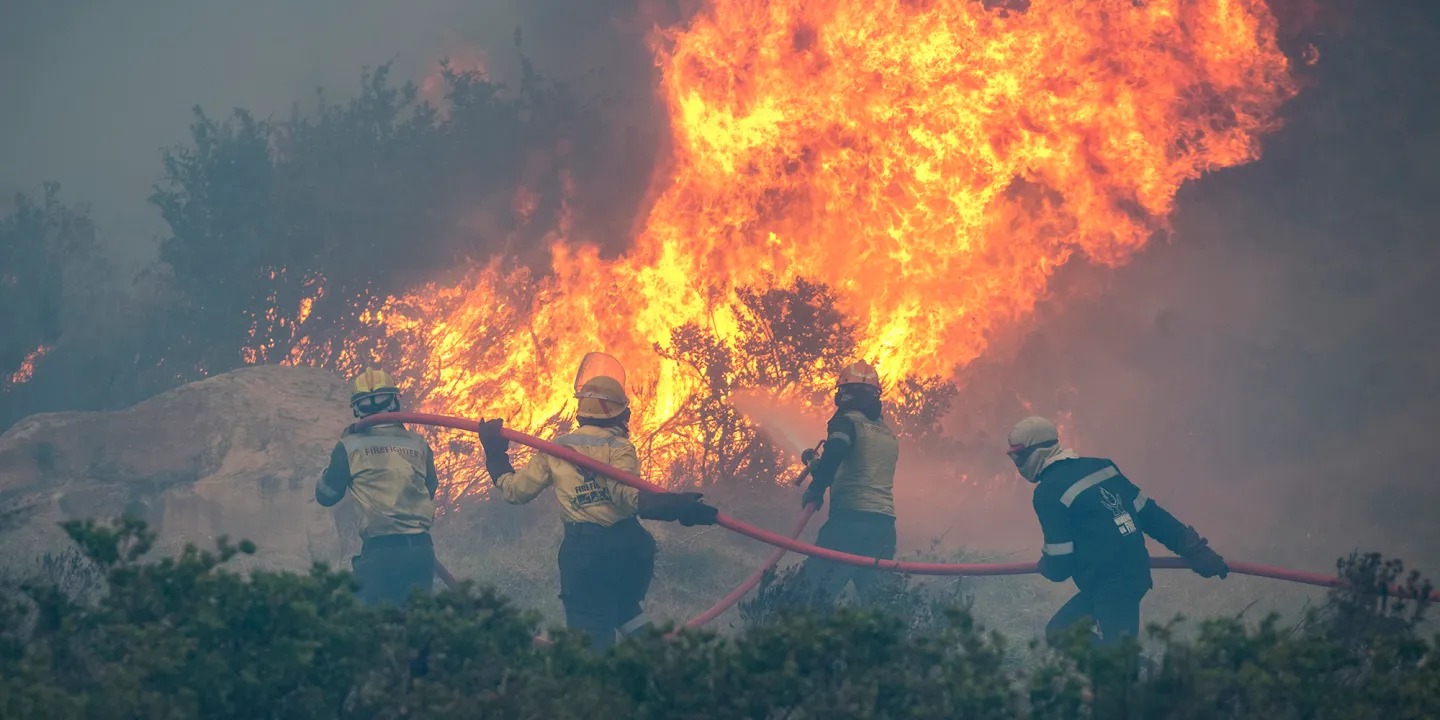
Cape Wildfires will shape the Western Cape’s emergency priorities between November and April. Recent blazes in the Garden Route and Cape Winelands exposed vulnerabilities in dry, windy conditions and prompted inspections of firefighting facilities. Officials have confirmed resources, tested communication links, and staged aerial and ground assets to respond quickly. Yet, authorities stress that community action remains critical: early reporting, clearing vegetation, and following burn restrictions reduce ignition sources. This article explains seven essential readiness steps residents and local authorities should adopt now to minimise loss and improve response when fires start.
Cape Wildfires: 1. Understand Seasonal Risk and Local Alerts
Cape Wildfires risk rises when vegetation is dry and winds are strong, especially during berg wind events that push flames rapidly. Local disaster management agencies issue red-flag warnings and alert levels through official channels. Residents should register for municipal alerts, follow local weather services, and track fire danger forecasts. Knowing evacuation routes and muster points before an alert reduces chaos. Inspections at strategic facilities have emphasised the role of early warning systems: sirens, SMS alerts, and social media feeds that link to verified municipal updates. Community volunteer groups often supplement official alerts with door-to-door checks in remote areas. Understanding how your local alert system operates helps ensure you get timely, actionable information.
Cape Wildfires: 2. Secure Your Property and Create Defensible Space
Cape Wildfires spread fastest where fuel is dense and close to buildings. Create a defensible space by clearing dry leaves, pruning low branches, and removing combustible materials near your house. Keep grass short and replace flammable plants with fire-resistant landscaping. Store firewood and petrol well away from structures. Seal gaps around eaves and vents to reduce ember entry. During inspections, fire crews focus on access — ensuring vehicles and equipment can reach properties quickly. Mark driveways clearly and maintain gates that open outward. Simple changes, like installing ember-resistant vents or using non-combustible roofing where possible, significantly reduce the risk of structural ignition during bushfires.
Cape Wildfires: 3. Prepare an Emergency Plan for Your Household
Cape Wildfires demand clear, practiced household plans. Decide on a primary escape route and one backup path in case roads are cut. Agree on a family meeting spot and an out-of-area contact who can coordinate between separated members. Pack a grab-and-go kit with essentials: water, medications, documents, chargers, and clothing for several days. Practice evacuation drills so everyone knows what to do when an alert sounds. Keep pets and livestock plans ready — carriers, harnesses, feed and transport routes. Record important documents digitally and keep physical copies in a fireproof container. When officials inspect community preparedness, households with clear plans greatly reduce rescue complexity and stress on emergency services.
Cape Wildfires: 4. Understand Official Restrictions and Fire Bans
Cape Wildfires season brings legal restrictions on open flames and activities that could spark fires. Municipalities often issue fire bans, restrict agricultural burning, and control access to high-risk natural areas. Know the specific rules in your municipality — penalties may apply for violations. During high-risk days, refrain from welding, using chainsaws, or driving over dry grass. Many recent inspections confirmed enforcement readiness: patrolling teams, signage, and temporary closures where needed. If you work outdoors or manage farmland, plan operations around forecasted danger periods and consult local authorities before planned burns or heavy-machinery use in dry vegetation.
Cape Wildfires: 5. Coordinate with Community Firewise Initiatives
Cape Wildfires response improves when neighbours work together. Community “Firewise” or volunteer fire-prevention groups organise fuel reduction, create fire breaks, and share resources like pumps and radios. Join local initiatives or start one if none exist — collective action multiplies your mitigation efforts. Training sessions offered by municipal fire departments cover basic firefighting safety and safe uses of garden equipment. During recent facility inspections, officials noted strong community groups that helped with both prevention and on-the-ground support during incidents. Collaborating with neighbours also helps protect vulnerable residents who may need assistance with clearing yards or evacuation.
Cape Wildfires: 6. Check and Maintain Firefighting and Aerial Support
Cape Wildfires response relies on a mix of ground crews, volunteer brigades, and aerial firefighting resources. Authorities reported that helicopters and fixed-wing aircraft were staged and that retardant supplies had been checked. Residents should know where the nearest fire station is located and what resources it holds. Keep access routes clear for emergency vehicles, and avoid parking in narrow lanes. Inspect private water sources, pumps, and hoses if you volunteer or plan to support initial response efforts. During inspections, crews highlight the importance of reliable communications and fuel supplies so that aerial and ground coordination is uninterrupted when a fire starts.
Cape Wildfires: 7. Improve Personal and Community Awareness Through Education
Cape Wildfires prevention is also an education campaign. Municipalities and NGOs are running awareness programmes that teach safe behaviour, such as proper disposal of cigarettes, safe use of machinery, and reporting suspicious smoke. Schools, workplaces and farming communities should include fire safety in training calendars. Public information drives often distribute clear checklists for home readiness and evacuation. During recent inspections, officials confirmed that outreach materials were ready to be deployed across radio, print and social media platforms. Building a culture of awareness ensures that small risky behaviours are reduced and that when fires begin, community response is more coordinated.
Cape Wildfires: 8. What Officials Are Doing to Strengthen Response
Cape Wildfires preparations by authorities include equipment inspections, training rotations, and interagency drills. Inspections at command centres and airbases checked pumps, hoses, aircraft readiness, and fuel levels. Communication networks have backup power and redundancies to ensure continuous coverage. Cross-border coordination with neighbouring provinces improves resource sharing during large incidents. Funding allocations in recent months prioritised wildfire mitigation and community outreach. Officials are also updating risk maps and staging crews in historically vulnerable areas to reduce response times. While infrastructure is strengthened, authorities still call for public participation to lower ignition sources and support faster containment.
Cape Wildfires: How Weather Patterns Influence Fire Behaviour
Cape Wildfires behaviour hinges on weather: temperature, humidity and wind determine how fast fires spread. Hot, dry spells desiccate fuels, while strong winds provide oxygen and carry embers ahead of the main front. Meteorological services monitor these variables and issue fire danger ratings. During berg wind events, fire front speeds can increase dramatically and smoke production intensifies, reducing visibility and complicating aerial operations. Forecast-based staging allows officials to preposition resources in anticipation of extreme conditions. Residents should heed weather warnings and be ready to act quickly on high-danger days — evacuation chances decline sharply once wind-driven fires take hold.
Cape Wildfires: Practical Checklist for Immediate Action
Cape Wildfires readiness can be summarised into an immediate checklist: clear gutters and roofs, remove flammable items, prepare a grab kit, register for local alerts, keep vehicles fuelled, check gates for access, and coordinate with neighbours. Prioritise actions that reduce ember risk and improve access for crews. If authorities issue an evacuation, follow instructions quickly — delayed departures increase risk. Keep emergency contact numbers handy and ensure your phone remains charged. Simple, consistent steps can make the difference between a minor incident and a destructive event, especially when combined with broader municipal and community measures.
FAQs
Q: What should I do when Cape Wildfires warnings are issued?
A: Follow official evacuation orders, take your grab-and-go kit, and move to a safe location as instructed to reduce risk.
Q: Can my garden help reduce Cape Wildfires risk?
A: Yes. Create defensible space by removing dry fuel, keeping grass short, and choosing low-flammability plants.
Q: How can community groups help with Cape Wildfires prevention?
A: Volunteer groups can clear fuel, run awareness drives, and support vulnerable neighbours during alerts.
Conclusion
Cape Wildfires are an annual reality for the Western Cape, but preparation reduces impact. Officials have inspected facilities and staged resources, yet community readiness remains vital. Implement the seven steps above—understand alerts, secure your property, plan evacuations, obey fire bans, join local initiatives, check firefighting resources, and boost awareness. Collective action now will make the season safer for families, farms and towns across the province.