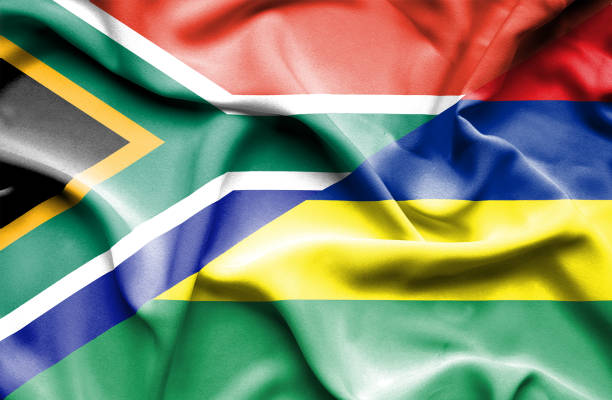
Johannesburg, South Africa — South Africa has officially launched its 16 Days of Activism Against Gender-Based Violence and Femicide (GBVF) Campaign 2025, an annual initiative that raises awareness and provides support to at-risk communities. This year, the campaign is linked with Mauritius’ corporate social responsibility (CSR) programs, which have pledged Rs 2.9 million to NGOs working on social support and climate resilience. The partnership highlights a regional approach to tackling gender and environmental vulnerabilities together.
What Happened?
The 16 Days of Activism, running from 25 November to 10 December, brings together government departments, civil society, and communities to combat gender-based violence (GBV) and femicide.
This year, Mauritius has contributed CSR funds to NGOs supporting both social welfare and climate resilience projects, creating a model for cross-African Union collaboration. By combining gender advocacy with environmental and social support, the partnership ensures that vulnerable communities receive holistic and sustainable assistance.
Officials stress that linking national campaigns with regional CSR programs increases impact by pooling resources, expertise, and best practices, benefiting women, children, and marginalized groups.
Official Statements
South Africa’s Department of Women, Youth, and Persons with Disabilities emphasized the campaign’s regional significance:
“The GBVF Campaign is more than a national initiative; it is a movement to protect lives and promote social justice. Partnering with Mauritius allows us to share knowledge and resources, reaching more communities across the region.”
Mauritius’ Minister for Social Development highlighted the broader implications:
“Our CSR allocation of Rs 2.9 million reflects Mauritius’ commitment to social and sustainable development. Collaborating with South Africa ensures programs are effective, scalable, and aligned with African Union priorities.”
These statements highlight the strategic alignment between national advocacy and regional development efforts, offering a blueprint for other African countries.
Focus on Social and Environmental Initiatives
Mauritius’ CSR funding targets projects that:
- Support women and children facing social vulnerabilities
- Promote climate resilience in both urban and rural communities
- Strengthen NGO capabilities to deliver effective programs
By combining gender-focused initiatives with environmental resilience projects, the partnership fosters holistic community development. South Africa’s GBVF Campaign complements this by mobilizing government agencies, NGOs, and community leaders to provide social, legal, and educational support for victims of gender-based violence.
Experts note that addressing social and environmental challenges together enhances long-term sustainability, helping communities become more self-reliant and resilient.
Social Media Reactions
The campaign has gained traction on social media in both South Africa and Mauritius. Hashtags like #GBVFCampaign2025, #16DaysOfActivism, and #MauritiusCSR are trending, signaling strong public engagement.
NGOs, community members, and activists are sharing stories, resources, and program updates, which amplify awareness and participation. Analysts note that social media coverage increases donor engagement and volunteer support, boosting the campaign’s overall effectiveness.
Why This Matters
The collaboration between South Africa’s GBVF Campaign and Mauritius’ CSR programs carries significant implications:
- Regional Cooperation: Cross-border initiatives strengthen AU-wide social programs.
- Empowering Vulnerable Groups: Women, children, and marginalized communities gain targeted support.
- Sustainable Impact: Linking gender advocacy with environmental programs ensures lasting results.
- NGO Capacity Building: Funding improves efficiency, accountability, and program reach.
This partnership demonstrates how national campaigns can achieve greater impact through regional collaboration, providing a model for replication across Africa.
Next Steps
Officials have outlined measures to ensure sustained impact beyond the 16-day campaign:
- Monitor Mauritius-funded NGO projects for effectiveness
- Facilitate knowledge-sharing between South Africa and Mauritius programs
- Expand advocacy campaigns on gender equality and environmental resilience
- Encourage other AU countries to adopt similar integrated approaches
Experts stress that ongoing evaluation and collaboration are crucial for achieving measurable and long-lasting results.
Expert Insights
Policy and gender experts praise the integrated approach:
“Connecting national GBVF campaigns with regional CSR initiatives maximizes resources and impact. South Africa and Mauritius provide a strong example of combining social justice with sustainable development,” says Dr. Lerato Khumalo, gender policy analyst.
NGO leaders highlight that Mauritius’ Rs 2.9 million commitment enables programs to scale effectively, ensuring vulnerable populations benefit from well-managed and sustainable initiatives.
Broader Implications for Africa
The partnership has wider implications for the continent:
- AU Collaboration Model: Demonstrates how cross-border campaigns can succeed with shared resources.
- Integrated Development: Combines gender, social, and environmental interventions.
- Public Engagement: Social media drives awareness, volunteerism, and advocacy.
- Strengthened NGOs: Funding and partnerships enhance program delivery, governance, and sustainability.
By linking national campaigns with regional CSR initiatives, South Africa and Mauritius set a new standard for coordinated, impactful social change across Africa.
Conclusion
The GBVF Campaign 2025 highlights South Africa’s commitment to protecting vulnerable populations while promoting regional collaboration. Partnering with Mauritius’ CSR programs ensures that interventions are comprehensive, sustainable, and impactful, addressing gender, social, and environmental vulnerabilities simultaneously.
With government support, NGO engagement, and strong public participation, the GBVF Campaign offers a replicable model for Africa, illustrating the benefits of cross-border partnerships in advancing social justice and sustainable development.