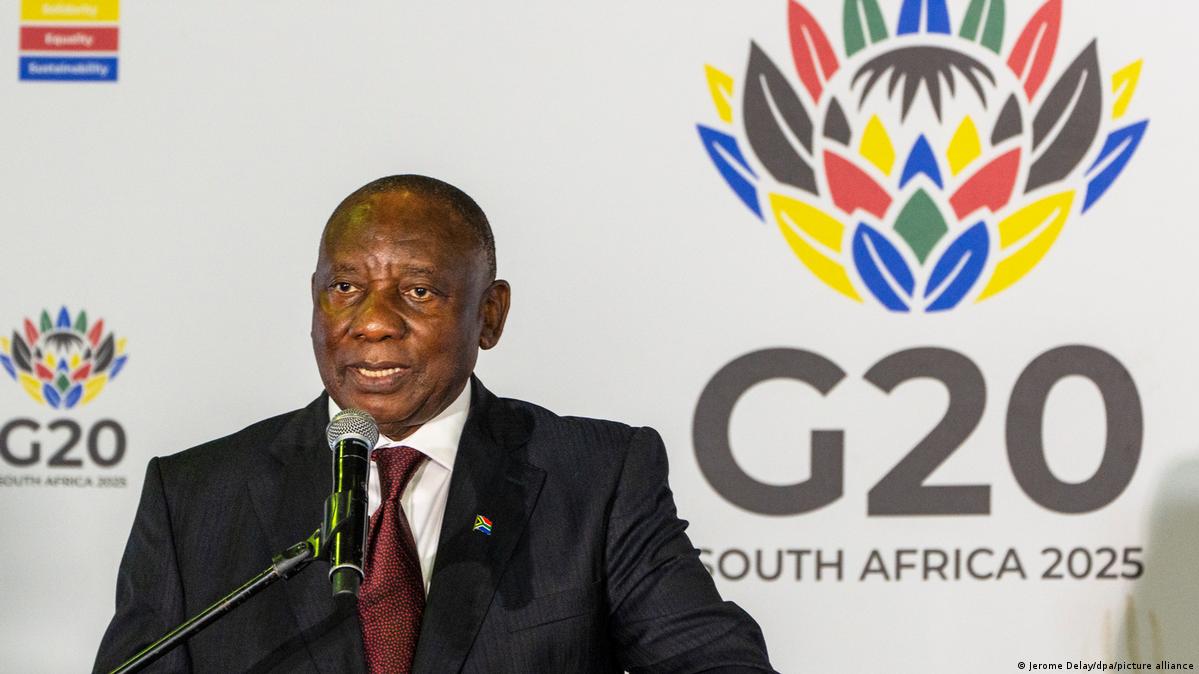
South Asia may be on the verge of a major economic breakthrough, with new analysis suggesting that sweeping financial reforms could unlock up to$293B for infrastructure and clean energy development across the region. The potential investment surge—highlighted in a recent regional economic review—comes at a critical moment as governments push for stronger resilience, new energy sources and long-term economic stability ahead of upcoming G20 discussions.
What the Report Reveals
A new Bangladesh-based development finance analysis indicates that the region’s current financial framework is too rigid, risk-sensitive, and underdeveloped to attract large-scale private capital. The study notes that global investors have shown “strong interest” in sustainable infrastructure and green energy, but continue to view South Asia as a high-risk destination due to outdated policies, credit limitations and insufficient investor guarantees.
According to the findings, a coordinated reform package—including regulatory modernization, credit-market restructuring, de-risking tools, and improved transparency—could unlock up to $293 billion over the next several years, primarily directed toward:
- Renewable energy projects
- Power grid modernization
- Transport and logistics networks
- Water, waste and climate-resilient infrastructure
- Public-private partnership (PPP) energy developments
This injection of capital could position South Asia as one of the fastest-growing investment zones in the developing world.
Why the $293B Opportunity Matters Now
Economists argue that South Asia is currently at a turning point. While GDP growth across several countries remains strong, infrastructure gaps continue to widen. From outdated transport networks to chronic energy shortages, the region’s development hinges on large-scale investment that domestic public budgets alone cannot meet.
The recent analysis highlights four core reasons why reforms are urgent:
Clean Energy Demand Is Rising Faster Than Supply
South Asia remains one of the most vulnerable regions to climate change. Rising heatwaves, flooding, and extreme weather demand rapid transition to clean energy systems. The report projects that renewable energy capacity must double within a decade to meet projected demand—an impossible task without foreign capital.
Infrastructure Deficits Are Slowing Growth
Several South Asian economies lose up to 2–3% of GDP annually due to inadequate infrastructure. Transportation bottlenecks, energy instability, and poor connectivity continue to raise production costs and deter investors.
Global Investors Are Looking for Emerging Markets to Expand
As Western markets mature, international funds and climate-finance institutions are seeking high-growth regions. South Asia represents a massive undercapitalized market—if regulatory barriers are removed.
G20 Discussions Are Increasing Pressure
With South Asia holding a more prominent seat in G20 debates, pressure is mounting to modernize financial structures and align with international investment standards.
What Reforms Are Needed First?
According to the analysis, several reforms could immediately change investor perceptions and capital flows:
• Strengthening Credit Guarantees & Risk-Sharing
Global investors have repeatedly cited the lack of project guarantees as the largest barrier. Expanding sovereign-backed guarantees, blended finance models, and multi-lateral partnerships would reduce investor risk.
• Modernizing Banking Regulations
Many regional banks still use outdated loan assessment frameworks, limiting long-term infrastructure financing. Regulatory flexibility—especially for green bonds and long-term credit products—is essential.
• Improving Transparency & Governance
Investors require clearer procurement rules, public data access, and stable regulatory environments. Governance reforms immediately increase investor confidence and compress financing costs.
• Expanding PPP Frameworks
Countries with strong PPP laws attract significantly more infrastructure funding. Strengthening dispute resolution, contract enforcement and private-sector participation would make South Asia far more competitive.
How Governments in the Region Are Responding
Governments across South Asia have already begun adjusting policies, though progress remains uneven.
Bangladesh
The country has signaled a push for renewable energy investments and is reportedly drafting new PPP models specifically for climate-resilient infrastructure.
India
India has expanded its green bond program and initiated several risk-mitigation mechanisms for solar and wind projects, boosting investor confidence.
Sri Lanka
Still recovering from economic distress, Sri Lanka is focusing on rebuilding fiscal stability before launching major green infrastructure initiatives.
Pakistan
Pakistan is exploring reforms to support clean energy, though investor uncertainty remains high amid financial pressures.
These moves, while promising, require coordination to unlock the full $293B opportunity.
Investor Sentiment: Cautious but Optimistic
Interviews included in the economic review reveal that major global investors see “significant potential” in South Asia—especially in solar power, grid upgrades, EV charging networks, and low-carbon transport.
However, many also emphasize:
- Policy inconsistency
- Long project approval timelines
- Foreign exchange risks
- Limited access to reliable project data
One investor was quoted as saying, “South Asia could become the world’s next clean energy hub, but not without stronger regulatory commitments.”
Impact on Ordinary Citizens
If reforms are implemented, the benefits could extend far beyond investors:
- Lower energy prices through expanded renewable supply
- More stable electricity grids, reducing outages
- New transport links improving trade and mobility
- More jobs in construction, engineering, technology and energy
- Improved climate resilience for vulnerable communities
In many cases, infrastructure investments have a direct multiplier effect, boosting local economies and supporting long-term growth.
What Happens Next
Regional leaders are expected to bring the findings to upcoming G20 and development finance discussions. Observers say the next 12–18 months will be decisive. If key reforms are passed, South Asia could rapidly reposition itself as a global clean-energy investment hotspot.
For now, economists agree on one central point:
South Asia cannot reach its economic or climate goals without deep financial reform—nor without unlocking the capital needed to drive change.
Governments across the region now face a critical decision that could shape the next decade of development.