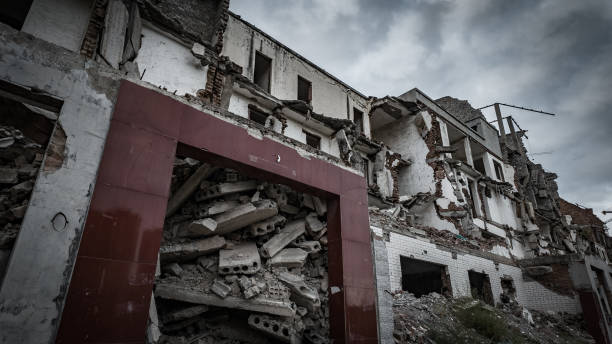
South Africa has formally rejected efforts to normalise diplomatic relations with Israel in light of the ongoing Gaza Legal Strike, reaffirming its commitment to international justice. On 8 December 2025, the government through its foreign ministry recalled its ambassadors and reaffirmed support for the case before the International Court of Justice (ICJ), which accuses Israel of genocide in Gaza. The move underscores Pretoria’s uncompromising stance even as global diplomatic pressure mounts.
What Happened
Following the latest developments in Gaza — including a controversial ceasefire agreement and intermittent humanitarian access — the South African government announced that it will not normalise or resume conventional diplomatic ties with Israel. Officials stated that the circumstances do not allow for a reset in relations under what they term the Gaza Legal Strike context. The decision includes the recall of ambassadors and a formal freeze on diplomatic engagement.
The announcement comes despite international efforts to stabilise the situation in Gaza and wider pressures from global players advocating for de-escalation and diplomacy. South Africa, however, emphasized that diplomatic normalisation would undercut international law and the ICJ process.
Official Statement and Rationale
In a statement issued by the Department of International Relations and Cooperation (DIRCO), Pretoria described Israel’s actions in Gaza — including alleged denial of humanitarian aid, use of starvation tactics, and military operations affecting civilians — as violations of international humanitarian law. The DIRCO cited the ICJ’s October 2025 advisory opinion, which reaffirmed Israel’s obligations under the Fourth Geneva Convention, including the duty to ensure essential supplies reach civilians.
South Africa’s government said normalising ties now would amount to a de facto endorsement of what it regards as continuing injustices — a step incompatible with Pretoria’s history and moral stance. Sources close to the decision described the move as “necessary to preserve the integrity of international law and human rights.”
Domestic and International Reaction
The announcement sparked protests in major South African cities. In Cape Town, thousands marched demanding a full severance of trade and diplomatic relations with Israel — not just a freeze. Protestors carried Palestinian flags and banners reading “No justice, no normalisation,” echoing decades-old calls for sanctions and divestment.
Internationally, reactions were mixed. Some allies of Israel criticized Pretoria’s decision as politically motivated and unlikely to contribute to peace. Meanwhile, human rights groups and several nations supportive of the ICJ case welcomed the move and lauded South Africa for maintaining pressure.
Implications for the ICJ Case
By rejecting normalisation, South Africa reinforces its legal strategy — not just as diplomacy, but as a continued call for accountability. The government reiterated that the recent Gaza ceasefire agreement does not nullify the genocide case currently before the ICJ. South African officials argue that peace without justice would be unsustainable, echoing concerns voiced by international rights monitors. They say the Gaza Legal Strike demands lasting accountability, reparations, and guarantees of non-reoccurrence.
What Happens Next
South Africa has reaffirmed its commitment to pursue the case through all legal means. The ICJ process is ongoing, with Israel required to respond to pleadings by early 2026. Meanwhile, Pretoria is expected to rally further international support — both politically and legally — aiming to increase pressure on Israel and reinforce the global norm against what it describes as genocide.
The government also signaled potential further diplomatic actions, including calls for sanctions, suspension of trade relations (notably in coal exports), and coordinated pressure with other concerned states.
Conclusion
With the Gaza Legal Strike as its guiding framework, South Africa has taken a resolute and public stand: no diplomatic normalisation, no business-as-usual. By aligning its foreign policy with its legal case, Pretoria underscores that — in its view — normalisation without justice would betray both its history and the victims in Gaza. How the international community responds may shape the broader trajectory of Middle East diplomacy and international humanitarian law enforcement.