South Africa’s latest Refugee Overhaul is causing waves as the government introduces sweeping changes to immigration rules, including mandatory asylum applications in the nearest safe country. The new approach marks one of the most significant policy shifts in years, aiming to reduce irregular migration while improving national security. While authorities frame the overhaul as a pragmatic solution to border management challenges, critics warn it risks neglecting vulnerable populations and international obligations.
What the Refugee Overhaul Entails
The Refugee Overhaul introduces several new measures:
- Mandatory asylum claims in the first safe country.
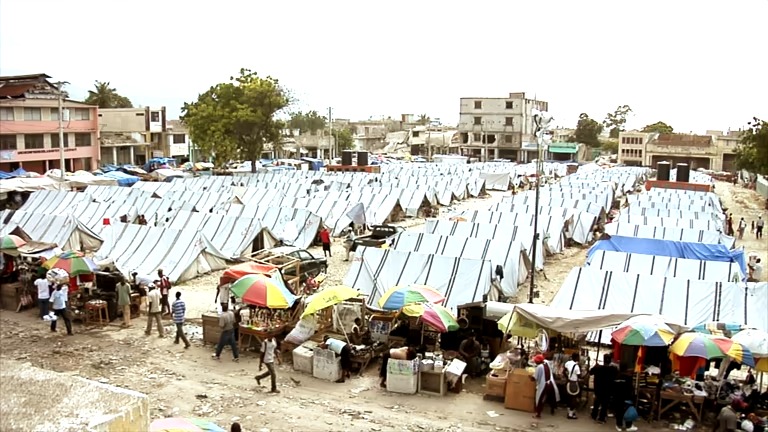
- Establishment of temporary government-managed refugee camps.
- Stricter documentation and verification requirements for asylum seekers.
- Limited access to resources for those bypassing the prescribed system.
Officials assert these steps will enhance border security, streamline migrant management, and reduce strain on public services.
Criticism from NGOs and Former Leaders
Prominent figures and human rights organizations have expressed deep concern over the Refugee Overhaul:
- Risks to refugees forced to remain in neighboring countries.
- Potential overcrowding and inadequate facilities in new camps.
- Limited legal protection and support for asylum seekers.
Former president Thabo Mbeki criticized the policy, stating that it could undermine South Africa’s longstanding humanitarian commitments and damage the country’s international reputation.
Political Reactions and Public Debate
The announcement of the Refugee Overhaul has divided opinion:
- Government supporters highlight the benefits of stronger border controls.
- Opposition parties accuse the administration of being overly harsh.
- Social media platforms are flooded with debates under hashtags like #RefugeeOverhaul and #SAImmigration.
Analysts suggest the issue could influence voter sentiment, particularly in provinces heavily affected by migration.
Implementation Challenges Ahead
Rolling out the Refugee Overhaul involves complex logistics:
- Securing and staffing refugee camps.
- Ensuring proper healthcare, food, and shelter for asylum seekers.
- Coordinating with neighboring countries to enforce the “First Safe Country” rule.
- Maintaining transparency and accountability to avoid mismanagement.
Experts warn that poor implementation could provoke national and international backlash.
Legal Implications of the Overhaul
The overhaul raises several legal and ethical concerns:
- Compliance with international refugee conventions.
- Potential court challenges regarding the rights of asylum seekers.
- Risk of human rights violations if camps are inadequately managed.
Legal analysts emphasize that precise documentation and monitoring are critical to prevent lawsuits and ensure legitimacy.
Government Perspective
Officials defending the Refugee Overhaul argue it will:
- Reduce unregulated migration.
- Enhance border and camp security.
- Optimize the distribution of humanitarian aid.
- Collaborate effectively with UNHCR and regional partners.
Authorities maintain that the policy is a necessary step toward long-term immigration reform.
Recommendations from Experts
Experts advise measures to ensure a successful Refugee Overhaul:
- Digital tracking systems for asylum applications.
- NGO partnerships to provide legal and educational support.
- Phased implementation to prevent overcrowding.
- Strict oversight mechanisms to reduce corruption risks.
Balancing security with humanitarian obligations is considered essential for the policy’s credibility
What’s Next for South Africa
The government plans to roll out the Refugee Overhaul gradually:
- Identifying and preparing temporary camp locations.
- Recruiting and training staff.
- Coordinating with international agencies.
- Monitoring compliance and adjusting policies based on outcomes.
The policy could significantly reshape South Africa’s approach to refugees and influence regional migration patterns.
Conclusion
The Refugee Overhaul represents a major transformation in South Africa’s immigration policy. While authorities stress security and efficiency, critics warn of humanitarian risks and potential legal battles. Transparent implementation, international cooperation, and protection of vulnerable populations will be key to the policy’s success.