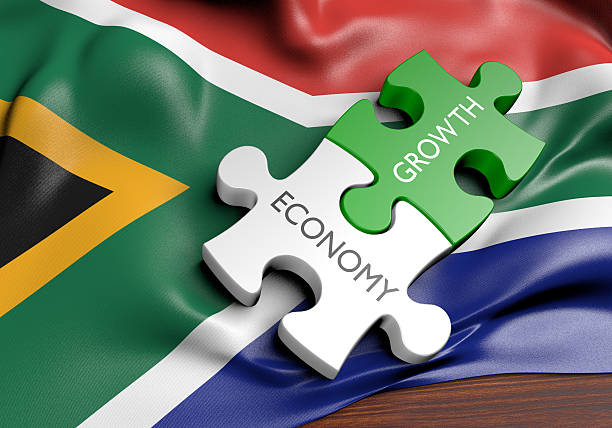
Business Confidence in South Africa surged to its strongest reading since 2011, reaching 132.3 on the SA Chamber Index, as a powerful rebound in domestic and international tourism reshapes expectations for the year-end economy. The record-high festive travel period, combined with a firmer rand and an easing of electricity disruptions, has created what economists are calling an exceptionally rare moment of broad-based economic optimism.
Released late Tuesday, the new index confirms a significant upward shift in business sentiment heading into the final weeks of the year. Analysts say the rise reflects measurable improvements rather than temporary enthusiasm, marking a potential turning point for several key sectors that have struggled under inflationary pressure and years of unstable power supply.
What Triggered the Sharp Rise in Confidence?
The SA Chamber attributed the 14-year high primarily to three converging factors:
1. A Record Holiday Tourism Wave
South Africa’s coastal cities and major metros are experiencing some of their busiest seasons in nearly a decade. Hotel occupancy in Cape Town, Durban, and parts of the Western Cape has hovered between 90% and 98%, beating both pre-pandemic levels and recent forecasts.
International arrivals from Europe and North America have surged, with airlines reporting full flights in the first half of December. Domestic travel has also spiked, with interprovincial routes exceeding normal holiday volumes.
2. Strengthening of the Rand
Foreign tourism spending and portfolio inflows have provided momentum for the rand, which firmed against both the dollar and euro during the first two weeks of December. A stronger currency has eased import costs for retailers and manufacturing firms, further boosting short-term sentiment.
3. Stabilization in Power Supply
Though load-shedding has not been eliminated, reduced frequency over the past month has created a more predictable environment for businesses. Economists say this “breathing space” allowed firms to operate at higher capacity throughout the start of the holiday season.
Together, these conditions pushed the confidence index above the symbolic 130 mark, often associated with economic expansion cycles.
What Officials and Economists Are Saying
Economic commentators welcomed the results, cautioning, however, that continued improvement depends on January’s performance.
Dr. Sizwe Luthuli, senior economist at the Chamber, said the index reflects genuine gains rather than seasonal volatility:
“This is the strongest reading we’ve seen in 14 years, and it is not a statistical anomaly. The spike is rooted in real activity — tourists are here, hotels are full, spending is up, and businesses are operating with fewer disruptions.”
Officials in the tourism sector echoed this sentiment, crediting strategic campaigns and increased international marketing for the surge in arrivals.
Tourism Minister Lindiwe Mahaye stated:
“South Africa is firmly back on the global travel map. Our December recovery has exceeded expectations, and the economic benefits are visible across hospitality, transport, retail, and leisure services.”
Market analysts say the high index reading could support stronger private-sector investment during the first quarter of next year, provided stability remains in core sectors.
Rand Strength Provides Additional Momentum
The confidence boost coincided with renewed appreciation of the South African rand, which has responded favorably to elevated seasonal inflows. Traders note that tourism-driven spending, combined with increased offshore investor interest, has created temporary strength across currency markets.
Currency analyst Marius Cilliers noted:
“The rand is getting support from inflows linked to tourism and improved risk appetite. It is still vulnerable to global conditions, but the festive-season boost is real and visible in the data.”
Retailers have highlighted that a stable rand during December reduces the cost of imported goods, allowing shops to maintain competitive festive pricing — a win for both customers and businesses.
Tourism Boom Delivers Substantial Economic Impact
The scale of this year’s tourism recovery has exceeded most projections. According to the Tourism Business Council:
- Visitor spending in December is expected to surpass R10 billion
- Hospitality and leisure businesses report 5–15% higher turnover than last year
- Airport passenger traffic has reached the highest level since 2019
- Seasonal hiring has increased, easing unemployment pressure in key provinces
Industry leaders say the tourism spike has provided “vital oxygen” for businesses that struggled through previous years of sluggish consumer demand and power instability.
Cape Town International Airport has managed a near-record number of daily landings, while Durban’s Golden Mile beaches have seen some of their busiest days in years.
Social Media Reaction and Public Mood
The surge in tourism and positive economic indicators has sparked widespread discussion online. Hashtags such as:
- #SARecovery
- #TourismSeason
- #BusinessConfidence
trended across South African platforms as residents shared images of crowded beachfronts, bustling markets, and revived nightlife districts.
Public sentiment, while cautiously optimistic, reflects a widespread desire for prolonged economic improvement rather than short-lived holiday gains.
What Happens Next?
Analysts say the next eight weeks will determine whether the confidence spike marks the beginning of a more sustained recovery or a seasonal high point.
Key indicators to watch include:
1. January Electricity Stability
If power disruptions remain manageable, manufacturing and retail sectors may maintain strong momentum into the first quarter.
2. Continued Tourism Through Early 2026
South Africa traditionally sees strong arrivals in January and February, especially from long-haul tourists escaping winter conditions in the Northern Hemisphere.
3. Rand Performance Beyond Seasonal Support
A stable or strengthening currency into late January would reinforce business sentiment and lower import cost pressures.
4. Private Sector Hiring Trends
Improved confidence typically leads to increased recruitment. Analysts will monitor whether businesses continue to expand staff beyond temporary holiday appointments.
5. Government Policy Announcements
Several economic and investment policy outlines expected early next year may influence how businesses plan for 2026.
Economists suggest that if the business confidence index remains above 120 for consecutive months, South Africa may enter its strongest growth cycle since the mid-2010s.
Conclusion
South Africa’s renewed Business Confidence reflects an economy benefiting from a powerful tourism resurgence, improving currency conditions, and reduced operating disruptions. While challenges remain, the latest data points to real momentum heading into the new year. For the first time in many years, multiple sectors — from hospitality to retail to financial services — are reporting synchronized improvement, raising hopes for a stronger, more stable economic outlook in 2026.