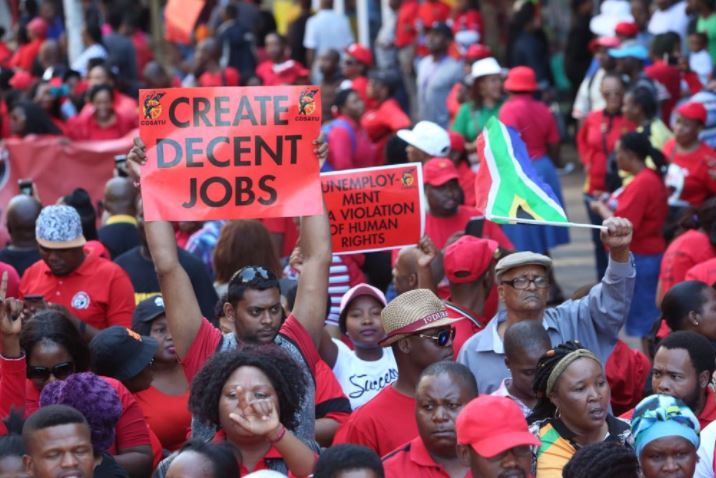
South Africa’s labour movement has renewed criticism of political leadership after COSATU rejected a proposed 4.1% politicians salary increase, arguing that the move is unjustified during a period of widespread economic hardship. The union said the proposal undermines public trust at a time when millions of citizens face unemployment, rising living costs, and limited wage growth.
The development has reignited national debate over income inequality, government priorities, and whether elected officials should receive pay increases while ordinary workers struggle to make ends meet.
What Happened?
The Congress of South African Trade Unions (COSATU) formally opposed recommendations by the Independent Commission for the Remuneration of Public Office Bearers, which advised a 4.1% increase in politicians salary packages for the 2025 financial year.
The proposed adjustment would apply to:
- Members of Parliament
- Cabinet ministers and deputy ministers
- Provincial premiers and Members of Executive Councils
- Senior public office bearers
While the commission stated that the increase aligns with inflation and existing remuneration frameworks, COSATU maintains that economic conditions make such an increase inappropriate.
COSATU’s Argument Against Politicians Salary Increase
COSATU leadership has taken a firm stance, saying politicians should demonstrate leadership by example. According to the union, approving a politicians salary increase sends the wrong message to workers who are being asked to accept wage restraint.
COSATU highlighted several concerns:
- Many workers are receiving wage increases below inflation
- Some sectors are experiencing wage freezes or retrenchments
- Public services remain underfunded
The federation argued that political leaders should prioritize economic recovery and service delivery rather than personal financial benefit.
Economic Hardship Facing Ordinary South Africans
South Africa continues to face severe economic pressures that have affected households nationwide. These include:
- High unemployment levels, particularly among young people
- Rising food, fuel, and electricity costs
- Ongoing power supply challenges affecting businesses
COSATU emphasized that these challenges have reduced disposable income for millions of families. Against this backdrop, the union says a politicians salary increase risks deepening perceptions of inequality and detachment from public realities.
Government’s Position on Salary Adjustments
Government officials have noted that the remuneration process for public office bearers is governed by law and reviewed annually. The Independent Commission considers factors such as:
- Inflation trends
- Fiscal sustainability
- Comparisons with previous salary adjustments
However, the final decision rests with the President, who may accept, amend, or reject the recommendations. In previous years, political salaries have occasionally been frozen following public pressure and fiscal constraints.
Public Reaction and Social Media Response
Public reaction to the proposed politicians salary increase has been largely critical. On social media platforms, many South Africans questioned why political leaders are shielded from economic hardship while citizens face rising costs.
Common reactions included:
- Calls for a complete freeze on political salaries
- Demands for performance-based pay linked to service delivery
- Comparisons between politicians’ earnings and minimum wage workers
Analysts say the issue has become symbolic of broader frustrations about inequality and accountability.
Impact on Labour Relations and Politics
The rejection by COSATU adds pressure to the government at a sensitive political time. As one of the country’s most influential labour federations, COSATU’s position carries weight within policy discussions.
Political analysts suggest that ignoring the union’s concerns could:
- Strain relations between labour and government
- Fuel opposition narratives ahead of elections
- Increase public skepticism toward leadership
The politicians salary debate may also influence broader discussions around public sector compensation.
Historical Context of Politicians Salary Disputes
This is not the first time politicians salary increases have faced opposition. In previous years:
- Salary freezes were implemented during economic downturns
- Civil society groups challenged remuneration decisions
- Public protests highlighted inequality concerns
The recurring nature of these disputes reflects ongoing tension between fiscal responsibility and public expectations of leadership ethics.
What Happens Next?
The President is expected to review submissions from COSATU and other stakeholders before making a final determination. Possible outcomes include:
- Approval of the full 4.1% increase
- Partial adjustment below the recommended rate
- A complete salary freeze for the year
COSATU has indicated it will continue advocating for restraint and may mobilize further opposition if the increase is approved.
Conclusion
The rejection of the proposed politicians salary increase underscores deepening public concern over inequality and economic fairness in South Africa. As citizens grapple with rising costs and limited income growth, the decision on political remuneration will be closely watched as a test of leadership credibility and social responsibility.
Whether the government chooses restraint or proceeds with the increase, the outcome is likely to shape public sentiment and labour relations in the months ahead.