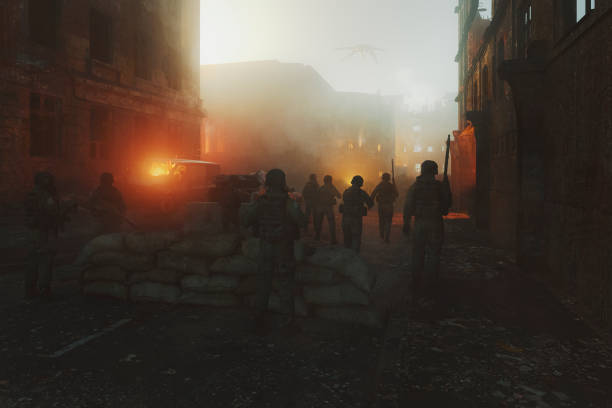
South Africans Trapped in the Russia-Ukraine conflict are urgently appealing for assistance after claiming they were recruited under false promises and later forced into dangerous frontline conditions. The men, reportedly brought to Russia for what they believed were security or support roles, now allege they are effectively stranded in a war zone with limited options for return. The situation has triggered growing calls for the South African government to intervene diplomatically.
According to multiple accounts, the recruits say they were not informed they would be placed near active combat areas. Families back home have described receiving distressing messages, prompting public concern and renewed debate over foreign recruitment practices involving South African citizens.
What Happened?
The controversy centers on South African nationals who traveled to Russia after being approached by recruiters promising lucrative work opportunities. Some recruits claim they were offered roles such as security guards, logistics staff, or site protection personnel, with assurances that they would not be directly involved in combat.
However, once in Russia or Russian-controlled territory, several individuals allege their circumstances changed dramatically. They say their travel documents were confiscated, movement was restricted, and they were assigned duties close to or within active conflict zones linked to the ongoing Russia-Ukraine war.
The men describe living conditions as harsh, with limited access to medical care, inadequate equipment, and minimal training. In audio messages and written statements shared with families and media outlets, they describe feeling abandoned and unable to return home without outside intervention.
Alleged Recruitment Links Raise Political Questions
Adding to the sensitivity of the issue are claims that the recruitment networks may have indirect links to politically connected individuals, including those associated with former president Jacob Zuma’s family. While no court ruling or official investigation has yet confirmed these allegations, their emergence has intensified public scrutiny.
Political analysts note that even unproven links can complicate South Africa’s diplomatic position. The country has maintained a policy of non-alignment regarding the Russia-Ukraine conflict, advocating dialogue and peaceful resolution rather than military involvement.
Opposition parties and civil society groups have called for transparency, demanding that authorities investigate whether illegal recruitment, deception, or human trafficking laws were violated.
Families Appeal for Government Intervention
Relatives of the affected men have publicly appealed to the Department of International Relations and Cooperation (DIRCO), urging officials to step in. Many families say they were unaware their loved ones were traveling into a conflict-linked environment and only learned the truth after receiving alarming messages.
Some family members report that communication has become sporadic, increasing fears for the men’s safety. Advocacy groups have begun coordinating legal advice and media outreach to keep the issue in the public eye.
Calls for intervention include:
- Diplomatic engagement with Russian authorities
- Verification of the men’s legal status and contracts
- Assistance through the South African embassy
- Safe repatriation where possible
What the South African Government Has Said
South African officials have acknowledged awareness of the situation but have emphasized the complexity of intervening when citizens voluntarily travel abroad. Government sources indicate that each case must be assessed individually to determine whether laws were broken and what diplomatic avenues are available.
DIRCO has previously warned South Africans against participating in foreign conflicts, noting that such involvement can expose individuals to serious legal and physical risks. Officials also stress that South Africa’s ability to intervene is limited when citizens enter another country under private contracts.
Nonetheless, pressure is mounting for clearer action, particularly if evidence emerges that the recruits were misled or coerced.
Legal and Diplomatic Challenges
Experts in international law say cases involving alleged mercenary recruitment are notoriously difficult to resolve. Russia’s legal framework, combined with wartime security measures, limits foreign governments’ access to citizens on the ground.
South African law prohibits mercenary activity without government authorization. If it is proven that recruiters knowingly misrepresented the nature of the work, criminal charges could follow domestically. However, investigations take time, and immediate relief for those already deployed remains uncertain.
Diplomatic analysts warn that overt pressure could strain relations, while inaction risks domestic backlash.
Public Reaction and Social Media Response
News of South Africans trapped near the frontlines has sparked widespread reaction online. Many South Africans have expressed sympathy for the men and their families, while others have questioned why individuals would accept overseas security work linked to an active conflict.
Hashtags calling for government action have trended intermittently, reflecting the emotional weight of the issue. Commentators have also highlighted broader unemployment challenges in South Africa, arguing that economic desperation makes citizens more vulnerable to risky overseas offers.
Broader Concerns Over Foreign Recruitment
The case has renewed attention on how private military and security recruitment operates across borders. Analysts warn that conflicts often attract recruitment networks targeting individuals from countries facing high unemployment.
Human rights organizations argue that stronger international cooperation is needed to regulate recruitment practices and protect workers from exploitation. They also urge governments to better educate citizens about the risks of foreign conflict-related employment.
What Happens Next?
Authorities are expected to continue gathering information to determine the scale of the problem and whether formal diplomatic engagement is required. Legal experts say any verified evidence of coercion or deception could significantly change the government’s response.
For now, families remain in a painful waiting period, hoping for confirmation that their loved ones can safely return home. As more details emerge, the issue is likely to remain under close media and political scrutiny.
Conclusion
The plight of South Africans Trapped in the Russia-Ukraine conflict highlights the human cost of opaque recruitment practices and the limits of government intervention abroad. As investigations continue, the situation raises urgent questions about accountability, protection of citizens, and the responsibilities of states in an increasingly complex global conflict environment.