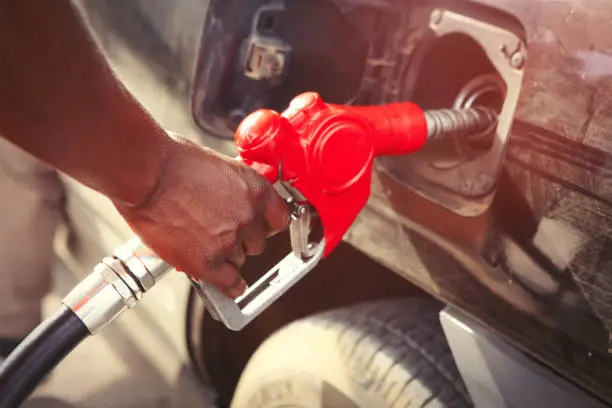
South Africa’s fuel price is set to fall sharply after authorities confirmed a R2.75 per litre reduction in petrol prices effective December 31, 2025, delivering one of the most significant decreases seen in recent years. The adjustment comes amid easing global oil prices and a stronger rand, offering much-needed relief to motorists, households, and businesses as the year draws to a close.
The reduction applies nationwide and follows the country’s regulated monthly fuel price review, which tracks international petroleum product prices and currency movements.
What Happened?
The Department of Mineral Resources and Energy confirmed that petrol prices will decline by R2.75 per litre following sustained reductions in international refined fuel prices. These changes, combined with favourable exchange rate movements, have significantly lowered fuel import costs for South Africa.
Fuel prices are adjusted monthly, and December’s review reflected a rare convergence of positive global and domestic factors that worked in favour of consumers
Why the Fuel Price Is Dropping
The fuel price decline is driven by several interconnected developments in global energy markets:
Lower International Oil Prices
Crude oil benchmarks softened over recent months as global supply improved. Major oil-producing countries maintained stable output while demand growth slowed in key economies, easing upward pressure on prices.
Stronger Rand Performance
The rand has shown relative strength against the US dollar, reducing the cost of importing fuel. Since petroleum products are priced internationally in dollars, even small currency gains can significantly affect the local fuel price.
Reduced Refining and Transport Costs
Global refining margins have narrowed, and shipping costs have stabilised compared to earlier volatility. These changes contributed to a lower Basic Fuel Price calculation for South Africa.
How Fuel Pricing Works in South Africa
South Africa’s fuel price is regulated and determined by a formula that includes:
- International petrol prices
- Rand-to-dollar exchange rate
- Shipping and insurance costs
- Storage and distribution expenses
- Government taxes and levies
In December’s adjustment, international price reductions outweighed local cost pressures, allowing the full benefit to flow through to consumers.
What the Fuel Price Cut Means for Motorists
For everyday drivers, the impact is immediate and measurable:
- A 50-litre tank will cost R137.50 less
- Monthly commuting expenses will decline
- Long-distance travel becomes more affordable
The reduction is expected to encourage increased mobility, particularly during the festive season and early 2026 travel period.
Household Budget Relief
Fuel costs influence far more than transport. Lower petrol prices can ease pressure on household budgets by reducing:
- School transport fees
- Grocery delivery costs
- Service call-out charges
For families already stretched by rising food and utility costs, the fuel price cut provides some financial breathing room.
Impact on Public Transport and Logistics
The transport sector is among the biggest beneficiaries of lower fuel prices. Taxi operators, bus companies, and logistics firms rely heavily on petrol and diesel to operate.
Industry analysts say the reduction could:
- Stabilise public transport fares
- Reduce pressure on freight costs
- Improve sustainability for small operators
While fare reductions are not guaranteed, the cut may prevent further increases in the short term.
Business and Economic Effects
Fuel is a key input cost across multiple industries. Lower fuel prices can help businesses by:
- Reducing operating expenses
- Supporting supply chain stability
- Limiting the need for price increases
Small and medium-sized enterprises, particularly those involved in delivery services, retail distribution, and field operations, are expected to feel the benefits most directly.
Inflation Outlook
Fuel prices play a major role in South Africa’s inflation basket. Economists suggest the fuel price drop could help moderate transport-related inflation, which has been a persistent driver of overall price increases.
While the reduction alone is unlikely to reverse broader inflation trends, it may slow the pace of price growth heading into early 2026.
Government and Industry Response
Officials have welcomed the reduction but cautioned that fuel prices remain volatile. They emphasised that future adjustments will depend on:
- Global oil supply decisions
- Geopolitical developments
- Currency market stability
Energy analysts warn that while the current fuel price drop is substantial, it may not signal a long-term downward trend.
Global Factors Still Pose Risks
Despite the positive adjustment, fuel markets remain sensitive to global disruptions. Potential risks include:
- Escalating geopolitical tensions
- Unexpected production cuts by oil exporters
- Sharp currency fluctuations
Any of these could quickly reverse recent gains.
What Happens Next?
Fuel prices will be reviewed again in early January 2026. Until then, motorists can expect immediate relief at the pumps as the new prices take effect on December 31.
For now, the fuel price reduction represents a rare and timely reprieve for South Africans, easing transport costs and offering modest economic relief as the year comes to an end.
Conclusion
The confirmed fuel price cut of R2.75 per litre provides timely relief for South Africans struggling with high transport and living costs. While global oil markets remain unpredictable, the current reduction offers immediate savings for motorists, businesses, and households alike. As the new prices take effect on December 31, attention will now turn to global trends and currency movements that will shape fuel price adjustments in the months ahead.