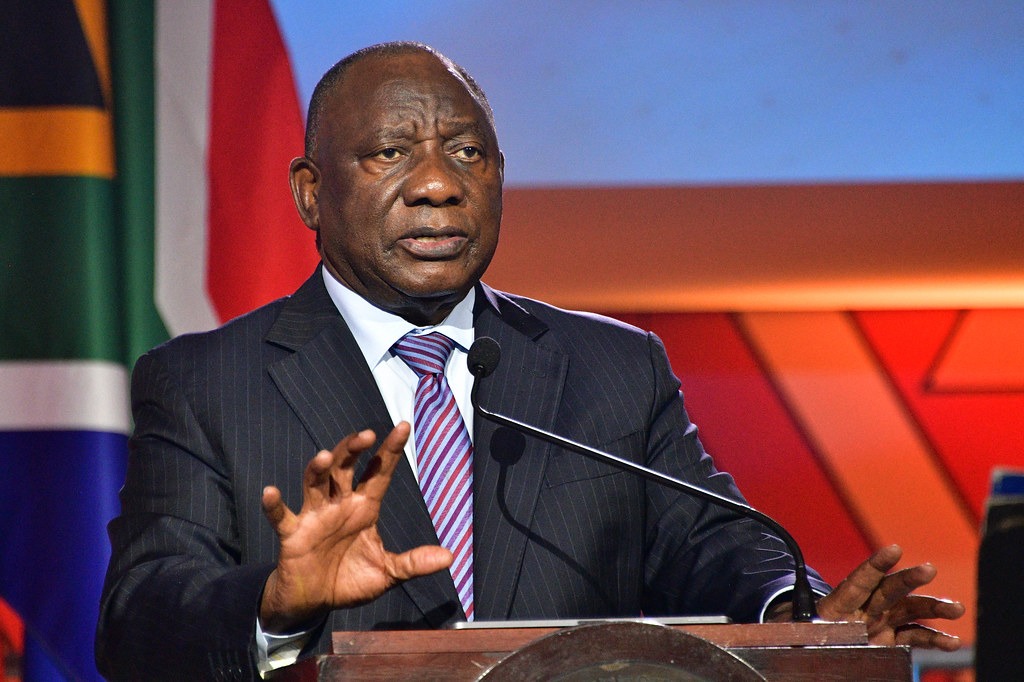
Andy Mothibi has been appointed as South Africa’s new National Director of Public Prosecutions (NDPP) by President Cyril Ramaphosa, with the appointment set to take effect on 1 February 2026. The announcement, confirmed by the Presidency, has come as a surprise within political and legal circles and marks a significant shift in the leadership of the National Prosecuting Authority (NPA).
The NDPP is one of the most powerful and sensitive positions in South Africa’s justice system, responsible for overseeing all criminal prosecutions on behalf of the state. Mothibi’s appointment places him at the centre of efforts to restore public confidence in law enforcement and accountability.
What Happened
President Ramaphosa exercised his constitutional authority to appoint Advocate Andy Mothibi following the conclusion of a selection process aimed at identifying a successor to outgoing NDPP Advocate Shamila Batohi, whose term is nearing its end.
An advisory panel, established to assess candidates for the role, conducted interviews with several shortlisted applicants. However, the panel reportedly did not recommend a preferred candidate. In terms of the Constitution, the final decision rests with the President, allowing Ramaphosa to proceed with the appointment despite the lack of consensus.
The Presidency described the decision as one taken in the best interests of the country and the criminal justice system.
Who Is Andy Mothibi?
Andy Mothibi is a senior advocate with decades of experience in South Africa’s legal and governance landscape. He currently serves as the Head of the Special Investigating Unit (SIU), a statutory body tasked with investigating serious corruption, maladministration, and the misuse of public funds within state institutions.
Before leading the SIU, Mothibi built a diverse legal career that includes:
- Serving as a public prosecutor
- Acting as a magistrate in Johannesburg and Soweto courts
- Holding senior legal and compliance roles in both public and private entities
His background combines courtroom experience with executive-level leadership, a profile that supporters say makes him well-suited to manage the complexities of the NPA.
Role of the National Director of Public Prosecutions
The NDPP heads the National Prosecuting Authority and has final authority over all state prosecutions. This includes decisions on:
- Whether to prosecute or withdraw charges
- Oversight of specialised prosecuting units
- Coordination with investigative agencies
The position is central to South Africa’s fight against corruption, organised crime, and serious economic offences. As such, any appointment to the role attracts intense public and political scrutiny.
Why the Appointment Matters
Andy Mothibi’s appointment comes at a time when the NPA faces sustained pressure to deliver results in long-running and high-profile cases, many of which stem from findings related to state capture and public sector corruption.
Public confidence in the justice system has been strained by:
- Delays in prosecutions
- High-profile case withdrawals
- Perceptions of political interference
Observers say the incoming NDPP will need to demonstrate independence, decisiveness, and transparency from the outset.
Reaction From Political Parties
Initial political reaction to Mothibi’s appointment has been mixed.
Some political parties and commentators have welcomed the move, pointing to his anti-corruption background and experience at the SIU. They argue that his understanding of investigative processes could strengthen coordination between investigators and prosecutors.
Other voices have raised concerns about the selection process, questioning whether the absence of a recommended candidate from the advisory panel could undermine public trust. Critics have called for greater transparency and parliamentary oversight to ensure the independence of the NPA is protected.
Concerns About Independence
The independence of the NDPP is a cornerstone of South Africa’s constitutional democracy. Civil society organisations have repeatedly warned that the prosecuting authority must operate free from political pressure.
Given Mothibi’s current role at the SIU — an entity that works closely with the executive — analysts say clear safeguards will be needed to avoid any perception of undue influence.
Legal experts stress that credibility will depend not on the appointment itself, but on the prosecutorial decisions that follow.
What the Presidency Said
In announcing the appointment, the Presidency said President Ramaphosa had full confidence in Andy Mothibi’s ability to:
- Uphold the Constitution
- Act without fear, favour, or prejudice
- Strengthen the effectiveness of the NPA
The statement emphasised that the President acted within his constitutional mandate and highlighted Mothibi’s record in public service.
Transition Period and Timeline
Although the appointment takes effect in February 2026, the early announcement allows for a structured transition period.
This period is expected to involve:
- Briefings on ongoing prosecutions
- Institutional handovers within the NPA
- Strategic planning with senior prosecutors
Outgoing NDPP Shamila Batohi is expected to remain in office until the end of her term, ensuring continuity during the transition.
Challenges Facing the New NDPP
When Andy Mothibi assumes office, he will face several immediate challenges, including:
- Addressing case backlogs
- Improving conviction rates in complex cases
- Restoring morale within the prosecuting service
Resource constraints and skills shortages within the NPA have also been identified as key issues requiring urgent attention.
What Happens Next
Attention will now shift to how Mothibi prepares for the role ahead of February 2026. Legal observers will closely watch:
- His public statements on prosecutorial priorities
- Engagement with civil society and oversight bodies
- Early signals on high-profile cases
The coming months are likely to shape expectations around his leadership style and strategic direction.
Conclusion
Andy Mothibi’s appointment as South Africa’s next NDPP marks a critical moment for the country’s justice system. As pressure mounts for accountability and effective prosecutions, his performance will be closely scrutinised by the public, political parties, and the legal community alike. Whether this surprise move strengthens confidence in the rule of law will become clear once he takes office in 2026.