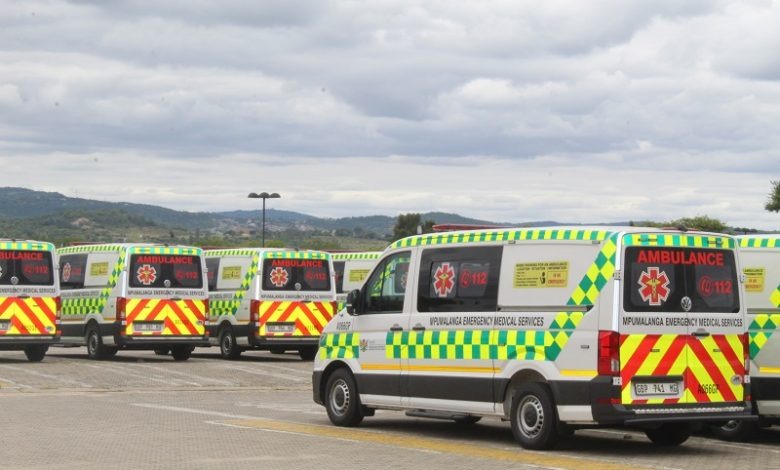
South Africa is facing a severe EMS shortage, with nearly 30% of public Emergency Medical Services positions unfilled. The shortage is placing immense pressure on healthcare services, particularly in responding to critical emergencies such as accidents, heart attacks, and other time-sensitive medical situations. Both urban and rural communities are feeling the impact, highlighting systemic gaps in staffing, training, and resource allocation. Health authorities warn that unless immediate action is taken, patient outcomes could continue to suffer.
What Happened?
The Department of Health has confirmed that almost one-third of EMS positions remain vacant across the country. These roles include paramedics, emergency care assistants, and operational support staff who are essential for efficient ambulance operations.
The shortage is not confined to one region. Rural areas face more severe delays due to fewer staff and longer distances between medical facilities, but even major cities are seeing strain as existing personnel handle increased workloads. Delayed emergency response times have already been reported in several provinces, raising public safety concerns.
Causes Behind the EMS Shortage
The current EMS shortage stems from multiple interconnected factors:
- High Stress Levels – EMS professionals often face long shifts, trauma exposure, and high-pressure situations that lead to burnout and resignations.
- Low Salaries – Public sector compensation often lags behind private healthcare, prompting staff to seek better-paying opportunities.
- Insufficient Recruitment – Training institutions cannot produce enough qualified EMS personnel to meet the growing demand.
- Private Sector Competition – Experienced EMS staff are frequently recruited by private hospitals and ambulance services.
- Retention Challenges – Lack of career progression, inadequate support, and challenging working conditions contribute to staff turnover.
These issues create a cycle where vacancies increase workload for remaining staff, accelerating resignations and further worsening the shortage.
Impact on Healthcare and Public Safety
The EMS shortage directly affects emergency healthcare delivery and patient safety.
- Longer Response Times – Ambulances may take longer to reach patients, particularly in remote or rural areas.
- Overburdened Personnel – Existing EMS staff are working extended hours, increasing fatigue and risk of mistakes.
- Patient Outcomes – Delays can be fatal for critical cases such as cardiac arrests, severe trauma, or accidents.
- Systemic Strain – Hospitals and emergency units face higher pressure when patients arrive later than expected or in worsened condition.
Communities have reported delays in ambulance arrivals and longer waiting times, fueling public frustration and highlighting the urgent need for staffing solutions.
Official Statements and Government Response
Health authorities have publicly acknowledged the EMS shortage and its impact. Dr. Thabo Mokoena, spokesperson for the National Department of Health, emphasized:
“We recognize the challenges posed by vacancies in our EMS system. Recruitment and retention strategies are being implemented to strengthen emergency response across the country.”
Provincial health departments are considering temporary measures, such as using contract workers and overtime shifts to manage immediate demand. However, experts warn that long-term solutions will require sustained investments in training, retention, and workforce incentives.
Social Reaction and Public Concern
The public has voiced increasing concern over the EMS shortage, particularly on social media and community forums. Citizens are sharing stories of delayed ambulance responses, underlining the risks posed to vulnerable populations. Advocacy groups and local leaders are urging:
- Accelerated recruitment campaigns for EMS personnel.
- Better working conditions, competitive salaries, and career growth opportunities.
- Greater investment in EMS infrastructure, especially in under-served regions.
Communities emphasize the urgent need for transparency and timelines for filling vacancies and improving emergency services.
Potential Solutions and Next Steps
Health authorities and policymakers are exploring several strategies to address the EMS shortage:
- Recruitment Drive Expansion – Training more paramedics, emergency care assistants, and support staff.
- Retention Strategies – Offering incentives, hazard pay, career advancement, and improved work-life balance.
- Technological Enhancements – Using GPS and dispatch software to optimize ambulance deployment despite staff shortages.
- Temporary Measures – Engaging retired EMS personnel, volunteers, or contract staff to bridge short-term gaps.
- Infrastructure Investment – Upgrading ambulance services, facilities, and equipment to support remaining staff.
Experts emphasize that solutions must be multi-pronged, addressing both immediate staffing gaps and systemic challenges in the EMS sector.
Challenges Ahead
While strategies are being discussed and implemented, several challenges remain:
- Training Capacity – Current EMS training institutions may not meet the required intake to fill vacancies rapidly.
- Retention Complexity – Stress, low pay, and high demands make retaining staff difficult.
- Rural Coverage – Filling positions in remote areas is harder, prolonging emergency response times.
- Funding Constraints – Budget limitations can slow down recruitment, retention, and resource allocation.
Addressing these challenges requires coordinated action from government, healthcare authorities, and local communities to ensure emergency services meet the nation’s needs.
Future Outlook
If the EMS shortage is not resolved, the country risks worsening emergency response times, increased fatalities, and reduced public confidence in healthcare services. However, with focused recruitment, retention initiatives, technological upgrades, and infrastructure investments, South Africa can stabilize its EMS workforce and improve emergency healthcare outcomes.
Continued public pressure and advocacy will play a key role in ensuring that authorities prioritize EMS staffing and prevent further deterioration of emergency medical services.
Conclusion
The EMS shortage in South Africa—with nearly 30% of positions vacant—is a pressing national concern impacting emergency medical response and public safety. The shortage has caused delayed ambulance response times, overworked personnel, and risks to patient outcomes, particularly in rural areas.
Addressing the issue requires immediate recruitment drives, better retention strategies, technological improvements, and long-term infrastructure investment. Public advocacy and government transparency are also critical to ensuring sustainable improvements.
By tackling these challenges, South Africa can stabilize its EMS workforce, reduce the burden on healthcare systems, and ensure timely emergency medical care for all citizens. The situation underscores the importance of prioritizing emergency services as a cornerstone of national health and safety.