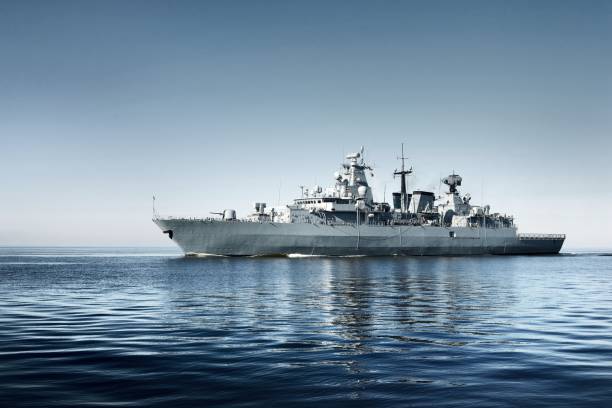
BRICS Naval drills involving China, Russia, and Iran officially began in South Africa on January 9, placing Pretoria at the center of renewed geopolitical attention as the United States and its allies closely monitor the exercise.
The joint maritime drills, titled “Will for Peace 2026,” are being held off the coast of Cape Town and Simon’s Town, one of South Africa’s most strategically significant naval bases. The exercise will continue until January 16 and includes coordinated naval maneuvers, maritime security operations, and joint training activities.
South African officials have rejected claims that the exercise signals a political shift, insisting the drills are routine and consistent with the country’s long-standing non-aligned foreign policy.
What Is the BRICS Naval Exercise “Will for Peace 2026”?
The BRICS Naval exercise is a multinational maritime operation hosted by South Africa, with participating warships and naval personnel from China, Russia, and Iran. While BRICS is primarily known as an economic grouping, the drill highlights expanding security cooperation among some of its members and partners.
According to the South African National Defence Force (SANDF), the exercise focuses on:
- Maritime security coordination
- Search-and-rescue simulations
- Tactical communications at sea
- Joint naval maneuvering and formations
Officials stressed that the activities are defensive, transparent, and conducted in accordance with international maritime law.
Why the Exercise Has Drawn International Attention
The participation of Russia and Iran, both subject to extensive Western sanctions, has raised concerns in Washington and among NATO-aligned countries. US officials have previously questioned South Africa’s military engagements with Moscow, particularly following Russia’s invasion of Ukraine.
Analysts say the BRICS Naval drills are being closely watched because they reflect broader shifts in global power dynamics, where non-Western states are increasingly cooperating outside traditional Western-led security frameworks.
Although the United States has not issued a formal statement since the drills began, diplomatic sources say the situation is under active review.
South Africa Rejects External Pressure
Deputy Defence Minister Bantu Holomisa moved quickly to downplay criticism, emphasizing South Africa’s sovereign right to determine its own defense partnerships.
Speaking to local media, Holomisa said South Africa regularly conducts military exercises with a wide range of countries, including Western nations, and that the current BRICS Naval drill should not be viewed through a political lens.
“We are an independent country,” Holomisa said. “These exercises are about maritime safety, skills development, and cooperation, not alignment with any bloc.”
Strategic Importance of Cape Town and Simon’s Town
The Simon’s Town Naval Base, where several participating vessels docked, is one of the most strategically located naval facilities in the Southern Hemisphere. It sits along vital global shipping routes linking the Atlantic and Indian Oceans.
Security experts say hosting BRICS Naval drills at this location amplifies South Africa’s role as a key maritime player and increases the exercise’s visibility on the global stage.
The waters surrounding South Africa are critical for international trade, making maritime security cooperation a long-standing national priority.
China, Russia, and Iran Deepen Naval Cooperation
For China, participation in the exercise offers an opportunity to strengthen naval ties in Africa and demonstrate long-range operational capabilities. Russia continues to use joint drills to maintain a visible global military presence despite diplomatic isolation.
Iran’s involvement is particularly notable, as it reflects Tehran’s expanding naval diplomacy beyond the Middle East. Analysts say Iran’s participation in the BRICS Naval exercise signals resilience and an effort to counter strategic isolation.
Together, the three countries represent a growing network of military cooperation outside Western alliances.
Domestic Debate Inside South Africa
The exercise has sparked debate within South Africa. Supporters argue that hosting the BRICS Naval drills reinforces national sovereignty and reflects the country’s independent foreign policy tradition.
Critics, including opposition parties and civil society groups, warn that closer military cooperation with sanctioned states could strain relations with major Western trading partners.
Government officials insist the exercise does not breach any international obligations and serves South Africa’s long-term security interests.
What the Exercise Signals About Global Power Shifts
Security analysts say the BRICS Naval drills underscore the gradual emergence of a multipolar world order, where military cooperation is no longer dominated by a single alliance.
Rather than forming a formal military bloc, BRICS-related exercises allow participating nations to collaborate flexibly while avoiding binding commitments. This approach, experts say, is increasingly attractive to countries seeking strategic autonomy.
The drills also highlight how military exercises are now used as diplomatic signals as much as training operations.
What Happens After January 16
The exercise is scheduled to conclude on January 16, after which participating warships are expected to depart South African waters. SANDF officials say a post-exercise assessment will evaluate operational outcomes and identify areas for future cooperation.
While diplomatic scrutiny is likely to continue, South Africa has indicated it will not alter its defense policy in response to external pressure.
Conclusion
The BRICS Naval exercise “Will for Peace 2026” places South Africa at the center of a complex geopolitical moment, balancing its commitment to non-alignment with intensifying global rivalries. By hosting China, Russia, and Iran, Pretoria has reaffirmed its sovereign right to pursue diversified defense partnerships, even as Western nations express concern.
As global power structures continue to shift, the exercise highlights how military cooperation is evolving beyond traditional alliances. Whether viewed as routine training or strategic signaling, the BRICS Naval drills reflect a world where influence is increasingly shared—and contested—on multiple fronts.