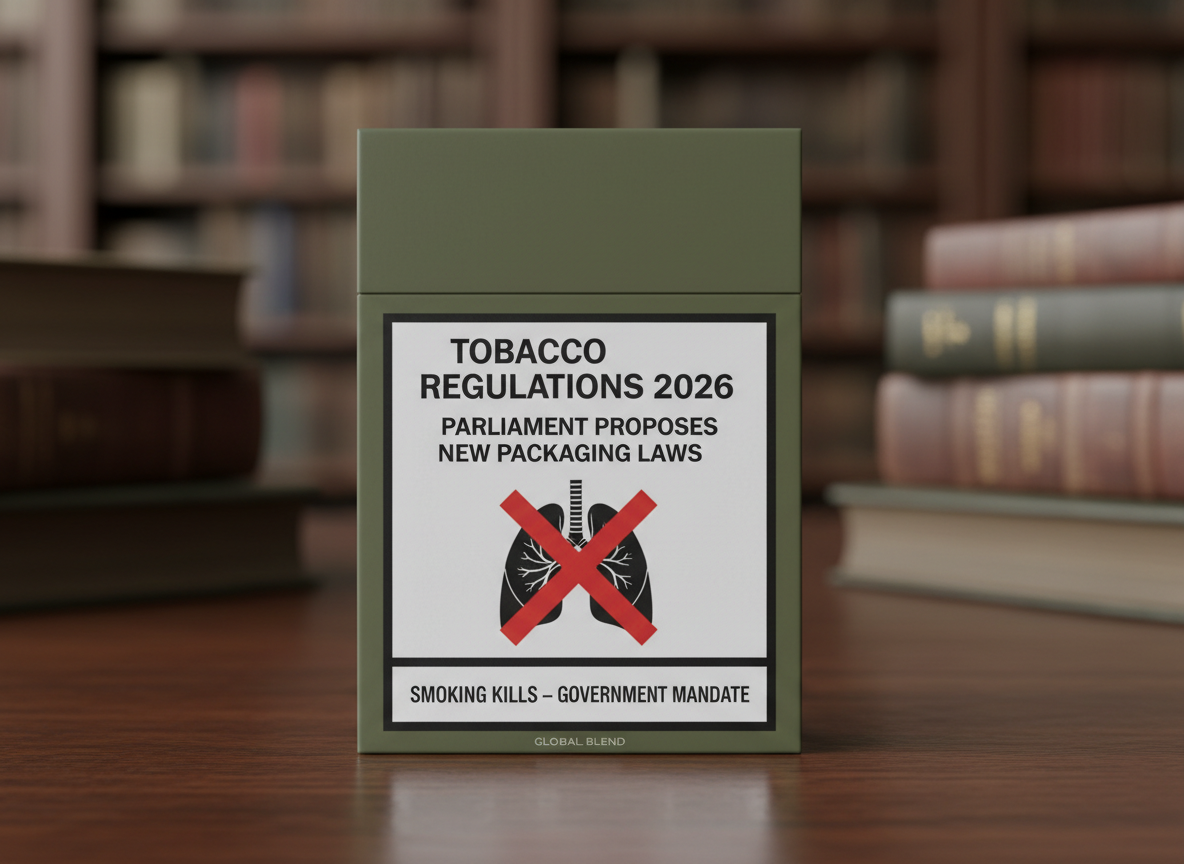
Tobacco regulations are set to change in South Africa as Parliament considers new legislation that could make standardised packaging mandatory for all tobacco brands. The proposed rules aim to reduce smoking rates, limit marketing to minors, and improve public health outcomes nationwide. Health experts say these measures follow successful models in countries like Australia and the UK, where similar regulations significantly reduced tobacco consumption.
What the Proposed Tobacco Regulations Include
The new tobacco regulations would standardize packaging for cigarettes and other tobacco products. Key measures include:
- Plain packaging in muted colors with no brand logos
- Graphic health warnings covering at least 75% of packaging
- Standard font types and sizes for brand names
- Restrictions on promotional offers and discounts
The Department of Health emphasizes that the regulations are designed to make tobacco products less appealing, particularly to young people. Research shows that standardized packaging reduces brand recognition and can contribute to lower smoking initiation rates.
Official Statements from Parliament and Health Authorities
Parliamentary spokesperson, Nomsa Dlamini, stated:
“These tobacco regulations are part of our ongoing efforts to protect the health of South Africans. Standardised packaging will help reduce smoking rates and save lives.”
Dr. Thabo Mokoena, public health expert, added:
“Evidence from countries implementing plain packaging shows measurable declines in smoking prevalence. South Africa is taking a proactive step for the health of future generations.”
The Minister of Health confirmed that consultations with tobacco companies and public stakeholders are ongoing to finalize the legal framework.
Public Reaction and Stakeholder Opinions
Public opinion is mixed. Health advocacy groups, such as Cancer Association of South Africa (CANSA), support the new regulations. CANSA spokesperson, Lindiwe Mahlangu, said:
“Standardised packaging is critical to prevent children from starting smoking. It’s a necessary public health intervention.”
Conversely, the tobacco industry argues that tobacco regulations may negatively impact businesses and could lead to a rise in illicit trade. Philip Morris South Africa released a statement saying:
“While we support public health goals, plain packaging could increase illegal cigarette sales and hurt lawful retailers.”
Social media users have also weighed in, with hashtags like #PlainPackagingSA trending as South Africans debate the pros and cons.
How Other Countries Have Implemented Similar Measures
Countries like Australia, the United Kingdom, and France have successfully implemented plain packaging laws. In Australia, cigarette consumption fell by nearly 10% in the first two years after introducing standardized packaging.
Experts believe South Africa could achieve similar public health gains. Dr. Mokoena noted:
“Adopting plain packaging aligns South Africa with global best practices in tobacco control.”
Timeline and Next Steps for the Tobacco Regulations
Parliament plans to:
- Finalize consultations with stakeholders by March 2026
- Publish the draft legislation for public comment
- Implement the new rules nationwide by January 2027
Health authorities will monitor compliance and provide guidelines for retailers and manufacturers. Educational campaigns are expected to accompany the rollout to inform citizens about the new regulations.
Potential Impacts on Public Health and Economy
The proposed tobacco regulations aim to:
- Reduce smoking prevalence
- Lower rates of tobacco-related diseases like lung cancer, heart disease, and COPD
- Encourage smokers to quit
Economically, there are concerns about job losses in the tobacco retail sector and a potential increase in illicit tobacco trade. Authorities plan to address these risks through enforcement and awareness campaigns.
Expert Opinions on Effectiveness
Global public health experts stress that packaging alone is not enough; it should be paired with other measures:
- Increased tobacco taxes
- Smoking cessation programs
- Public education campaigns
“Tobacco regulations combined with taxation and awareness programs have the highest success rates,” said Dr. Mokoena.
What Happens Next
As Tobacco Regulations move through Parliament, the public and stakeholders are encouraged to participate in consultations. The law, once enacted, will require manufacturers to comply strictly with standardized packaging. Failure to comply could result in fines, penalties, and product seizures.
The Department of Health will release further updates as the process advances. Meanwhile, South Africans are urged to stay informed about the upcoming changes and their implications.
Conclusion
The proposed Tobacco Regulations 2026 represent a significant shift in South Africa’s approach to public health. By mandating standardised packaging, Parliament aims to curb smoking rates, protect young people, and align the country with global best practices. While challenges remain, including potential economic impacts and illicit trade concerns, health experts agree that these measures could save thousands of lives in the long term.