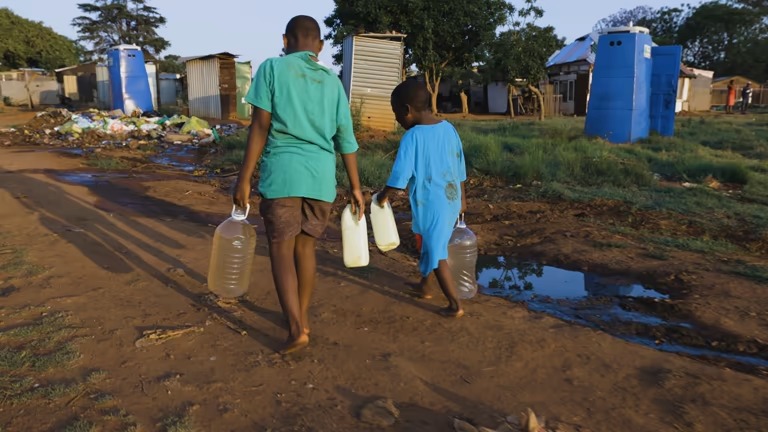
Water Restrictions were significantly tightened across Cape Town on Tuesday after city authorities confirmed that worsening drought conditions have pushed key dam levels well below seasonal averages. The new measures, announced by the City of Cape Town, aim to curb water consumption as officials warn that continued overuse could threaten supply stability in the coming months.
The announcement follows weeks of limited rainfall across the Western Cape, traditionally the region’s main water recharge period. Officials stressed that immediate public cooperation is essential to prevent a deeper crisis and avoid a repeat of the city’s near-disastrous “Day Zero” experience, when taps were at risk of running dry.
What Happened?
Cape Town’s water authorities confirmed that an updated assessment of the Western Cape Water Supply System showed a sharp decline in combined dam storage levels. With inflows failing to recover at the expected pace, the city implemented stricter Water Restrictions effective immediately.
Under the updated restrictions:
- Daily household water consumption limits have been lowered
- Outdoor watering, including lawns and gardens, is severely restricted
- Washing vehicles with municipal water is prohibited
- Commercial users face tighter compliance monitoring
- Higher tariffs apply to excessive water use
Officials said enforcement measures will be increased to ensure compliance across residential, commercial, and industrial sectors.
Why Dam Levels Are Falling
According to municipal data, rainfall across key catchment areas has been both inconsistent and below long-term averages. Winter rainfall, which typically replenishes Cape Town’s dams, has failed to meet projected targets, leaving reserves under pressure.
Climate specialists note that rising temperatures are accelerating evaporation rates, further reducing available surface water. Combined with population growth and urban expansion, the city’s water demand continues to outpace natural replenishment during dry periods.
Climate Change and Long-Term Risk
Environmental experts say the current Water Restrictions highlight the growing impact of climate change on South Africa’s water security. The Western Cape has experienced increasingly frequent dry cycles over the past decade, reducing recovery time between droughts.
Hydrologists warn that reliance on rainfall-dependent systems leaves cities vulnerable to climate volatility. Without sustained investment in alternative water sources, urban centers like Cape Town may face recurring shortages.
Official Statements
City officials emphasized that the restrictions are preventative rather than reactive but warned that further measures remain possible.
“These Water Restrictions are necessary to protect the remaining supply and ensure fair access for all residents,” a senior city official said. “If consumption does not drop to target levels, additional restrictions may be required.”
National authorities echoed the warning, urging municipalities across South Africa to strengthen water resilience strategies as climate pressures intensify.
Impact on Residents
For households, the restrictions mean stricter limits on daily water use and lifestyle adjustments such as shorter showers and reduced outdoor cleaning. Residents are encouraged to fix leaks promptly and install water-saving devices where possible.
The city has increased public awareness campaigns to educate residents on practical conservation steps, emphasizing that collective action can significantly reduce overall consumption.
Business and Economic Effects
Businesses operating in water-intensive sectors are expected to feel the impact of the tighter Water Restrictions. Hospitality, manufacturing, and agriculture face increased operational challenges, particularly during peak demand periods.
Farmers in surrounding regions have expressed concern that reduced water allocations could affect crop production, potentially influencing food prices and supply chains nationally.
Lessons From the Past
Cape Town’s previous water emergency remains a defining moment in the city’s recent history. During that period, aggressive conservation efforts helped avert total system failure, demonstrating the effectiveness of coordinated public response.
Officials say those lessons are shaping the current approach, with earlier intervention aimed at preventing panic measures later.
Public Reaction
Public response to the announcement has been mixed. Many residents have voiced support for conservation efforts, acknowledging the seriousness of the situation. Others questioned whether authorities acted quickly enough to prevent the need for stricter Water Restrictions.
On social media, discussions focused on accountability, long-term planning, and the need for sustainable infrastructure investment.
Water Augmentation Projects
City authorities confirmed that long-term water augmentation projects are continuing alongside the restrictions. These include:
- Groundwater extraction from aquifers
- Expansion of water recycling facilities
- Ongoing desalination initiatives
While these projects are expected to improve resilience, officials caution that they cannot replace the immediate need for reduced consumption.
What Happens Next?
Water usage will be monitored daily, with weekly assessments guiding potential adjustments to restriction levels. Authorities said the restrictions will remain in place until dam levels recover sufficiently and consumption stabilizes.
Residents are urged to remain vigilant, as even modest increases in usage could undermine conservation efforts during this critical period.
Conclusion
As Water Restrictions intensify, Cape Town once again faces a defining test of its ability to manage limited resources under increasing climate pressure. The coming months will determine whether early intervention, public cooperation, and long-term planning can stabilize the city’s water supply—or whether more severe measures lie ahead.