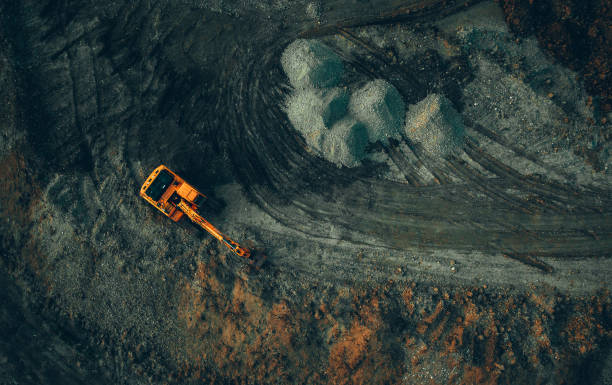
Lithium Mining is set to redefine South Africa’s economic and industrial landscape after global mining giant Anglo American confirmed the discovery of vast lithium deposits in the Northern Cape, a development expected to create up to 10,000 jobs and position the country as a key player in the global electric vehicle battery market.
The announcement marks one of the most significant mineral discoveries in recent years and comes at a time when global demand for lithium is accelerating rapidly due to the worldwide shift toward clean energy and electric mobility. Industry analysts say the find could fundamentally reshape South Africa’s mining sector, traditionally dominated by gold, coal, and platinum group metals.
What Happened in the Northern Cape
Anglo American revealed that extensive exploration activities in the Northern Cape uncovered lithium-bearing formations with strong commercial potential. Preliminary geological assessments suggest the deposits are large enough to support long-term mining operations, with production lifespans potentially extending several decades.
The company confirmed that advanced feasibility studies are now underway to determine extraction methods, infrastructure requirements, and environmental considerations. While no final production date has been announced, industry experts estimate that mining operations could begin within the next three to five years, subject to regulatory approvals.
Why Lithium Mining Is Strategically Important
Lithium has emerged as one of the most critical minerals of the 21st century. It is a key component in lithium-ion batteries used in electric vehicles, renewable energy storage systems, smartphones, and other modern technologies.
As governments around the world push to reduce carbon emissions, demand for electric vehicles continues to surge. This has placed enormous pressure on global lithium supply chains, driving prices higher and increasing competition among nations to secure reliable sources.
For South Africa, lithium mining offers an opportunity to align its mineral wealth with global clean-energy trends while reducing dependence on declining fossil-fuel markets.
Economic Impact and Job Creation
One of the most immediate benefits of the lithium mining project is its projected employment impact. Anglo American estimates the development could generate approximately 10,000 direct and indirect jobs across various stages of the project.
Direct employment is expected in mining operations, geological surveying, engineering, environmental management, and processing facilities. Indirect jobs will likely emerge in logistics, construction, equipment supply, catering, security, and other support services.
The Northern Cape, which has long struggled with high unemployment and limited industrial activity, stands to gain significantly from sustained investment linked to lithium mining.
Boost for Local Communities
Provincial and local government officials welcomed the announcement, describing it as a potential catalyst for long-term economic development. Mining-related infrastructure such as roads, power supply, and water systems could also benefit surrounding communities.
Anglo American stated that community engagement would be a priority, with plans to involve local suppliers and invest in skills development programs aimed at ensuring residents benefit directly from the project.
Strengthening South Africa’s Mining Sector
South Africa’s mining industry has faced mounting challenges in recent years, including aging infrastructure, energy supply constraints, and fluctuating commodity prices. Lithium mining offers a chance to diversify the sector and future-proof it against global energy transitions.
Unlike coal and other carbon-intensive resources, lithium supports decarbonization efforts, making it more attractive to international investors focused on environmental, social, and governance (ESG) standards.
Mining analysts say lithium could become one of South Africa’s most valuable mineral exports over the next decade if managed effectively.
Positioning South Africa in the EV Battery Supply Chain
Beyond mining, the discovery opens the door to downstream industries such as lithium processing and electric vehicle battery manufacturing. Government officials have repeatedly emphasized the importance of moving beyond raw material exports toward local value addition.
If South Africa develops lithium refining and battery precursor facilities, it could become a regional hub for EV battery production, supplying both domestic manufacturers and international markets.
Such integration would significantly increase economic returns while supporting the country’s industrialization goals.
Environmental and Regulatory Considerations
While lithium mining supports clean-energy technologies, it also presents environmental challenges. Water usage, land disturbance, and waste management will be closely scrutinized during the approval process.
Anglo American confirmed that comprehensive environmental impact assessments are being conducted in line with South African regulations. The company pledged to adopt responsible mining practices, including land rehabilitation, water conservation strategies, and reduced carbon emissions through the use of renewable energy at mining sites.
Environmental groups have called for transparency and public consultation to ensure that development balances economic benefits with ecological protection.
Investor and Market Reaction
The announcement has sparked interest among both local and international investors seeking exposure to battery metals. Global markets have shown strong appetite for lithium-related assets as demand continues to outpace supply.
Industry experts believe the discovery could trigger further exploration activity in the Northern Cape and neighboring regions, potentially revealing additional critical mineral resources.
Government and Policy Implications
The lithium discovery aligns with South Africa’s broader policy objectives, including the transition to a green economy, job creation, and industrial diversification. Policymakers are expected to prioritize supportive regulatory frameworks to attract investment while ensuring fair benefit-sharing.
The project could also strengthen South Africa’s negotiating position in international trade discussions related to electric vehicles and renewable energy technologies.
What Happens Next
The next phase of the project will involve detailed feasibility studies, environmental approvals, and stakeholder consultations. Infrastructure planning and financing decisions will determine the final development timeline.
If successful, lithium mining in the Northern Cape could mark the beginning of a new chapter for South Africa’s mining sector—one defined not by legacy resources, but by minerals that power the future.
Conclusion
The lithium mining discovery in South Africa’s Northern Cape represents more than a new resource find—it signals a potential shift in the country’s economic and industrial trajectory. With global demand for battery minerals accelerating, the project offers South Africa a rare opportunity to align its mining sector with future-focused industries such as electric vehicles and renewable energy storage.
If managed responsibly, the development could deliver long-term benefits through job creation, infrastructure growth, and increased participation in global clean-energy supply chains. As feasibility studies and regulatory processes continue, the Northern Cape lithium project will be closely watched as a test case for how South Africa balances economic opportunity with environmental and social responsibility in the energy transition era.