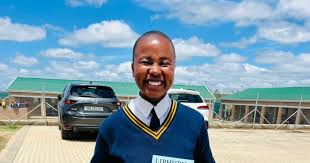
Dutywa, South Africa — IsiXhosa Book author Akahlulwa Ncokazi, a 16-year-old pupil from the rural village of Qorha near Dutywa in the Eastern Cape, has officially published her debut title, “LIPHUPHA LAM ELI,” released in January. The teenager’s achievement is drawing attention across South Africa as a remarkable example of youth talent, rural resilience, and the growing importance of indigenous language literature.
At an age when many learners are still discovering their passions, Ncokazi has already entered the country’s literary space — a milestone that highlights both personal determination and the cultural value of writing in isiXhosa.
What Happened?
Akahlulwa Ncokazi, currently a high school learner in the Dutywa area, published her first IsiXhosa Book earlier this year. Titled “LIPHUPHA LAM ELI,” which translates to “This Is My Dream,” the book reflects themes of ambition, perseverance, and hope.
The book was officially released in January, marking the culmination of months of writing, editing, and preparation. According to community members, Ncokazi balanced her academic responsibilities with her passion for storytelling — a task that required discipline and time management.
Her debut publication places her among a small but growing number of teenage authors in South Africa who are contributing to literature in indigenous languages.
A Rural Story of Determination
Ncokazi comes from Qorha, a rural village near Dutywa in the Eastern Cape — a province known for its deep cultural heritage and strong isiXhosa roots. However, rural communities often face limited access to publishing platforms, creative writing mentorship, and literary networks.
That context makes this IsiXhosa Book publication especially significant.
Education advocates note that learners in rural areas frequently encounter barriers such as limited library resources, fewer extracurricular writing programs, and financial constraints. For a 16-year-old pupil to successfully publish a book despite these challenges sends a powerful message to other young people in similar communities.
Local residents have described her accomplishment as a source of pride, not only for her family but for the entire Dutywa community.
Promoting Indigenous Language Literature
South Africa has 11 official languages, yet much of the country’s commercial publishing industry remains dominated by English and Afrikaans titles. The release of a new IsiXhosa Book by a young author contributes to ongoing efforts to strengthen indigenous language literature.
Language preservation experts have repeatedly emphasized the importance of encouraging young writers to create content in their mother tongues. Writing in isiXhosa:
- Strengthens cultural identity
- Encourages reading among first-language speakers
- Expands available literature for schools
- Preserves oral storytelling traditions in written form
By choosing to write and publish in isiXhosa, Ncokazi is helping to broaden representation within South Africa’s literary landscape.
Her book’s title, “LIPHUPHA LAM ELI,” signals a deeply personal narrative — one rooted in dreams and aspirations that resonate strongly with young readers.
Youth Achievement in South Africa
Teen authors are relatively rare in mainstream publishing, making this IsiXhosa Book launch particularly noteworthy.
Publishing a book at 16 requires:
- Strong writing skills
- Emotional maturity
- Long-term commitment to a project
- Confidence to share one’s voice publicly
Educational experts often stress the importance of encouraging creative expression in schools. When learners see peers achieving success in writing, it fosters a culture of literacy and ambition.
In South Africa, where youth unemployment and socio-economic challenges remain pressing concerns, stories like Ncokazi’s offer a positive counter-narrative — one centered on creativity, education, and achievement.
Community Reaction
Residents in and around Dutywa have reportedly welcomed the news with enthusiasm. Community pride plays a significant role in rural success stories, where achievements are often celebrated collectively.
Teachers and fellow learners have also expressed admiration for Ncokazi’s discipline and focus. For many young pupils, seeing a peer publish an IsiXhosa Book makes the idea of becoming an author feel attainable.
Social conversations in the region have highlighted the inspirational aspect of her journey. Parents have pointed to her story as an example of how learners can pursue academic excellence while nurturing creative talents.
The Importance of Early Literary Exposure
Experts in child development note that early engagement with reading and writing significantly increases long-term academic success. When teenagers publish books, they not only demonstrate personal growth but also help normalize intellectual ambition among peers.
An IsiXhosa Book written by a young person can resonate strongly with teenage readers because it reflects their lived experiences more directly than adult-authored texts.
Representation matters in literature. Young readers are more likely to connect with characters, themes, and language that mirror their realities. Ncokazi’s work potentially fills that gap within isiXhosa youth literature.
Challenges Facing Young Authors
Despite the celebration surrounding this achievement, the journey to publication is rarely simple — particularly for young writers in rural areas.
Common challenges include:
- Limited access to publishing houses
- Financial constraints
- Editing and production costs
- Distribution networks
- Marketing exposure
The successful release of this IsiXhosa Book suggests determination and strong support systems behind the scenes. It also highlights the need for more structured platforms that help nurture emerging writers from underserved communities.
Industry stakeholders have increasingly called for expanded investment in indigenous language publishing to ensure that more voices like Ncokazi’s are heard.
What This Means for Dutywa
Dutywa, located in the Eastern Cape, has produced notable figures in politics, education, and culture over the years. The addition of a teenage published author to that legacy reinforces the town’s contribution to South Africa’s broader narrative.
Local schools may benefit from this development by using Ncokazi’s IsiXhosa Book as motivational material during assemblies, reading campaigns, and literacy programs.
Stories of local success often create ripple effects. Younger learners may now see writing not only as a classroom task but as a viable path for creative and personal achievement.
A Growing Trend in Indigenous Publishing
Across South Africa, there has been a renewed push to strengthen indigenous language content in media, education, and publishing. Government bodies and cultural organizations have emphasized the importance of protecting linguistic diversity.
An increase in new IsiXhosa Book releases — especially by young writers — aligns with these broader cultural objectives.
Publishing experts note that digital platforms and self-publishing models have also opened new doors for emerging authors, reducing traditional barriers to entry. This evolving publishing landscape may encourage more rural youth to explore storytelling.
What Happens Next?
While “LIPHUPHA LAM ELI” marks her debut, readers and supporters will likely watch closely to see whether Ncokazi continues her writing journey.
Young authors who publish early often go on to:
- Participate in literary festivals
- Speak at schools and youth events
- Inspire mentorship initiatives
- Expand into additional genres
If properly supported, her success with this IsiXhosa Book could serve as the foundation for a long-term literary career.
Conclusion
The publication of an IsiXhosa Book by 16-year-old Akahlulwa Ncokazi is more than a personal milestone — it is a story of rural determination, youth empowerment, and cultural preservation in South Africa.
From Qorha village near Dutywa to the broader Eastern Cape community, her achievement stands as a reminder that talent can emerge from any corner of the country. By choosing to write in isiXhosa, Ncokazi strengthens indigenous language literature while inspiring fellow learners to pursue their dreams boldly.
As South Africa continues to champion education, literacy, and cultural identity, stories like this highlight the powerful role young voices can play in shaping the nation’s future — one book at a time.