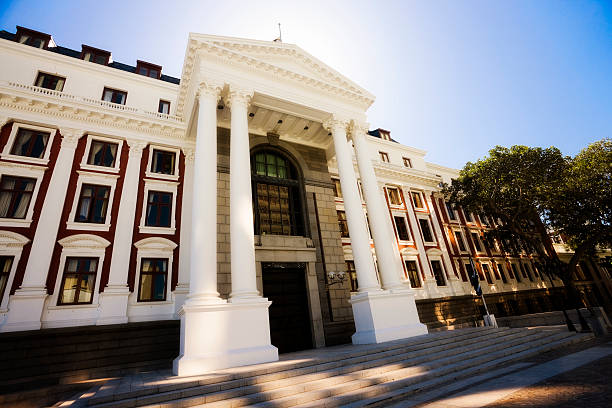
The Parliament rebuild in South Africa is progressing steadily, with officials confirming that the reconstruction will be completed by December 2026. Secretary to Parliament Xolile George assured lawmakers and the public that the 2027 State of the Nation Address (SONA) will take place in the fully refurbished National Assembly building, marking a major milestone in South Africa’s legislative infrastructure.
The massive reconstruction project, which carries a total cost of R4.6 billion, reflects both the government’s commitment to modernizing the parliamentary facilities and addressing long-standing infrastructural challenges. The refurbishment aims not only to restore the historical architecture but also to equip the building with modern facilities for lawmakers, media, and the public.
What Happened?
The reconstruction of South Africa’s Parliament is part of a larger initiative to improve the safety, efficiency, and functionality of the country’s legislative complex. Construction began several years ago, and the R4.6 billion investment covers structural repairs, electrical and plumbing upgrades, as well as aesthetic improvements to the National Assembly chamber.
According to Secretary Xolile George, the project is on schedule and no significant delays are expected, ensuring the 2027 SONA will be held in the refurbished space. George stated, “We are fully committed to completing the Parliament rebuild by December 2026. This will allow the National Assembly to host the State of the Nation Address in a modern, safe, and dignified setting.”
The timing of the completion is crucial, as the SONA is one of the most important political events in South Africa, drawing attention from citizens, media, and international observers.
Official Statements
Xolile George, speaking at a press briefing, emphasized the significance of the Parliament rebuild:
“The National Assembly is a symbol of democracy in South Africa. Our reconstruction project ensures that legislators and staff have a safe and functional space. The 2027 SONA will be the first major event in the refurbished building, showcasing our progress.”
Government officials have also noted that the R4.6 billion investment will generate jobs, with hundreds of construction workers, engineers, and architects employed throughout the project’s duration.
A spokesperson for the Department of Public Works added that the rebuild includes modern technology installations such as enhanced audio-visual systems, upgraded security, and environmentally-friendly infrastructure to reduce energy consumption.
Significance of the Parliament Rebuild
The Parliament rebuild carries both practical and symbolic importance:
- Restoring Functionality: The National Assembly will be equipped with state-of-the-art technology to support legislative debates, committee meetings, and media broadcasting.
- Preserving Heritage: Many elements of the historical architecture are being restored, maintaining the cultural significance of the building.
- Public Confidence: A modern, well-maintained Parliament reflects government efficiency and transparency, helping to build citizen trust.
- Economic Impact: The construction project contributes to job creation and stimulates local businesses through procurement of materials and services.
The Parliament rebuild also underscores South Africa’s focus on long-term infrastructure planning. By investing in the legislative building, the government ensures that Parliament can continue to function effectively for decades to come.
Public Reaction and Social Media Commentary
News of the Parliament rebuild has garnered widespread attention on social media. Many South Africans have expressed optimism about the modernized facilities, while some have raised concerns about the high cost of the project.
One Twitter user commented:
“R4.6 billion is a huge amount, but if it ensures a functional and safe Parliament, it’s worth it. Excited to see the 2027 SONA in the new building!”
Another user highlighted the balance between heritage and modernization:
“I hope they maintain the historical charm while adding modern facilities. Parliament should reflect both history and progress.”
Government officials have acknowledged these discussions, emphasizing transparency in spending and regular updates on construction progress to maintain public trust.
What Happens Next?
With the Parliament rebuild scheduled for completion by December 2026, the next steps involve:
- Final Inspections: Ensuring all structural and technological components meet safety and operational standards.
- Staff Training: Parliament staff will be trained on new systems and protocols installed in the refurbished building.
- Media Preparation: Media facilities will be fully operational ahead of the 2027 SONA.
- Public Tours: Plans are being considered to allow citizens to visit the refurbished building, enhancing public engagement.
The countdown to the 2027 State of the Nation Address is closely linked to the completion of the Parliament rebuild, making it a focal point for political and civic interest.
Conclusion
The Parliament rebuild represents a significant achievement in South Africa’s ongoing efforts to modernize its legislative infrastructure. With an investment of R4.6 billion, a clear completion timeline of December 2026, and a focus on functionality, heritage, and public engagement, the National Assembly is set to host the 2027 SONA in a state-of-the-art facility.
This project not only enhances the physical space for lawmakers but also symbolizes the government’s dedication to transparency, efficiency, and national progress. As South Africans anticipate the first major event in the refurbished building, the Parliament rebuild stands as a testament to long-term planning, investment in democracy, and the importance of maintaining national landmarks.