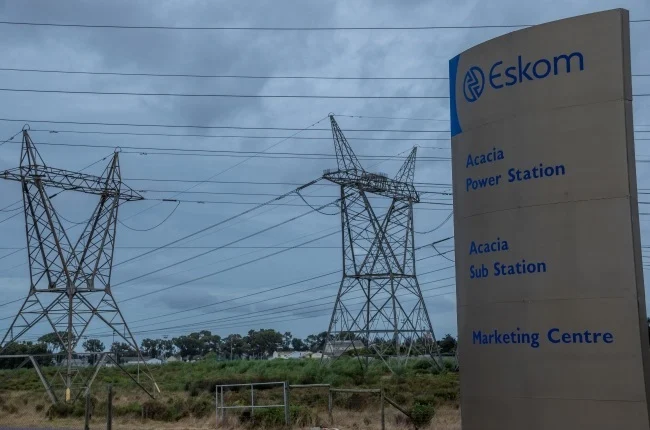
Direct Eskom customers in South Africa will see their electricity bills increase starting Wednesday as the utility implements an 8.7% increase in electricity tariffs for the 2026/27 financial year. The National Energy Regulator of South Africa (NERSA) approved the adjustment to help Eskom cover operational costs and maintain energy supply reliability across the country.
The adjustment affects both households and businesses that purchase electricity directly from Eskom, while municipal customers may face separate increases determined by local authorities.
What the Increase Means for Households
The rise in the electricity tariff will directly impact monthly household budgets. For an average household consuming about 1,000 kWh per month, the increase could translate to an additional R87 per month. Low- and middle-income families, particularly those relying heavily on electricity for heating and cooking, are likely to feel the effect most acutely.
Many South Africans have already been managing high utility costs, and this latest adjustment comes amid broader economic pressures, including rising food and fuel prices
Effect on Businesses
Business operations across South Africa are expected to face increased energy costs. Companies in energy-intensive sectors such as manufacturing, mining, and agriculture may experience higher operational expenditures. Some businesses may pass these costs onto consumers through price adjustments, potentially contributing to broader inflationary trends.
Analysts emphasize that while the 8.7% increase is substantial, it is essential for Eskom to maintain electricity generation capacity and avoid supply disruptions.
Why Eskom Increased the Tariff
Eskom cites several reasons for the tariff increase:
- Rising costs of coal and other generation inputs
- Maintenance and repair of aging power plants
- Operational overhead and labor costs
- Debt servicing obligations to stabilize the utility
The electricity tariff adjustment is part of Eskom’s strategy to ensure sustainability and prevent load-shedding due to financial constraints.
Regional Implications
While the tariff increase applies to direct Eskom customers nationwide, some regional variations exist. Municipal customers may experience slightly different increases depending on local electricity distribution policies. Urban areas may see smaller relative increases compared to rural and peri-urban regions where electricity costs are already higher due to distribution challenges.
Households are encouraged to review their monthly consumption and explore energy-saving measures to offset the additional costs.
Public and Political Reactions
The announcement has sparked debate among consumer groups and political parties. Critics argue that electricity price increases exacerbate financial pressure on households, while Eskom officials maintain that the adjustment is necessary to sustain reliable service.
Energy experts suggest that consumers adopt energy-efficient appliances and practices to reduce consumption and mitigate the impact of rising electricity tariffs.
Impact on Energy Policy
The 8.7% rise in the electricity tariff highlights the ongoing challenges in South Africa’s energy sector. Eskom continues to face financial and operational pressures, prompting debates about the long-term sustainability of electricity pricing and the potential for alternative energy sources.
Policy recommendations include:
- Expanding renewable energy adoption
- Encouraging energy efficiency programs
- Exploring subsidies for low-income households
Such measures aim to balance the need for reliable energy supply with affordability for consumers.
How Consumers Can Manage the Increase
Households can take practical steps to minimize the impact of rising electricity tariffs:
- Switch to energy-efficient lighting and appliances
- Monitor and reduce peak-time electricity usage
- Consider solar or alternative energy sources where feasible
- Conduct regular maintenance of electrical appliances to reduce wastage
By adopting these strategies, consumers can limit the financial burden of higher electricity costs.
Economic Implications
The increase in the electricity tariff may influence the broader South African economy. Analysts note that:
- Higher energy costs could affect inflation
- Businesses may adjust pricing for goods and services
- Energy efficiency and alternative energy sectors could see increased demand
Careful monitoring of these trends is necessary to ensure economic stability and avoid placing undue pressure on vulnerable households.
Looking Ahead
Experts warn that further electricity tariff adjustments are possible if operational costs and fuel prices continue to rise. Eskom remains under pressure to maintain service reliability and manage debt, which could result in periodic reviews and increases.
The government and energy regulators are likely to continue exploring strategies to balance the financial viability of the utility with affordability for consumers.
Conclusion
The electricity tariff increase of 8.7% for 2026/27 underscores the direct impact of operational costs on household and business electricity bills. While necessary to ensure sustainable power supply, the adjustment will affect millions of South Africans, making energy efficiency and consumption monitoring more critical than ever.
As Eskom navigates financial and operational challenges, households and businesses must adapt to the rising cost of electricity while policymakers work to ensure access, reliability, and long-term sustainability.