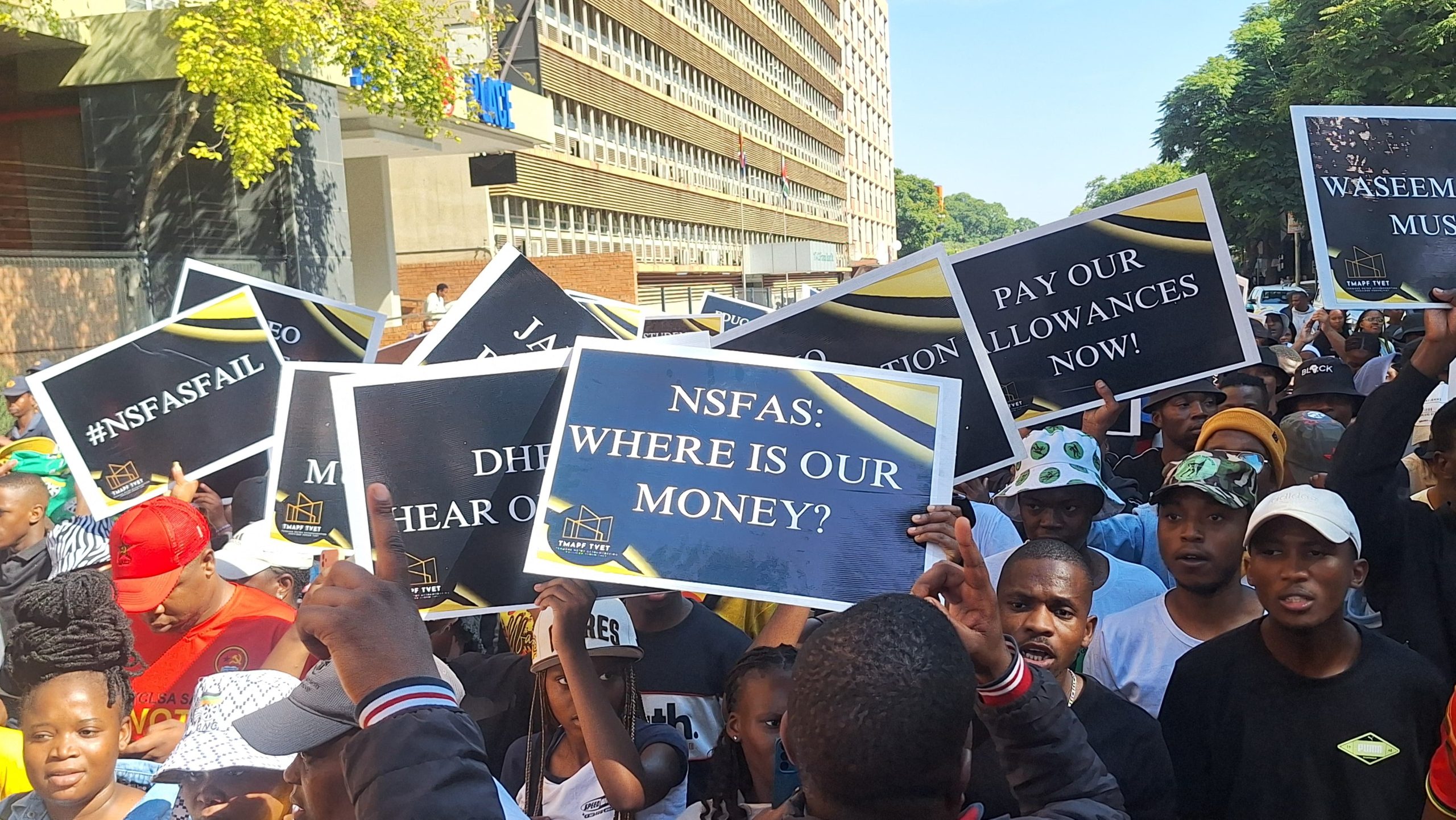
South Africa’s higher education funding system is under scrutiny after the mismanagement of student funds by the National Student Financial Aid Scheme (NSFAS) was revealed. According to the Auditor-General, 822 deceased students received financial aid payments in the 2024/2025 academic year, totaling millions of rands.
Officials explained that the loss of access to SARS and Home Affairs databases prevented timely verification of student eligibility, exposing critical gaps in fund management and oversight.
The Scale of the Mismanagement
The Auditor-General’s report highlighted the following:
- NSFAS payments were disbursed to 822 students who had passed away.
- The total funds involved ran into millions of rands, representing a significant misuse of public money.
- Verification processes failed due to technical and system access limitations, making real-time checks impossible.
The revelation has prompted calls for reforms in the administration of student funds to prevent recurrence.
NSFAS Response and Accountability
NSFAS acknowledged the oversight and committed to corrective action:
“We recognize the issue of funds being allocated to deceased students. Limited access to SARS and Home Affairs contributed to this, and we are implementing measures to prevent future occurrences,” said an NSFAS spokesperson.
Authorities emphasized the importance of strengthening internal checks and improving cross-government collaboration to ensure student funds reach the intended beneficiaries.
Why This Matters to South Africans
The mismanagement of student funds raises public concern:
- Taxpayers worry about millions of rands being misallocated.
- Students eligible for aid may experience delays or uncertainty in funding.
- Media and civic organizations have increased pressure on NSFAS for greater transparency and accountability.
Experts argue that efficient fund management is essential to protect both public money and students’ educational opportunities.
Systemic Challenges Behind the Error
The NSFAS incident reflects deeper systemic challenges:
- Database inaccessibility prevented verification against death records and tax records.
- Manual verification processes were insufficient to identify deceased students.
- Rapid disbursement pressures in the academic calendar left little time for extensive checks.
These challenges underline the need for digitally integrated systems that automatically cross-reference multiple government databases.
Auditor-General’s Key Findings
The Auditor-General’s report revealed:
- The payments were not fraudulent but administrative errors due to system limitations.
- Millions of rands were misallocated, showing the scale of oversight needed.
- Recommendations include restoring database access, automating verification, and regular audits to prevent future mismanagement.
“Proper access to government verification systems is crucial to maintain integrity in student funding,” the report stated.
Public Reaction and Social Media Response
The news spread rapidly on social media platforms:
- Citizens expressed frustration over the misuse of public funds.
- Students and parents shared concerns about delays in aid distribution.
- Calls for reform and accountability were widespread, emphasizing the need to protect both public funds and student rights.
The incident highlights the importance of transparent systems in public financial aid administration.
Corrective Actions by NSFAS
In response to the Auditor-General’s report, NSFAS is taking decisive steps:
- Enhancing verification and cross-checking processes.
- Collaborating with SARS and Home Affairs to regain full database access.
- Implementing recovery procedures for misallocated funds.
- Strengthening internal audits and reporting frameworks for accountability.
These measures aim to restore public trust and ensure student funds are allocated appropriately in future cycles.
Implications for Students and Education
The mismanagement of student funds has broader implications:
- Students may face temporary delays as NSFAS improves verification.
- Policy and legislative changes may follow to ensure stricter oversight.
- Long-term, automated and integrated systems will reduce errors and protect millions in public funding.
Stakeholders stress the importance of robust safeguards to prevent misuse while maintaining support for eligible students.
Looking Ahead
Authorities plan to:
- Complete a full reconciliation of student fund disbursements for 2024/2025.
- Automate verification checks linking to SARS and Home Affairs.
- Monitor fund allocation continuously to prevent similar incidents.
- Maintain transparency by providing regular updates to the public.
The mismanagement of student funds serves as a reminder that accountability and efficiency must be prioritized in public financial aid systems.
Conclusion
The NSFAS incident reveals serious vulnerabilities in South Africa’s student fund management, with 822 deceased students receiving millions in aid. Limited access to government verification systems was a key factor, emphasizing the need for digital integration, stricter oversight, and accountability.
Corrective steps are underway, and if implemented effectively, they can restore confidence, safeguard public funds, and ensure educational support reaches the deserving students.