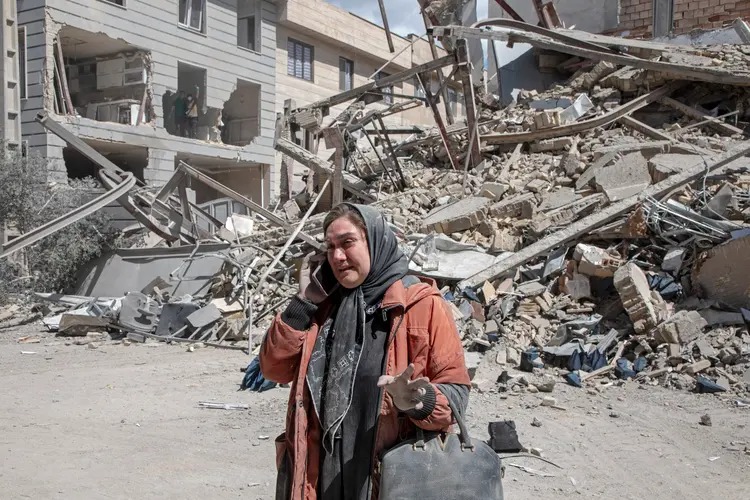
Tensions in the Middle East surged sharply on Monday as Iran Threats dominated global headlines following Donald Trump issuing a stark warning to Iran. The U.S. president claimed that American forces are prepared to launch a large-scale military operation targeting Iran’s critical infrastructure if a proposed peace agreement is not accepted before an imminent deadline.
The statement came after Iran formally rejected a ceasefire proposal, signaling a dangerous escalation that could have far-reaching geopolitical and economic consequences worldwide, including for countries like South Africa.
What Happened?
The latest developments center around a failed diplomatic push aimed at easing tensions between the United States and Iran. According to official remarks, Trump stated that the U.S. military has already developed a strategic plan capable of destroying Iran’s bridges and power plants within a four-hour window.
This warning followed Iran’s outright rejection of the ceasefire deal, which was reportedly designed to halt further hostilities and create space for negotiations. Iranian officials have not only dismissed the proposal but also signaled resistance to what they describe as coercive diplomacy.
The situation marks one of the most serious escalations in recent years, with both sides appearing unwilling to compromise under pressure.
Why the Iran Threats Matter Globally
The rise in Iran Threats is not just a regional issue—it has significant global implications.
Firstly, Iran holds a strategic position in global energy markets. Any disruption caused by potential military strikes could severely impact oil supply routes, particularly through the Strait of Hormuz. This could lead to rising fuel prices worldwide.
For South Africa, the consequences could be immediate:
- Increased fuel costs affecting transportation and logistics
- Higher inflation due to rising import expenses
- Pressure on economic growth due to global instability
Secondly, escalating tensions increase the risk of a broader regional conflict involving multiple countries in the Middle East. This could destabilize already fragile political environments and lead to humanitarian crises.
What Officials Said
In his statement, Donald Trump emphasized the seriousness of the situation, making it clear that the United States is prepared to act swiftly if its conditions are not met.
He suggested that the planned military response would specifically target infrastructure rather than civilian populations, though experts warn that such operations inevitably carry wider consequences.
On the other hand, Iranian leadership has strongly condemned the threats, framing them as violations of international norms. Officials in Tehran have reiterated their stance that they will not negotiate under pressure or ultimatums.
The lack of diplomatic progress raises concerns that both sides are moving closer to confrontation rather than resolution.
Military Strategy and Risks
The mention of a four-hour operational plan has drawn attention from defense analysts worldwide. Such a strategy would likely involve coordinated air and cyber strikes aimed at crippling infrastructure quickly.
However, experts caution that:
- Retaliation from Iran could follow immediately
- Proxy conflicts in the region could intensify
- Civilian infrastructure damage could lead to humanitarian crises
Iran has historically demonstrated its capability to respond asymmetrically, including through regional allies and cyber operations. This means that even a short military action could trigger prolonged instability.
Impact on South Africa and Emerging Markets
Although geographically distant, South Africa remains vulnerable to the ripple effects of escalating Iran Threats.
Economic Impact:
South Africa relies heavily on imported fuel. Any spike in global oil prices would directly affect domestic fuel costs, transportation, and overall inflation.
Trade Disruptions:
Global uncertainty could weaken trade flows, particularly affecting exports and imports tied to international markets.
Currency Volatility:
Emerging market currencies, including the South African rand, often weaken during geopolitical crises as investors move toward safer assets.
This makes the situation particularly important for policymakers and businesses in South Africa to monitor closely.
## Reaction on Social Media
The developments quickly gained traction online, with global audiences reacting to the rising Iran Threats.
Social media platforms saw:
- Concerns over potential war
- Debates about U.S. foreign policy
- Discussions about economic fallout
Hashtags related to the crisis began trending, reflecting widespread public anxiety about the possibility of another major international conflict.
What Happens Next?
The coming days are critical. The deadline set by Donald Trump is expected to determine whether the situation moves toward conflict or returns to diplomatic negotiations.
Possible scenarios include:
1. Diplomatic Breakthrough
Iran could reconsider its stance and agree to negotiations, reducing tensions.
2. Limited Military Action
The U.S. could carry out targeted strikes as threatened, leading to immediate escalation.
3. Prolonged Standoff
Both sides may continue aggressive rhetoric without immediate military action, creating sustained uncertainty.
Each scenario carries its own risks and implications for global stability
Conclusion
The surge in Iran Threats highlights the fragile state of international relations and the challenges of resolving conflicts through diplomacy. With both the United States and Iran taking firm positions, the risk of escalation remains high.
For countries like South Africa, the impact may not be direct but is nonetheless significant, particularly in economic terms. As the situation evolves, global attention will remain fixed on whether diplomacy can prevail over confrontation.
The next steps taken by both nations will likely shape not only regional dynamics but also the broader global order in the weeks ahead.