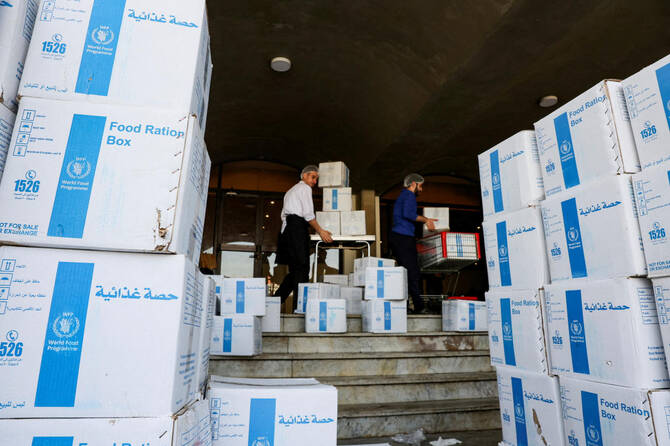
The Lebanon Food Crisis is escalating rapidly as the World Food Programme (WFP) warns that regional instability linked to Iran is disrupting critical supply routes into Lebanon. The disruption is affecting the availability of essential goods, raising concerns about worsening hunger and economic strain across the country.
Growing Pressure on Supply Chains
Lebanon’s supply system is under severe stress as import routes face delays and uncertainty. The country depends heavily on external markets for basic food items, including wheat, cooking oil, and fuel.
Recent geopolitical tensions have made shipping more complicated and expensive. Some suppliers are delaying or suspending deliveries due to security risks and rising insurance costs.
This has resulted in slower inflow of goods, leaving markets vulnerable to shortages and sudden price spikes.
Rising Food Insecurity Across Lebanon
The impact of the Lebanon Food Crisis is becoming increasingly visible in daily life. Many households are struggling to afford even basic necessities as food inflation continues to climb.
Local markets are experiencing:
- Reduced availability of staple items
- Rapid increases in food prices
- Greater reliance on imported alternatives
Humanitarian organizations warn that food insecurity is spreading beyond low-income groups, now affecting middle-income families as well.
Economic Challenges Deepen the Crisis
Lebanon’s fragile economy is a major factor behind the worsening situation. Years of financial instability have weakened the country’s ability to manage external shocks.
The national currency has lost much of its value, making imports significantly more expensive. At the same time, wages have not kept pace with inflation, reducing purchasing power for millions.
This economic backdrop amplifies the effects of supply disruptions, turning logistical issues into a full-scale crisis.
What the World Food Programme Says
The World Food Programme has raised alarm over the situation, describing it as a serious and escalating food security concern.
Officials have emphasized that urgent action is needed to prevent further deterioration. They stress the importance of maintaining open supply routes and ensuring that humanitarian assistance reaches vulnerable populations quickly.
The agency is also monitoring food price trends and supply chain conditions to assess future risks.
Role of Regional Conflict
Tensions involving Iran are playing a critical role in the current crisis. Key trade routes used for transporting goods into Lebanon are being affected by instability in the region.
Shipping companies are facing increased risks, leading to:
- Higher freight costs
- Longer delivery times
- Reduced shipping frequency
These challenges are directly impacting Lebanon’s ability to secure consistent food supplies.
Impact on Daily Life
For ordinary citizens, the Lebanon Food Crisis is more than a headline—it is a daily struggle.
Families are adapting by:
- Cutting down on meal portions
- Switching to cheaper, less nutritious food
- Relying on aid programs
Experts warn that prolonged food insecurity could lead to serious health consequences, particularly for children and vulnerable communities.
International Concerns and Broader Effects
The crisis is drawing attention from the international community due to its potential regional and global implications.
Countries such as South Africa may feel indirect effects through global market shifts. These include rising food prices and increased competition for essential imports.
Global supply chains are interconnected, meaning disruptions in one region can have far-reaching consequences.
Humanitarian Efforts Underway
Efforts are being made to address the Lebanon Food Crisis, but challenges remain significant.
The World Food Programme and other organizations are working to:
- Distribute emergency food aid
- Provide financial assistance to vulnerable families
- Support local supply systems
However, funding limitations and logistical constraints are slowing the response.
Aid agencies continue to call for increased international support to scale up operations.
Risk of Further Instability
Beyond the humanitarian dimension, the crisis poses risks to Lebanon’s social and political stability.
Rising food insecurity can contribute to:
- Public dissatisfaction
- Economic inequality
- Increased migration pressures
Analysts warn that if the situation is not addressed, it could lead to broader instability in the country.
Outlook: What Lies Ahead?
The future of the Lebanon Food Crisis remains uncertain. Much will depend on how quickly supply chain disruptions can be resolved and whether regional tensions ease.
Key factors to watch include:
- Stability of trade routes
- Availability of international aid
- Domestic economic reforms
Without meaningful progress in these areas, the crisis is likely to persist.
Conclusion
The Lebanon Food Crisis highlights the fragile balance between regional stability and food security. As supply disruptions linked to Iran continue to affect imports, the pressure on Lebanon’s economy and population is intensifying.
Urgent action from both local authorities and the international community will be essential to prevent the situation from worsening further.