
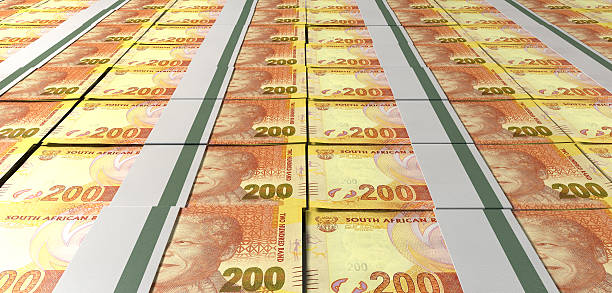
The Rand Rally is pushing South Africa’s currency toward its biggest annual gain since 2009, as improved political stability at home and a weakening US dollar fuel renewed investor confidence. The rand has outperformed most emerging-market peers this year, benefiting from strong capital inflows, attractive interest rate differentials, and a more constructive global risk environment as markets approach year-end.
Market analysts say the rally reflects a rare alignment of domestic reform momentum and favorable international conditions, giving the rand a powerful boost after years of volatility and underperformance.
What Is Driving the Current Rand Rally?
The strength of the rand in 2025 has not been driven by a single factor but rather a combination of structural and cyclical developments that have reshaped investor sentiment.
Currency strategists point to three main pillars supporting the rally:
- Greater political and policy certainty in South Africa
- Sustained weakness in the US dollar
- Strong appetite for high-yield emerging-market assets
Together, these forces have created one of the most supportive backdrops for the rand in more than a decade.
Political Stability Reduces Risk Premium
One of the most important drivers behind the Rand Rally has been growing political stability. Investors have welcomed clearer governance signals, improved institutional cooperation, and a decline in policy uncertainty that previously weighed heavily on South African assets.
Political risk has historically been one of the biggest challenges for the rand, often leading to sudden sell-offs during periods of instability. This year, however, the tone has shifted. Markets have reacted positively to signs of pragmatic decision-making and improved dialogue between political stakeholders.
As political risk perceptions ease, investors demand a lower risk premium, making South African bonds, equities, and the currency more attractive.
Dollar Weakness Creates Tailwinds
Global factors have played an equally crucial role. The US dollar has weakened significantly, driven by expectations that the Federal Reserve is approaching the end of its tightening cycle and could pivot toward interest rate cuts in the coming year.
When the dollar loses momentum:
- Emerging-market currencies tend to strengthen
- Capital flows move toward higher-yielding assets
- Carry trades become more attractive
The rand, offering one of the highest real yields among major emerging markets, has been a key beneficiary of this shift. As investors search for yield outside the US, demand for the South African currency has surged.
Interest Rate Advantage Attracts Global Investors
South Africa’s relatively high interest rates have amplified the Rand Rally, particularly among global fixed-income investors. With inflation showing signs of moderation, real yields remain attractive without raising concerns about overheating.
This interest rate differential has encouraged:
- Increased foreign purchases of government bonds
- Higher demand for rand-denominated assets
- Stronger inflows into local financial markets
Analysts note that as long as inflation remains under control and monetary policy stays credible, the yield advantage should continue to support the currency.
Emerging Markets Back in Favor
The broader global environment has also shifted in favor of emerging markets. Easing recession fears in major economies and improving risk appetite have led investors to reallocate funds away from defensive positions and toward higher-growth regions.
Within this context, South Africa has stood out due to:
- Undervalued asset prices
- Improving macroeconomic signals
- Strong commodity-linked trade dynamics
The Rand Rally reflects this renewed appetite, with the currency outperforming peers such as the Brazilian real and Turkish lira on a year-to-date basis.
Year-End Economic Factors Add Momentum
Seasonal dynamics have further supported the rand. Toward the end of the year, South Africa often benefits from improved trade flows, particularly in commodities, which help stabilize the current account.
At the same time:
- Inflation pressures have eased
- Fiscal discipline has improved marginally
- External financing conditions have become more favorable
These year-end tailwinds have strengthened the narrative that the rand’s gains are not purely speculative but grounded in improving fundamentals.
Market Performance Compared to History
If current trends hold, the Rand Rally would mark the currency’s strongest annual performance since 2009—a year that followed the global financial crisis and saw a sharp rebound in emerging-market assets.
Market data shows:
- Double-digit percentage gains against the US dollar
- Reduced volatility compared to previous years
- Strong correlation with positive political and macroeconomic news
This performance stands in stark contrast to the past decade, during which the rand was often among the world’s worst-performing currencies.
Risks That Could Disrupt the Rally
Despite its strength, analysts caution that the rally is not without risks. The rand remains sensitive to:
- Sudden shifts in global risk sentiment
- Unexpected changes in US monetary policy
- Domestic economic setbacks or political tensions
Any resurgence in dollar strength or global market stress could trigger profit-taking, particularly given the rand’s historical volatility.
However, many strategists believe that even if short-term pullbacks occur, the broader trend remains constructive heading into the new year.
What Happens Next for the Rand?
Looking ahead, market participants will closely watch:
- US Federal Reserve policy signals
- South Africa’s fiscal and reform progress
- Global growth and commodity price trends
If political stability continues and global conditions remain supportive, the Rand Rally could extend into the early months of next year, though gains are likely to moderate from current levels.
Economists say the key challenge will be converting currency strength into sustainable economic growth, ensuring that investor confidence translates into long-term investment rather than short-term inflows.
Conclusion:
The Rand Rally marks a significant shift for South Africa’s currency, reflecting a rare alignment of domestic political stability and favorable global conditions. As the rand heads toward its strongest annual gain since 2009, investors are reassessing long-held assumptions about risk and resilience in one of Africa’s most important economies.
While challenges remain, the current momentum underscores how quickly sentiment can change when confidence returns—making the rand one of the most closely watched emerging-market currencies as the year draws to a close.