
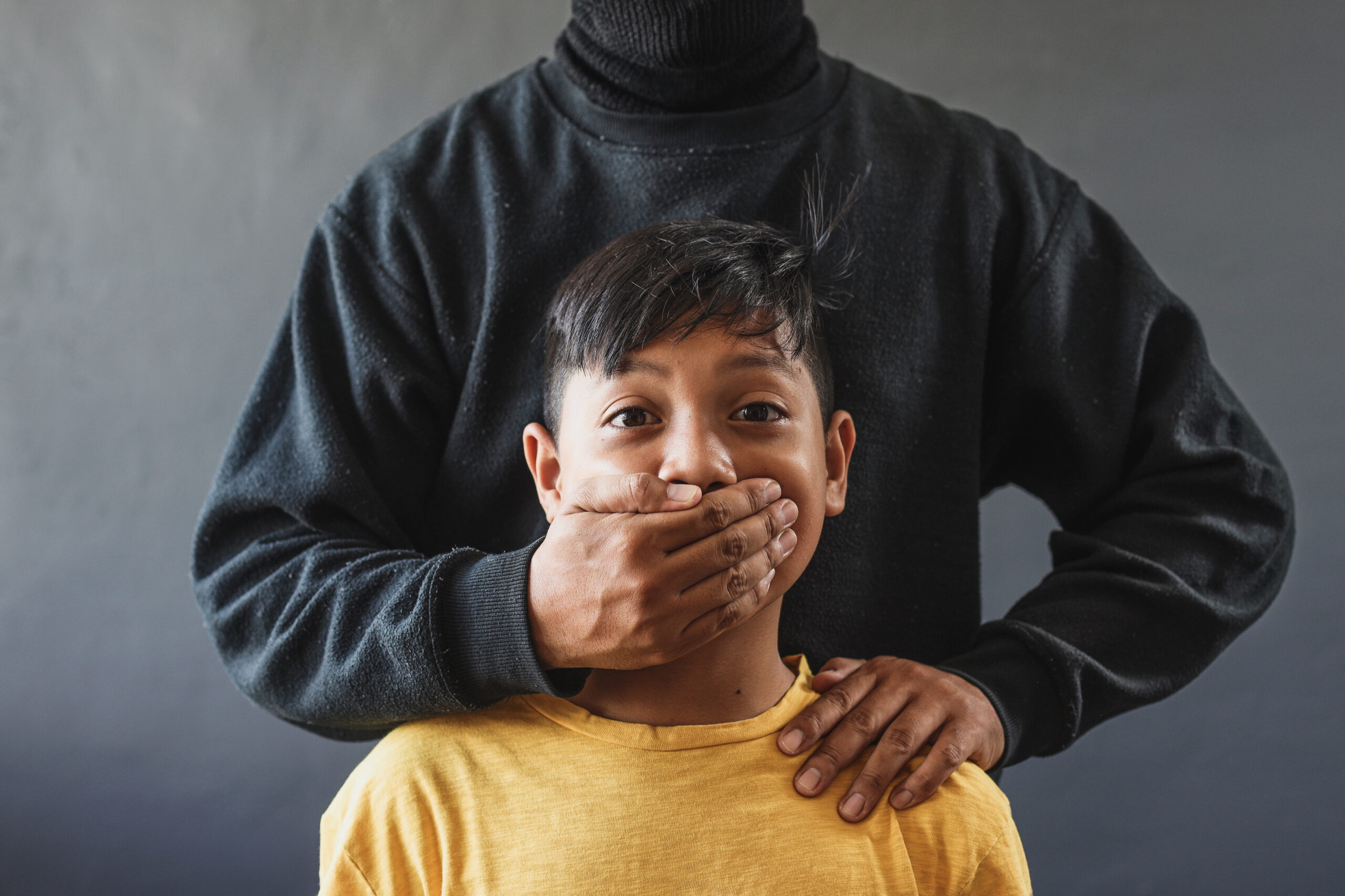
Johannesburg, South Africa — January 4, 2026: Rising kidnapping trauma in South Africa is drawing attention to the psychological toll on victims. Experts report increasing numbers of individuals experiencing anxiety, depression, and post-traumatic stress after abduction incidents. In-depth interviews reveal the human cost and the recovery pathways victims are pursuing to regain a sense of safety and normalcy. Families and communities are grappling with the broader social and emotional impacts of this crime surge.
What Is Kidnapping Trauma?
Kidnapping trauma refers to the emotional and psychological effects experienced by victims of abduction. These can include:
- Post-Traumatic Stress Disorder (PTSD)
- Anxiety and panic attacks
- Sleep disturbances and nightmares
- Difficulty trusting others
Dr. Zanele Khumalo, a Johannesburg-based psychologist, explains:
“Kidnapping is not only physically dangerous; it leaves deep emotional scars. Trauma can persist long after the victim is released.”
The trauma often affects entire families, with loved ones experiencing secondary stress, hypervigilance, and long-term anxiety.
Rising Cases Across the Country
South Africa has seen a sharp increase in kidnapping incidents over the past year, with police reporting:
- Johannesburg: 320 cases in 2025, up 18% from 2024
- Cape Town: 210 cases, up 15%
- Durban: 175 cases, up 12%
Experts attribute this trend to:
- Organized crime targeting high-risk individuals
- Urban poverty and inequality creating vulnerabilities
- Insufficient law enforcement resources
These rising numbers underscore the need for urgent attention to the psychological effects of kidnapping trauma.
Victims’ Personal Stories
Personal accounts illustrate the human side of kidnapping trauma:
- Nomsa, 27, Johannesburg: “After being held for 12 hours, I couldn’t sleep for weeks. Every noise made me panic.”
- Sipho, 35, Durban: “I avoided public transport for months and felt constantly watched. Therapy helped me regain control.”
Psychologists note that sharing experiences in safe spaces is often the first step in recovery, helping victims process fear and anxiety.
Recovery Pathways for Kidnapping Trauma
Victims are pursuing various recovery pathways:
- Professional Counseling: Individual therapy, trauma-focused cognitive behavioral therapy (CBT)
- Support Groups: Peer networks provide emotional validation and coping strategies
- Community Programs: NGOs and local organizations offer workshops, resilience training, and emergency hotlines
- Family Support: Families play a critical role in rebuilding trust and emotional safety
Dr. Khumalo stresses:
“Recovery is a process. Victims often need multiple interventions over months or years to fully regain their mental stability.”
Official Statements
South African Police Service (SAPS) spokesperson Captain Lunga Mkhize stated:
“We are aware of the increasing number of kidnapping incidents. While our priority is apprehending criminals, we also recognize the need for mental health support for victims.”
The Department of Social Development is working with NGOs to ensure victims have access to counseling and rehabilitation programs.
The Role of NGOs and Mental Health Professionals
Non-governmental organizations like Childline South Africa and Sisonke Trauma Centre provide critical support for kidnapping trauma victims. Services include:
- 24/7 hotlines for crisis counseling
- Trauma therapy sessions
- Community workshops on safety and resilience
Mental health professionals emphasize early intervention:
“Immediate support reduces the likelihood of long-term psychological disorders,” says Dr. Khumalo.
Social Media and Public Awareness
Social media has amplified awareness of kidnapping trauma, with campaigns encouraging victims to speak out and seek help. Hashtags such as #EndKidnappingSA and #TraumaSupport are trending, reflecting public engagement.
Community members share advice on safety, recovery, and resources, increasing accessibility to support networks.
Impact on Families and Communities
Kidnapping trauma affects more than just the direct victim. Families experience:
- Emotional strain and anxiety
- Financial stress due to ransom demands
- Fear for personal safety
Communities feel the impact as well, with rising public concern over crime rates affecting local businesses, schooling, and daily life.
Expert Recommendations
Experts recommend:
- Increased access to trauma counseling for victims
- Public awareness campaigns on safety and early intervention
- Government collaboration with NGOs for comprehensive support programs
- Police transparency and communication on safety measures
These interventions are essential for reducing long-term psychological effects and helping victims reintegrate into society.
Conclusion
The rise of kidnapping trauma in South Africa is a growing concern, affecting victims, families, and communities. While the number of incidents is alarming, recovery pathways through counseling, support networks, and community programs offer hope. Awareness campaigns and mental health interventions are key to mitigating the long-term impact of trauma.
Victims and families are encouraged to seek professional help immediately, ensuring kidnapping trauma does not define their future. South Africa continues to grapple with crime trends, but timely support and recovery measures can make a meaningful difference in victims’ lives.