
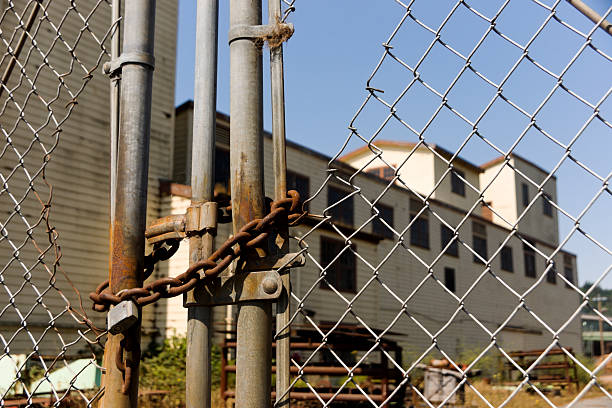
British American Tobacco South Africa (BAT SA) has closed its Heidelberg manufacturing plant, citing the growing tobacco trade crisis and illegal cigarette sales as the primary reasons. The shutdown directly affects more than 200 employees and highlights the mounting pressure on legal tobacco operations in South Africa. Experts warn that illicit trading not only threatens jobs but also undermines tax revenue and the stability of the local manufacturing sector.
What Happened?
BAT SA confirmed the indefinite closure of its Heidelberg facility earlier this week. The company stated that the plant could no longer operate profitably due to the rise in illicit tobacco trade, which has eroded the market for legally produced cigarettes.
The Heidelberg plant has been a key production hub for the company, supplying both domestic and export markets. Its closure is a significant blow to employees, suppliers, and the local economy, with more than 200 workers losing their jobs immediately.
The company emphasized that the decision was unavoidable and part of a broader strategy to manage the economic impact of illegal cigarette sales, which continue to surge in South Africa.
Why the Tobacco Trade Crisis Matters
Illicit cigarette trading has long been a major challenge in South Africa. According to industry analysts:
- Up to 30% of cigarettes sold in the country are illicit.
- These illegal products evade taxes, costing the government millions in lost revenue annually.
- Legal tobacco companies like BAT SA face severe competition from unregulated sellers, making operations unsustainable in certain regions.
“The impact is devastating for formal manufacturers,” said a spokesperson for the Tobacco Institute of South Africa. “When legal products cannot compete with cheaper, untaxed alternatives, jobs are lost, and the government loses vital tax income.”
Impact on Employees
The closure has immediate consequences for over 200 staff members, many of whom have spent years working at the Heidelberg plant. Employees face uncertain futures, although BAT SA has promised retrenchment packages and potential redeployment opportunities in other facilities where possible.
Labour unions have expressed concern, calling on the government to take urgent action against illegal cigarette trading. “Workers should not bear the burden of a crisis created by illicit trade,” said a representative from the South African Democratic Teachers Union, which also advocates for manufacturing job security.
Government and Industry Response
The government has pledged to strengthen enforcement against illicit trade, but experts note that corruption and inadequate policing have made these efforts insufficient.
The National Treasury has repeatedly warned that illegal cigarette sales reduce tax revenues by billions each year, directly affecting public services such as health, education, and infrastructure. Industry leaders are urging stricter penalties for smugglers and increased monitoring at border posts.
BAT SA, meanwhile, continues to advocate for public-private partnerships to combat illegal trading. “We need coordinated action to protect the formal industry and the jobs it provides,” said a company executive.
Broader Economic Implications
The closure of the Heidelberg plant highlights several systemic issues:
- Job Losses: Immediate impact on over 200 employees and indirect effects on suppliers and logistics.
- Tax Revenue Loss: Illegal cigarettes reduce government revenue, limiting public investment.
- Market Instability: Legal manufacturers struggle to maintain operations in high-risk regions.
- Community Impact: Towns like Heidelberg, reliant on manufacturing jobs, face reduced economic activity.
Analysts warn that without decisive action, more closures may follow, potentially leading to long-term damage in the formal tobacco sector.
What BAT SA is Doing Next
BAT SA is taking steps to mitigate the impact of the closure:
- Offering financial support and retraining programs for affected employees.
- Exploring the possibility of redeploying staff to other plants within South Africa.
- Working with authorities and industry partners to combat illicit trade, including advocacy campaigns and lobbying for stronger enforcement.
The company emphasized that while the closure was necessary, it remains committed to sustaining employment where possible and maintaining a legal, compliant tobacco supply chain in South Africa.
Public Reaction and Social Media
The closure has sparked debate on social media platforms. Many express concern for the affected employees, while others focus on the wider implications of illicit trade. Trending hashtags include #BATSA, #TobaccoTrade, and #JobsAtRisk.
Public opinion is divided: some blame the government for failing to regulate illicit trading, while others highlight the role of consumer demand for cheaper cigarettes. Advocacy groups are calling for sustainable solutions to protect jobs and the legal industry.
Future Outlook
Experts predict that unless effective anti-illicit trade measures are implemented, legal tobacco companies will continue to face closures. Increased enforcement, public awareness campaigns, and collaboration between government and industry are seen as key to stabilizing the market.
For employees affected, retraining and redeployment are immediate priorities, but long-term solutions require systemic changes in regulation, policing, and economic incentives to curb illicit trading.
Conclusion
The closure of BAT SA’s Heidelbergplant is a stark reminder of the growing tobacco trade crisisin South Africa. Over 200 workers are affected, while the legal tobacco industry faces mounting challenges from illicit sales. Coordinated action between the government, industry, and law enforcement is critical to protect jobs, secure tax revenue, and ensure the sustainability of South Africa’s legal tobacco market.