
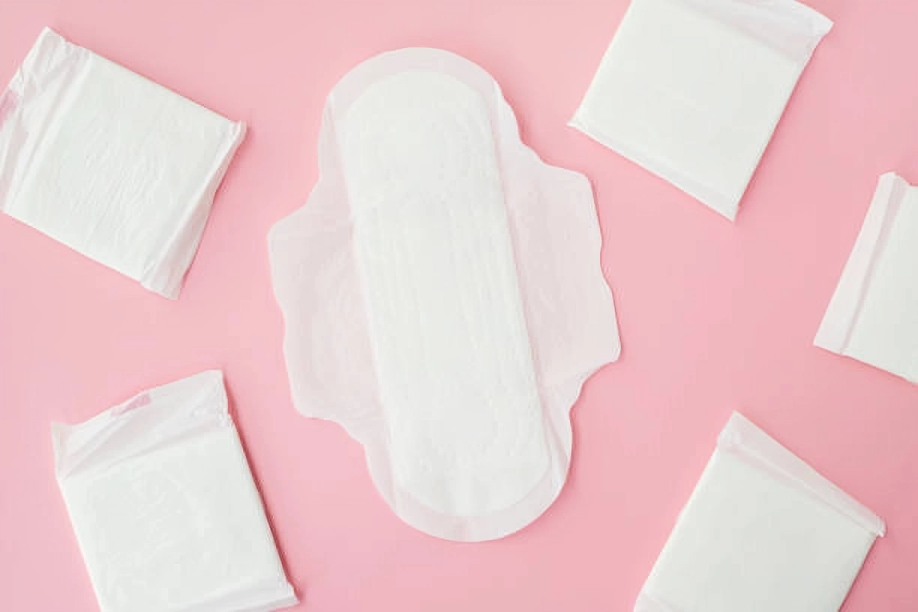
Sanitary Pads sold across South Africa are under close scrutiny after the National Consumer Commission (NCC) opened an official investigation into nine suppliers of sanitary pads and panty liners. The investigation follows an independent study that reportedly detected potentially harmful chemical substances in some products, sparking serious public health and consumer safety concerns.
This regulatory action highlights the importance of monitoring essential hygiene products used daily by millions of women and girls across the country. The NCC investigation could lead to recalls, compliance orders, or financial penalties if violations are confirmed.
What Happened?
The NCC confirmed that it has formally begun probing nine suppliers in South Africa’s sanitary product market. The move follows a study identifying chemical traces in selected pads and liners. While full chemical details are not yet publicly disclosed, the findings were serious enough to warrant immediate regulatory action.
The NCC’s investigation will focus on:
- Chemical safety and concentration levels
- Compliance with national safety standards
- Accuracy and transparency of product labeling
- Supplier adherence to the Consumer Protection Act
Officials have not announced recalls yet but confirmed that enforcement actions will follow if products are deemed unsafe.
Why This Matters
Sanitary pads are essential hygiene products for women and girls of all ages.
Unlike many consumer goods, these products have prolonged direct contact with sensitive areas, meaning any harmful chemicals can pose serious health risks, including:
- Skin irritation or rashes
- Allergic reactions
- Hormonal disruption
- Long-term reproductive health problems
Given the widespread distribution of pads — including in public schools and health programs — consumer confidence is critical. Unsafe products could have far-reaching consequences on both health and trust.
NCC Statement
In an official statement, the NCC emphasized that consumer safety is a top priority.
Key points:
- Laboratory verification of study findings is ongoing
- Suppliers are being asked to provide documentation on chemical safety and compliance
- Enforcement action will depend on confirmed laboratory results
The NCC urged consumers not to panic but to stay informed and report any adverse reactions linked to sanitary products.
Understanding the Chemical Concerns
While the NCC has not published the full list of chemicals, studies of similar products globally have found:
- Volatile organic compounds (VOCs)
- Phthalates
- Dioxins
- Fragrance-related irritants
Health experts note that risk depends on concentration and exposure. Chemicals above safe limits may require immediate regulatory intervention.
Public Reaction
The announcement sparked concern on social media. Consumers have called for:
- Greater ingredient transparency
- Public disclosure of supplier names
- Independent safety testing of all menstrual hygiene products
- Stronger regulatory oversight
Some emphasize caution, noting that the investigation is still in progress and results are pending.
Market Impact
South Africa’s sanitary product market includes both local and imported brands.
Confirmed violations could result in:
- Product recalls
- Financial penalties for suppliers
- Temporary suspension of product sales
- Mandatory product reformulation
Retailers may also review procurement standards to maintain consumer trust.
Regulatory Framework
Under the Consumer Protection Act, suppliers must ensure products:
- Are safe for their intended use
- Meet national safety and quality standards
- Do not pose undue risk to consumers
The NCC has authority to issue compliance notices, impose fines, mandate corrective actions, and refer non-compliance for prosecution. The investigation involves:
- Laboratory testing
- Supplier interviews and document reviews
- Risk assessment based on safety standards
What Happens Next?
The NCC is expected to:
- Complete laboratory verification of the study’s findings
- Request responses from the nine suppliers
- Assess compliance with national regulations
- Determine enforcement actions, including possible recalls
Consumers are advised to follow official NCC updates for verified information.
Broader Public Health Implications
Menstrual hygiene products are essential for women’s health and well-being. Unsafe pads could lead to:
- Health risks among users
- Loss of consumer confidence
- Increased scrutiny of menstrual product distribution programs
Consumer advocacy groups argue that proactive regulation is necessary to prevent harm and ensure product trustworthiness.
Conclusion
The NCC’s investigation into nine sanitary pad suppliers marks a pivotal moment for consumer safety in South Africa.
While enforcement outcomes are pending, the probe underscores the importance of:
- Rigorous product safety standards
- Transparency in ingredient disclosure
- Corporate accountability among suppliers
As laboratory verification continues, the public, retailers, and health authorities await the findings, which may have lasting implications for menstrual product regulation and safety in South Africa.