
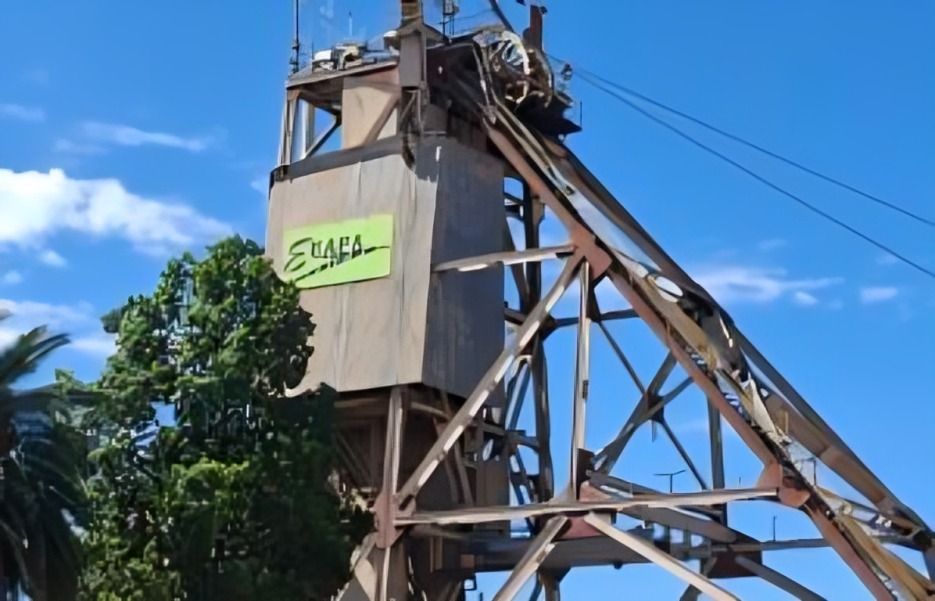
Ekapa Liquidation has intensified uncertainty in South Africa, as families of miners still trapped underground demand the recovery of their loved ones’ remains before the company’s financial collapse halts operations entirely. Experts warn that beyond corporate insolvency, the situation carries profound cultural, legal, and humanitarian implications.
As Ekapa Mining reportedly moves toward liquidation due to severe financial strain, relatives fear that rescue and recovery efforts may be deprioritized in favor of settling debts. For grieving families, however, the issue is not financial — it is about dignity, tradition, and closure.
What Happened?
Ekapa Mining has cited worsening financial conditions as the reason for initiating liquidation proceedings. Liquidation typically occurs when a company cannot meet its financial obligations and must sell assets to repay creditors.
However, in this case, liquidation intersects with an unresolved mining tragedy. Several miners remain underground following the incident, and their bodies have yet to be recovered.
Industry experts explain that underground recovery missions require:
- Continuous technical operations
- Specialized rescue teams
- Ventilation and structural safety management
- Significant financial resources
If funding streams are frozen during liquidation, recovery operations could face delays or even suspension. This uncertainty has heightened tensions among affected families.
Cultural Significance of Recovering Remains
In many communities across South Africa, burial rituals are a central part of social and spiritual life. The inability to recover a body can disrupt traditional practices that honor the deceased and connect families to ancestral lineage.
Cultural experts note that:
- Proper burial ensures spiritual peace.
- Rituals mark the transition from life to ancestry.
- Families rely on ceremonies for emotional closure.
Without remains, families may feel that mourning remains incomplete. In some traditions, specific rites cannot proceed without physical presence of the body.
An academic specializing in African customary law stated that unresolved burial issues may have long-term emotional and communal consequences, especially in rural communities where ancestral traditions remain deeply embedded.
Families Call for Government Intervention
Relatives of the trapped miners are urging authorities to intervene before liquidation proceedings limit recovery options. They argue that corporate insolvency should not override humanitarian responsibility.
Families are demanding:
- A clear and transparent recovery timeline
- Continued funding for retrieval operations
- Direct government oversight
- Counseling and social support
Some family members have expressed frustration over limited communication. They say updates have been inconsistent, adding to emotional strain.
Labor advocates have also stepped in, emphasizing worker protection rights and corporate accountability in hazardous industries.
Legal and Regulatory Questions
The move toward liquidation raises complex legal issues. When a company enters liquidation:
- Control transfers to court-appointed liquidators.
- Assets are evaluated for creditor repayment.
- Operational decisions become financially driven.
Legal analysts suggest that constitutional protections regarding human dignity could influence government involvement. The state may face pressure to ensure that the rights of deceased workers and their families are respected.
Questions remain about whether insurance provisions or emergency state funds could be used to finance recovery efforts during insolvency proceedings.
Mining law specialists add that regulatory bodies could step in if public interest considerations outweigh purely financial concerns.
Economic Impact on Local Communities
The situation extends beyond affected families. Mining plays a critical role in regional economies across South Africa.
Potential consequences of Ekapa’s liquidation include:
- Job losses among employees and contractors
- Reduced economic activity in nearby communities
- Lower investor confidence in the mining sector
Communities that rely heavily on mining operations may experience economic contraction if the mine ceases operations permanently.
Economic analysts warn that how authorities manage this crisis may shape perceptions of regulatory stability within the industry.
Psychological Toll on Families
Mental health professionals describe the experience of not recovering a loved one’s remains as “ambiguous loss.” This type of grief can be prolonged and psychologically destabilizing.
Families may struggle with:
- Lack of closure
- Persistent uncertainty
- Complicated mourning processes
- Anxiety and depression
Counselors emphasize that unresolved disasters often leave emotional scars lasting years. Without burial rituals, traditional pathways to healing may remain blocked.
Community support groups are reportedly mobilizing, though access to professional counseling varies depending on location.
Public Reaction and Broader Debate
The crisis has reignited debate about corporate accountability and worker safety in high-risk sectors.
Civil society organizations argue that financial mismanagement should not compromise humanitarian obligations. Some commentators suggest stricter enforcement of safety regulations and mandatory emergency recovery funds for mining companies.
Public discourse increasingly centers on balancing financial procedure with moral responsibility.
What Happens Next?
The immediate path forward depends on developments in the liquidation process.
Possible next steps include:
- Court directives mandating continued recovery operations.
- Government-funded intervention programs.
- Insurance-backed retrieval initiatives.
- Negotiated settlements involving creditors.
Experts emphasize urgency. The longer recovery is delayed, the more technically complex and emotionally distressing the situation may become.
Authorities have yet to announce a definitive timeline.
Conclusion
Ekapa Liquidation represents more than a financial restructuring — it is a humanitarian test for South Africa’s mining industry and regulatory framework. As liquidation proceedings unfold, families remain focused on a single priority: bringing their loved ones home.
For grieving relatives, the recovery of remains is not a procedural detail within insolvency law. It is a matter of cultural identity, spiritual peace, and human dignity.
How stakeholders respond in the coming weeks will determine whether financial collapse overshadows compassion — or whether a solution can be found that honors both legal obligations and the enduring need for closure.