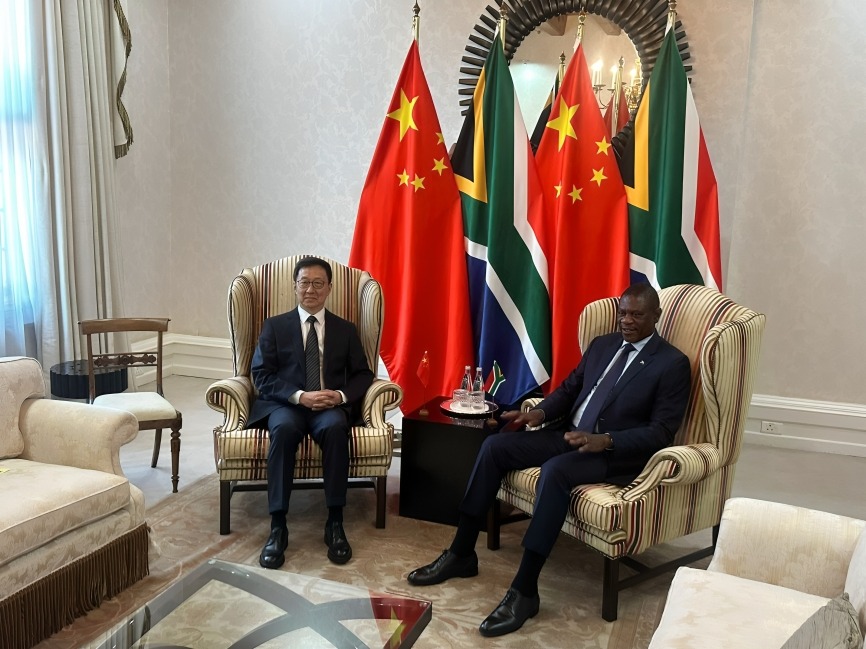
South Africa-China relations received a significant boost during the 9th Bi-National Commission (BNC) held at Tuynhuys in Cape Town. Chaired by Deputy President Paul Mashatile and his Chinese counterpart Vice President Han Zheng, the meeting focused on advancing trade, investment, and broader strategic cooperation between the two nations.
The 9th BNC serves as a high-level platform to translate diplomatic dialogue into actionable economic programs. Experts suggest that the bilateral collaboration agreed upon during these talks could have far-reaching impacts not only for South Africa but for regional economic growth across Africa.
Key Objectives of the 9th BNC
During the 9th BNC, several priority areas were highlighted:
- Trade Expansion: Enhancing South Africa-China trade, including sectors such as agriculture, manufacturing, and technology.
- Investment Initiatives: Launching joint projects in infrastructure, energy, and industrial development.
- Technological Cooperation: Collaboration in innovation, AI, digital solutions, and renewable energy technologies.
- Regional Development: Projects designed to extend benefits to other African nations through economic and infrastructure programs.
Officials emphasized that these initiatives aim to strengthen long-term strategic partnerships and support sustainable development goals.
Statements from Leadership
Deputy President Mashatile remarked:
“The 9th BNC provides a crucial opportunity to reinforce our partnership with China, unlocking investment, trade, and regional collaboration opportunities.”
Vice President Han Zheng added:
“Through enhanced cooperation, China and South Africa can achieve shared prosperity, technological advancement, and regional stability.”
These statements reflect a strong commitment from both sides to elevate bilateral relations beyond diplomacy into practical outcomes.
Trade and Investment Implications
South Africa relies heavily on China as a trade partner, and the 9th BNC aims to:
- Expand export markets for South African goods
- Attract Chinese investment into critical infrastructure, energy, and industrial sectors
- Launch technology and innovation partnerships
- Promote sustainable and inclusive growth through joint projects
Analysts argue that these efforts are critical for economic resilience and positioning Africa as a competitive player in global markets.
Major Projects Highlighted
The 9th BNC discussions included several high-profile initiatives:
- Development of industrial parks and special economic zones
- Public-private partnerships in infrastructure, energy, and technology sectors
- Joint innovation and research programs
- Employment and skills development initiatives to build local capacity
These projects are expected to drive industrial growth, create employment opportunities, and strengthen South Africa’s economic infrastructure.
Regional and Continental Impact
The outcomes of the 9th BNC extend beyond South Africa’s borders:
- Infrastructure Connectivity: Improved transport links and ports boost intra-African trade.
- Industrial Development: Joint ventures support manufacturing and technological advancement.
- Policy Alignment: Enhances Africa’s voice in multilateral trade negotiations and BRICS initiatives.
- Capacity Building: Transfer of skills and knowledge supports sustainable development across the continent.
The BNC demonstrates a strategy that integrates diplomacy with tangible economic benefits for the region.
Cultural and Educational Cooperation
Beyond trade and investment, the 9th BNC emphasizes people-to-people ties:
- Scholarships and student exchange programs between the two countries
- Joint research initiatives in agriculture, technology, and climate science
- Cultural collaborations to promote tourism and mutual understanding
These initiatives deepen the social and cultural foundations of the bilateral partnership.
Challenges and Future Outlook
While promising, the partnership faces potential challenges:
- Addressing trade imbalances
- Aligning investment projects with national priorities
- Navigating geopolitical uncertainties and global economic pressures
Officials highlighted that continued dialogue and structured implementation plans from the 9th BNC will help mitigate these risks and maximize benefits.
Next Steps
Following the 9th BNC, both nations plan to:
- Implement agreements in trade, investment, and infrastructure
- Initiate joint technology and innovation projects
- Monitor and evaluate regional development programs
- Strengthen diplomatic engagement through regular follow-up meetings
These steps aim to ensure that the commitments made during the BNC translate into tangible outcomes for both countries.
Conclusion
The South Africa-China 9th BNC marks a significant step in strengthening trade, investment, and strategic relations. By fostering economic cooperation, technological partnerships, and regional development, the BNC lays the foundation for sustainable growth and mutual prosperity. The meeting highlights the power of diplomacy when paired with actionable initiatives, positioning South Africa and China as key partners in Africa’s economic and strategic landscape.