
Former South African diplomat Ebrahim Rasool has issued a stark warning to the United States and Israel, emphasizing that they must not flout international law as violence continues to escalate in the Middle East. Rasool called on global institutions and leaders to intervene and prevent further destruction, highlighting the urgent need for accountability.
What Happened?
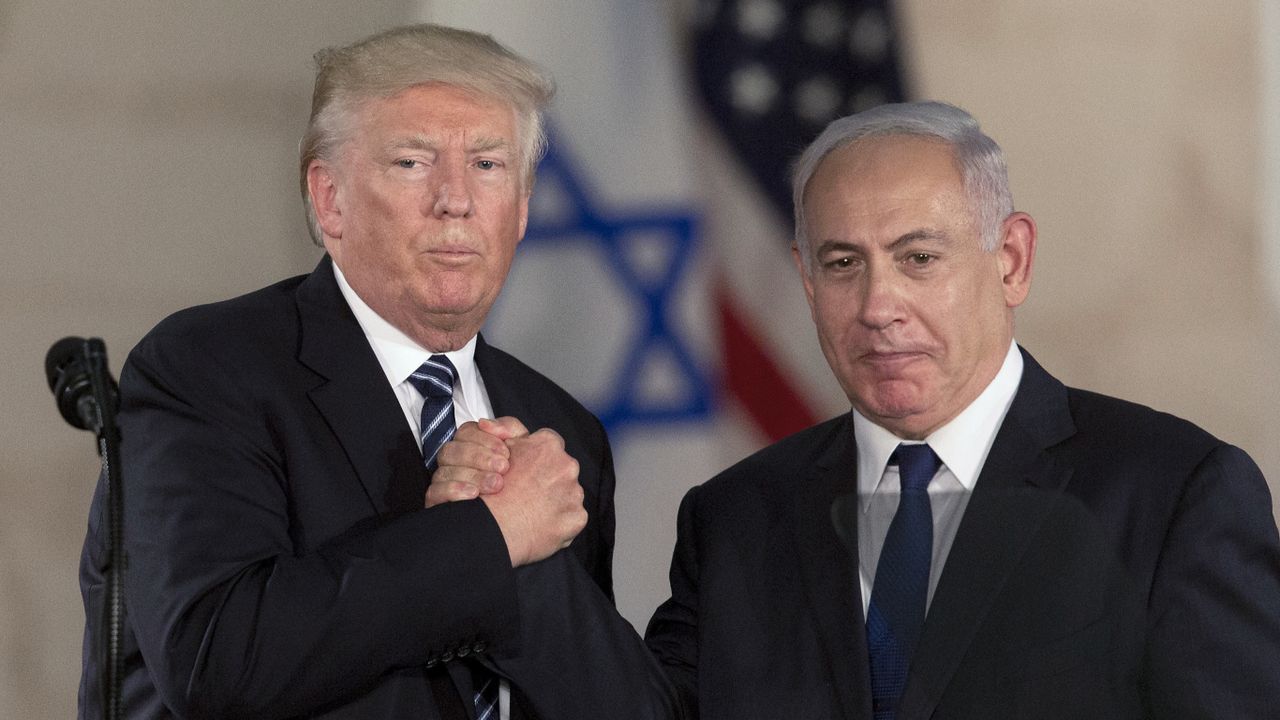
Rockets and missiles continue to be launched in the Middle East, with ongoing military operations causing civilian casualties and infrastructure damage. Rasool stated that actions by US President Donald Trump and Israeli Prime Minister Benjamin Netanyahu risk violating international law and could escalate the humanitarian crisis.
He emphasized that unchecked military aggression undermines global legal frameworks designed to protect civilians and maintain peace.
Official Statements
Rasool, a seasoned diplomat and former political leader, warned that both countries should be held accountable under international law. He said:
“The US and Israel cannot operate above international norms. Continued violations must be addressed immediately to prevent more chaos.”
He urged the United Nations, the International Criminal Court, and other global institutions to act decisively and ensure that all parties respect legal obligations in the conflict zone.
Middle East Context
The conflict in question largely involves ongoing hostilities between Israel and militant groups in Gaza, with rockets and retaliatory airstrikes escalating tensions. Civilian areas have suffered extensive damage, sparking international concern.
Analysts note that the involvement of the US in supporting Israel militarily complicates the situation. Rasool’s warning draws attention to the principle that international law is universal and must be applied impartially, regardless of the parties’ power or alliances.
Reactions on Social Media
Global reaction to Rasool’s statement has been significant, with activists and commentators emphasizing accountability. Many praised his bold stance, stating that prominent voices from South Africa can influence international discourse:
- #InternationalLaw and #MiddleEastChaos have trended in response to his warning.
- Human rights organizations echoed his call for immediate intervention to protect civilians.
Public sentiment reinforces the need for adherence to international norms and serves as a reminder that global oversight mechanisms are being watched closely by citizens worldwide.
What Happens Next
Rasool’s warning places pressure on international organizations to act. Possible next steps include:
- Calls for UN investigations into civilian casualties.
- Diplomatic pressure on the US and Israel to comply with international treaties.
- Potential debates in international courts regarding violations of humanitarian law.
Experts note that timely intervention could prevent further escalation and reduce civilian suffering. Rasool’s intervention may serve as a catalyst for renewed diplomatic efforts and accountability.
The Role of International Law
The concept of international law is central to modern conflict resolution. It includes:
- The Geneva Conventions protecting civilians in conflict zones.
- Treaties governing warfare conduct and accountability.
- Norms obligating powerful nations to act within legal frameworks.
By warning that the US and Israel must not flout these rules, Rasool reinforces the idea that no country is exempt from legal and ethical obligations. Upholding these norms is critical for maintaining peace and stability worldwide.
South Africa’s Diplomatic Perspective
South Africa, with a history of advocating for human rights and justice, has often emphasized international accountability. Rasool’s statement aligns with this tradition, reinforcing the country’s role as a moral voice on global matters.
His position also resonates domestically, where citizens are deeply concerned about human rights and international law being undermined by powerful nations. South African leadership could leverage Rasool’s call to advocate for stronger multilateral engagement in the Middle East.
Lessons for Global Governance
Rasool’s warning underscores key lessons:
- Even powerful nations must be held accountable under international law.
- Early intervention can prevent humanitarian crises from worsening.
- Public voices and civil society play a crucial role in influencing diplomatic action.
- Regional powers, such as South Africa, can contribute meaningfully to global oversight.
Conclusion
Ebrahim Rasool’s call for adherence to international law sends a clear message: global rules cannot be ignored, even amid the complexity of Middle East conflicts. By urging action from the UN, ICC, and other international bodies, he highlights the need for accountability, justice, and civilian protection.
As rockets continue to fall and destruction spreads, Rasool’s warning reminds the world that legal norms are essential for peace, and nations must be prevented from acting above the law.