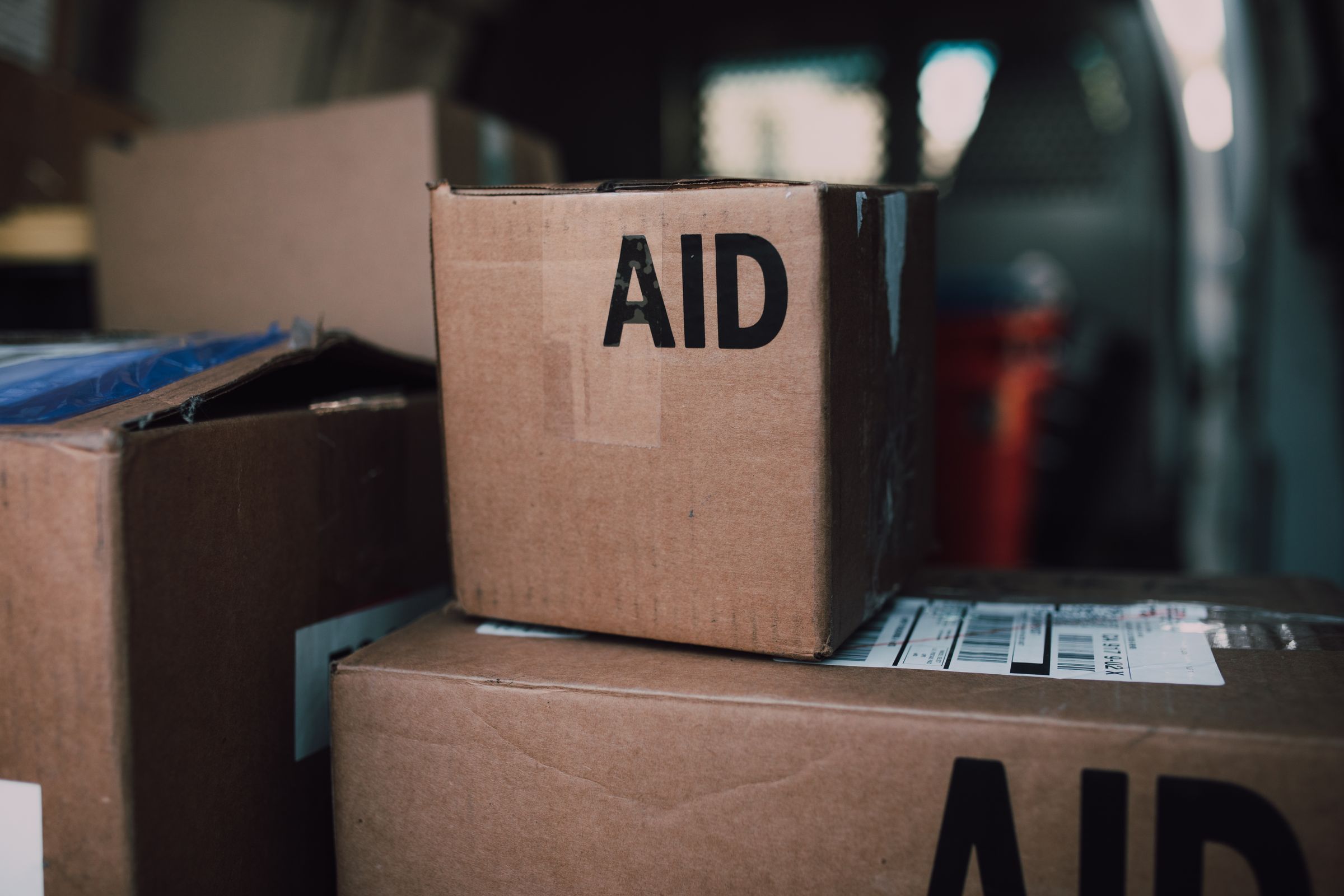
For millions of South Africans living with HIV, the question of who pays for their treatment is not an abstraction. It is the difference between a clinic visit that happens and one that does not. That question became urgent in June 2026, when the second administration of US President Donald Trump announced it would eliminate funding from the US President’s Emergency Plan for AIDS Relief (PEPFAR) for South Africa’s HIV treatment and prevention initiatives. The programme had survived the first round of cuts in 2025. It ultimately fell to the same logic.
The consequences for public health are hard to overstate. PEPFAR has been phased out gradually, unlike the abrupt shutdown of USAID, and its absence has left a void that, unless replaced, will weaken HIV/AIDS outreach, diagnoses and prevention across the country. The people most exposed are those already on the margins, who depend on sustained outreach to reach care at all. Whether a donor withdraws suddenly or slowly, the effect on the ground is the same: services that citizens rely on begin to thin out.
Additional reference context is available at https://saiia.org.za/research/aid-trade-what-will-trumps-bargain-cost-africa/.
The scale of the broader retreat puts that local impact in context. Sub-Saharan Africa was obligated $17.3 billion in aid from the United States and received nearly $16 billion in 2024. That figure has plummeted, with only about $1.3 billion obligated for 2026 so far. Supporters of the cuts argue the savings will be redirected to domestic American priorities. Critics point out that the sums are marginal in the US budget but decisive in African health budgets, where they underpin systems citizens depend on daily. Nor is this a purely American shift. The UK is slashing aid to many African countries, and several EU countries are following suit. What sets Washington apart is the speed of the change and its explicit substitution of commercial deals for humanitarian and development programming.
That substitution is where the public stake becomes sharpest. The new model, rooted in an ‘America First’ rationale, trades access to US markets and influence against minerals, data and political alignment. In the Democratic Republic of Congo, the US brokered a ‘resources-for-security’ deal. Having claimed credit for a peace agreement covering the conflict with M23, a Rwandan-backed rebel group in the east, the US is positioned to secure minerals such as coltan for its technology sector. Congolese lawyers and activists are challenging the arrangement in court, and little in its terms suggests it will raise wages or living standards. Washington claims to have brought peace to the DRC, but the fighting has not stopped. Extracting minerals in an active conflict zone is not only likely illegal but also risks further rights violations, alongside the expanding Ebola outbreak that healthcare workers are struggling to contain.
Not every government has accepted what is on offer, and their reasons speak directly to the protection of citizens. Ghana rejected a US health deal over a requirement to share sensitive health data. Zimbabwe did the same, arguing it had no guarantee of benefiting from any research breakthroughs the data might produce. Even where governments accept, courts may disagree, as a Kenyan court did in response to a US health deal. South Africa has had less room to negotiate. Washington has given it the cold shoulder, citing its case against Israel at the International Court of Justice and unsubstantiated claims of racial persecution, even genocide, against Afrikaners.
The administration offers a counterargument: recasting African states as economic ‘partners’ rather than ‘beneficiaries’ will serve the region better over time. New funding models could, in principle, support durable infrastructure rather than quick fixes, easing pressure on national budgets and freeing domestic funds for health. Whether that materialises depends on the terms African governments have so far had little hand in setting, and on a capacity for coordinated bargaining the continent has rarely exercised. Without both, the region will not become more self-reliant.
Meanwhile, the pattern so far suggests a preference for leverage over mutual benefit. The US could write fair wages, environmental protection and security guarantees into these agreements. It has not. What is presented as reciprocity is better described as transactional, and in its terms of exchange, strikingly familiar.
There are cautionary numbers for governments weighing the memoranda of understanding now being offered. In 2001, AU member states adopted the Abuja Declaration, pledging that 15% of government budgets would go to health. By 2024, the average was 7%. Tanzania has just signed a health MOU with the US that will provide $1.3 billion in aid over five years, and other African countries are set to follow suit. Before signing, governments should weigh these agreements against the risks they carry, from human rights violations to displacement and depressed wages, and against the alternative of a serious reassessment of domestic health financing. South Africa’s exposure is a warning against over-reliance on any single partner.
Alternatives do exist. Governments could adopt innovative health financing, pursue industrialisation and value addition on the continent, or negotiate agreements through the AU, bilaterally or collectively, on terms that do not undermine their own development priorities. Rejecting an unbalanced deal is hard when need is imperative, and harder when the dealmaker is as powerful as the US, yet the alternatives deserve more attention.
Africa holds a substantial share of the world’s critical mineral reserves. Transferring them to agreements set elsewhere, with little restraint, would repeat a familiar pattern. Stepping back from these agreements, at least until the political weather in Washington changes, could buy time to reduce a dependence that has left African economies vulnerable to unreliable foreign governments. For citizens across the continent, whose health systems, wages and rights hang on these choices, the calculus is simple. African governments should remain sceptical of assistance offered at the cost of sovereignty or reciprocity. For some, self-reliance, or at least less reliance on the US, is the best deal they can make.