Introduction
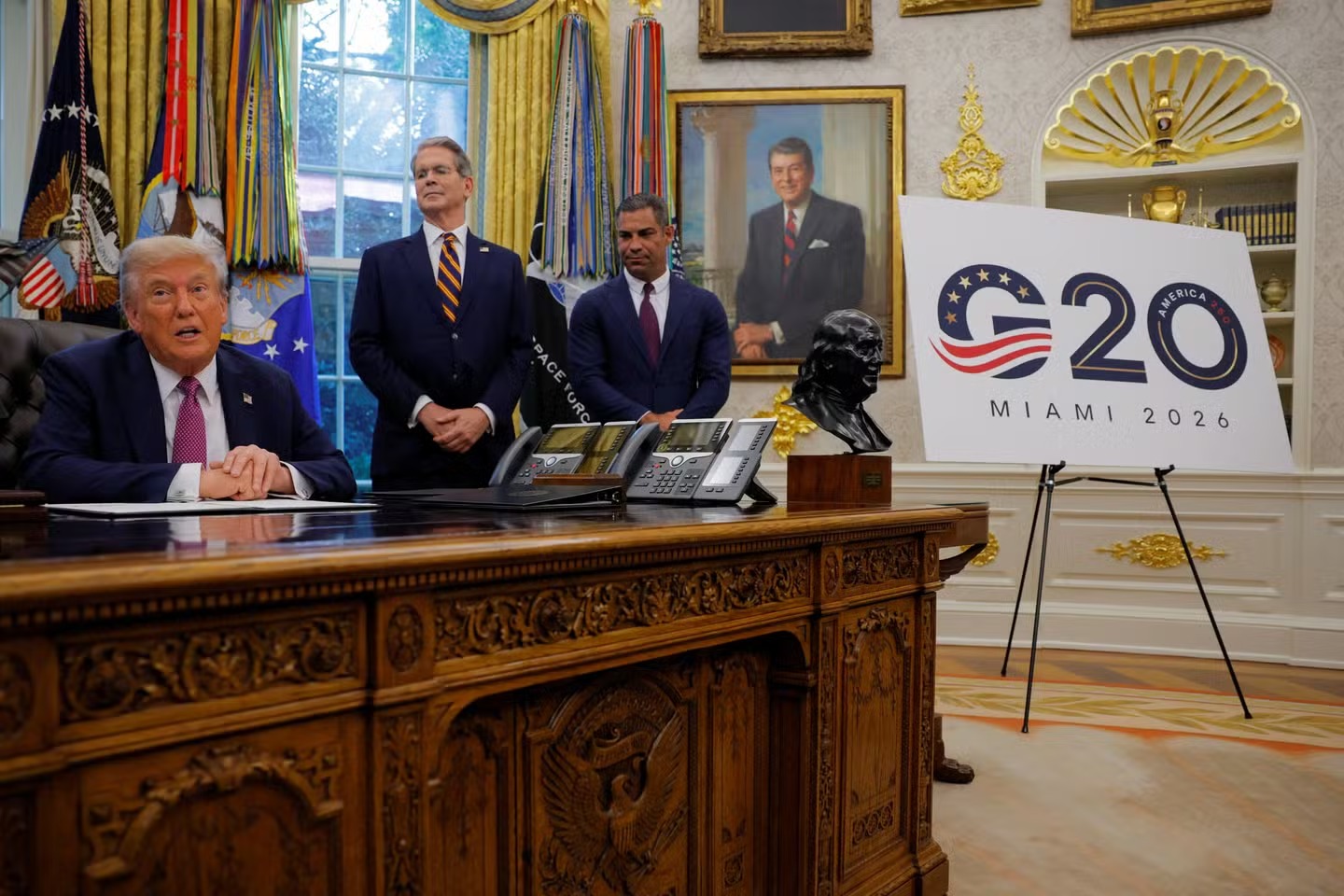
G20 Exclusion of South Africa became a major diplomatic issue when the US announced it was barring South Africa from the 2026 G20 Summit due to a protocol snub at the Johannesburg summit. This decision has sparked fierce debates on the implications of the G20 Exclusion for both US-South Africa relations and Africa’s representation in global governance. President Cyril Ramaphosa condemned the move, calling it politically motivated and harmful to international cooperation.
What Happened with the G20 Exclusion?
The G20 Exclusion of South Africa centers around a protocol dispute that arose at the Johannesburg summit in 2025. The US delegation reportedly took offense at how the South African government handled diplomatic protocols, particularly regarding the seating arrangements and recognition of the US’s contributions to South Africa’s post-apartheid recovery.
The White House later confirmed that the G20 exclusion was due to these diplomatic issues. The US delegation felt slighted by the lack of formal acknowledgment, citing the event as a critical moment for respecting diplomatic norms. President Donald Trump emphasized that the G20 exclusion was not just about seating but also a broader failure to uphold international standards.
South Africa’s Foreign Minister, Naledi Pandor, labeled the exclusion a political maneuver designed to undermine South Africa’s growing diplomatic independence. The South African government stated that it would not back down and would continue its multilateral diplomacy with other global powers.
Official Statements on the G20 Exclusion
In response to the G20 exclusion, President Trump defended his decision in a statement issued by the White House:
“The G20 exclusion of South Africa reflects the country’s failure to adhere to diplomatic standards during the Johannesburg summit. The United States remains committed to leading global conversations, but respect for protocol is essential.”
On the contrary, President Cyril Ramaphosa voiced his disapproval, calling the G20 exclusion an affront to South Africa’s sovereignty. In a public address, Ramaphosa stated:
“The United States’ decision to exclude South Africa from the 2026 G20 is unjustified and politically motivated. We remain committed to multilateralism and will not be silenced by such exclusions.”
Ramaphosa further criticized the US for undermining diplomatic relationships and for using the G20 platform to impose political will. He vowed to continue fostering relationships with other countries and international organizations.
Global and Local Reactions to the G20 Exclusion
The G20 exclusion of South Africa has sparked a strong response across the globe. African leaders have expressed their concerns, with many viewing the exclusion as a sign of Western overreach in Africa’s diplomatic affairs. Critics argue that the US’s decision reflects its growing unwillingness to respect African sovereignty and self-determination in global diplomacy.
In South Africa, the exclusion has caused a political divide. Some view the G20 exclusion as a necessary step for South Africa to assert its diplomatic independence, while others see it as a damaging blow to their international standing. There is significant concern about how the US’s move will impact South Africa’s economy and its future in global forums.
The decision has quickly gained attention on social media, with hashtags such as #G20Exclusion and #SouthAfricaDiplomacy going viral. Many Twitter users have expressed frustration with the US for undermining the democratic principles of global diplomacy, while others have criticized South Africa for its handling of the Johannesburg summit.
The Aftermath of the G20 Exclusion: What Happens Next?
1. South Africa’s Diplomatic Strategy Moving Forward
In response to the G20 exclusion, South Africa plans to intensify its engagement with emerging economies, particularly within the BRICS grouping. South Africa will focus on building stronger ties with countries like China, Russia, India, and Brazil, all of which have significant influence in the global South.
President Ramaphosa has already called for a deeper focus on regional integration, economic cooperation, and self-reliance in global governance. He intends to advocate for a reform of the G20, one that gives more representation to African nations and ensures that no country is excluded based on diplomatic disagreements.
2. The US’s Strategic Interests in Africa
The G20 exclusion has raised concerns about the US’s influence in Africa. Many African diplomats are worried that the US’s approach may alienate African nations and push them closer to China and other non-Western powers. This shift could undermine the US’s strategic interests in the region, especially in areas like trade, military cooperation, and counterterrorism efforts.
The US government’s decision to exclude South Africa from the 2026 G20 could serve as a catalyst for a reevaluation of US-Africa relations. China has already positioned itself as a major player in Africa, and the G20 exclusion may accelerate the shift towards China’s sphere of influence in the region.
3. Future of the G20: Should Countries Be Excluded Over Political Disagreements?
The G20 exclusion of South Africa brings up questions about the future of the G20 Summit and the role of political disagreements in determining who is invited. Some experts believe that excluding countries for political reasons could compromise the integrity of the G20 as a platform for global cooperation.
If diplomatic snubs begin to define who is eligible for the G20, it could lead to a fragmented international system where countries align themselves with specific global blocs. This shift could weaken the G20’s ability to address major issues such as climate change, trade negotiations, and global security.