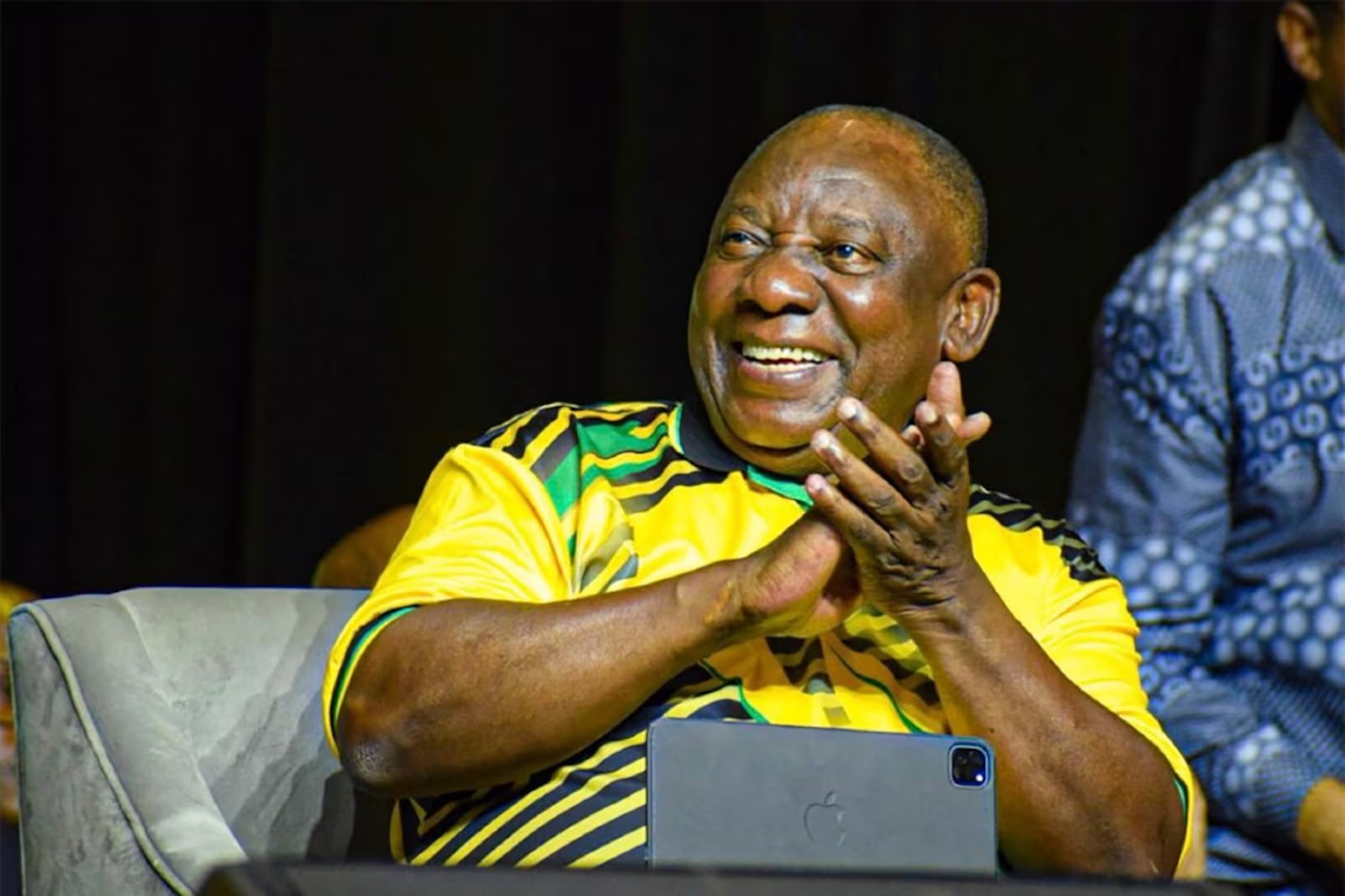
ANC Plot to Oust Ramaphosa has emerged as a significant topic within the African National Congress (ANC) following the president’s strong performance at the G20 summit. Despite his diplomatic success on the global stage, rumors have surfaced about an internal plot to remove President Cyril Ramaphosa. Senior ANC figures, including Joe Phaahla and Mondli Gungubele, have denied any involvement in such schemes. The ANC’s National Executive Committee (NEC) is currently investigating these allegations, just days before the National General Council set for December 8-12, 2025.
What Happened?
The ANC plot to oust Ramaphosa is not a new rumor, but it has gained momentum recently, especially in light of the president’s international success. Despite Ramaphosa’s strong performance at the G20 summit, which bolstered his profile globally, tensions within the ANC have sparked speculation about internal power struggles. These internal divisions are reportedly centered around leadership challenges and disagreements over governance and ethical conduct within the party.
Several factions within the ANC are dissatisfied with Ramaphosa’s handling of internal party issues, despite his international acclaim. This has given rise to rumors of a potential plot to recall him, a move that could disrupt the political landscape in South Africa.
Official Statements: What the ANC Leaders Say
In response to the circulating rumors, senior ANC figures have spoken out against the allegations. Joe Phaahla, the Minister of Health, was quick to deny any involvement in the alleged ANC plot to oust Ramaphosa, calling the claims baseless. “There is no truth to these claims. The ANC remains united in its support for the president, and we are focused on advancing our national agenda,” said Phaahla during a press conference.
Similarly, Mondli Gungubele, Minister of Public Enterprises, also dismissed the allegations. He expressed disappointment over the circulation of such rumors, urging the party to remain united rather than focusing on internal conflicts. Both leaders have made it clear that the ANC stands behind Ramaphosa as the president and as the leader of the party.
The Tensions Within the ANC: Why Does This Matter?
The ANC plot to oust Ramaphosa comes at a time when internal party divisions are already deepening. The ongoing battle between progressive and conservative factions within the ANC is becoming increasingly apparent. The party’s leadership has been questioned over its handling of national issues, particularly in light of the economic challenges South Africa is facing. As the country approaches the 2024 elections, these internal struggles could undermine the party’s position.
This is where the importance of the ANC plot to oust Ramaphosa lies—it symbolizes the party’s internal strife and leadership questions, which could hinder its ability to present a united front in the coming elections. The outcome of the NEC investigation could also significantly impact the political future of President Ramaphosa.
Reaction on Social Media: The Public’s Take
As expected, the rumors about an ANC plot to oust Ramaphosa have stirred social media debates. The public reaction has been divided, with some South Africans supporting the president and dismissing the rumors, while others have used social platforms to voice concerns about the ANC’s internal battles. Discussions around Ramaphosa’s leadership have dominated Twitter, Facebook, and other social media platforms.
The debates reflect a broader divide within the party, as critics of Ramaphosa question his leadership, while his supporters argue that the president has been unfairly targeted. Social media users have been quick to amplify the rumors, but they have also been vocal about their hopes for a more unified ANC.
What Happens Next? The Road to the National General Council
The ANC plot to oust Ramaphosa is a pressing issue as the party approaches its National General Council in December. The timing of the rumors suggests that the NEC’s investigation will be a critical moment in the party’s future. The General Council, set for December 8-12, will address key issues facing the ANC, including leadership disputes, party unity, and the party’s overall direction.
For President Ramaphosa, the outcome of the NEC’s probe could have significant implications for his leadership and political future. If the ANC can unite and resolve its internal conflicts, it may strengthen its position heading into the 2024 elections. However, if these tensions persist, the party could face even greater challenges in the coming months.
Conclusion:
As the ANC’s National General Council draws near, the ANC plot to oust Ramaphosa remains a key topic of discussion. While senior leaders have denied the rumors, the underlying tensions within the party are real and cannot be ignored. The investigation into these allegations could determine the political future of both the president and the ANC itself.
With the country watching, the ANC must decide whether to unite behind Ramaphosa and address the issues plaguing the party, or risk further division and instability. The coming weeks will be crucial for the ANC’s leadership and its ability to navigate the challenges ahead.