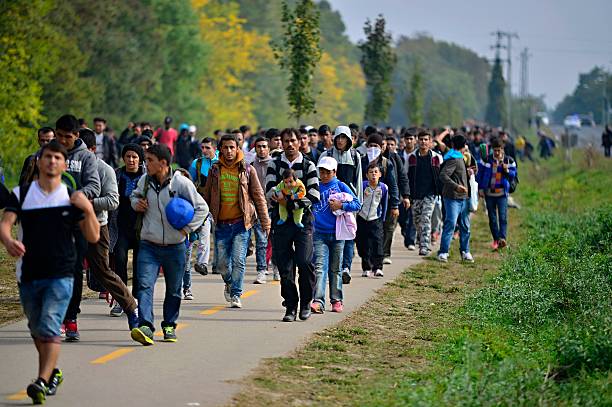
US Refugees became the focus of a growing diplomatic crisis after South African authorities raided a US-linked refugee processing center in Johannesburg, disrupting interviews of Afrikaner applicants and prompting a sharp response from Washington.
Immigration officials reportedly entered the facility without prior coordination, questioned US personnel, and intimidated applicants seeking refugee status under a program associated with former US President Donald Trump. The US State Department has since condemned the incident as “unacceptable interference,” demanding urgent clarification from Pretoria.
What Happened at the Johannesburg Facility
The raid took place at a site used to conduct interviews for South Africans applying for US refugee resettlement. According to sources familiar with the operation, South African immigration officials arrived unannounced and halted ongoing interviews.
Officials questioned US-linked staff members about the nature of the program and reviewed documentation related to refugee screening. US personnel were briefly detained for questioning before being released, while applicants were asked to leave the premises.
No arrests were made, but the operation caused immediate disruption to a sensitive humanitarian process.
Why the Refugee Center Is Controversial
The processing center is tied to a US refugee initiative that identifies Afrikaners as potential victims of persecution eligible for resettlement. This classification has long been disputed by the South African government, which maintains that Afrikaners are not subjected to systematic persecution.
Pretoria has repeatedly rejected claims that any single ethnic group faces state-sanctioned targeting, arguing that crime and economic challenges affect all South Africans.
The raid appears to reflect growing frustration within South African authorities over how the refugee program portrays domestic conditions.
US Government Condemns the Raid
The US State Department reacted swiftly, describing the raid as a violation of diplomatic norms and an inappropriate intrusion into US refugee operations.
In a formal statement, a spokesperson said the incident raised serious concerns about the safety of applicants and the integrity of refugee screening procedures. The department called on South Africa to provide a full explanation and assurances that similar actions would not be repeated.
US officials stressed that refugee processing must remain free from intimidation or political pressure.
Impact on US–South Africa Relations
The incident adds to a series of diplomatic strains between Washington and Pretoria. Relations have already been tested by disagreements over global conflicts, foreign policy alignment, and South Africa’s growing role within the BRICS bloc.
Analysts say the refugee center raid could further complicate cooperation on trade, security, and immigration matters, particularly if the dispute escalates into formal diplomatic protests.
Some observers warn that continued tensions may affect visa processing, bilateral talks, and development partnerships.
Applicants Describe Fear and Confusion
Afrikaner applicants interviewed after the incident described a tense and unsettling experience. Several said they felt intimidated by the presence of immigration officers and feared their applications could be monitored or rejected as a result.
Human rights advocates argue that such disruptions risk discouraging asylum seekers from pursuing legal refugee pathways and may violate international principles protecting applicants from coercion.
South Africa’s Legal Position
South African authorities have not yet issued a detailed public explanation for the raid. However, officials familiar with immigration enforcement say the government maintains the right to inspect any operation conducted within its borders.
Pretoria insists that foreign-linked programs must comply with national laws and regulations, regardless of their humanitarian purpose.
Government sources deny that the operation was politically motivated or targeted at applicants based on ethnicity.
International and Regional Implications
The raid has drawn attention from international observers, with some warning it could set a troubling precedent for humanitarian cooperation across the region.
Experts say refugee programs depend heavily on trust between host governments and international partners. Any perception of interference could undermine future resettlement initiatives in Africa.
What Happens Next
- Diplomatic discussions between US and South African officials are expected
- Refugee interviews remain temporarily paused
- Clarifications on legal authority may be issued
- Possible policy adjustments on both sides
Further developments are likely as both governments attempt to manage the fallout.
Conclusion
The Johannesburg raid has turned US Refugees into the center of a broader diplomatic confrontation, highlighting how humanitarian programs can become entangled in geopolitics. As Washington seeks answers and Pretoria defends its authority, the outcome may shape the future of refugee cooperation between the two nations.