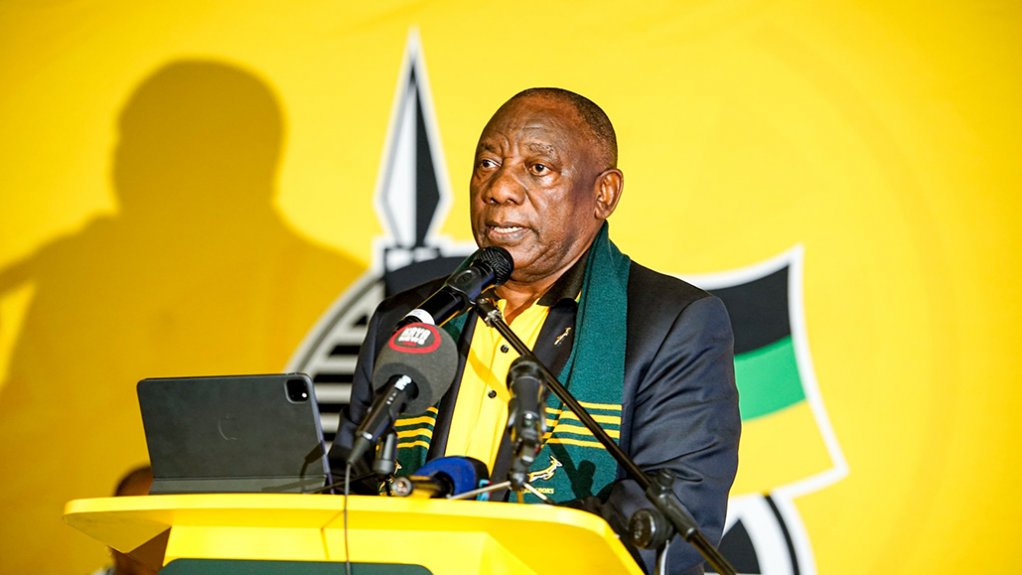
South Africa’s ruling party is facing an escalating ANC Crisis as President Cyril Ramaphosa prepares to face a no-confidence vote in parliament. The development highlights deepening factional divisions within the ANC, raising questions about the party’s ability to maintain political stability and governance effectiveness amid growing public dissatisfaction.
The vote, which could reshape the political landscape, comes as the ANC navigates internal disputes over leadership, corruption allegations, and policy direction.
What Happened?
Parliament has scheduled a no-confidence vote against President Ramaphosa after a faction within the ANC and opposition parties pushed for the motion. The vote reflects increasing tension within the ruling party, which has been struggling with internal conflict for months.
The ANC Crisis has intensified following recent allegations and political disagreements that have eroded trust among senior party members. If the vote passes, it could lead to significant political upheaval and potentially trigger leadership changes.
Why the No-Confidence Vote Matters
A no-confidence vote is a constitutional mechanism used to test whether the sitting president retains the support of parliament. In this case, the motion not only tests Ramaphosa’s leadership but also the ANC’s internal cohesion.
Political analysts say the vote is significant because:
- It could weaken Ramaphosa’s authority even if he survives
- It exposes deep divisions within the ANC
- It could prompt a leadership reshuffle or early elections
The outcome could also influence investor confidence and economic stability.
Factional Divisions Driving the ANC Crisis
The ANC Crisis is rooted in factional battles between supporters of President Ramaphosa and rival groups within the party. These divisions have been fueled by:
- Corruption allegations involving senior officials
- Disagreements over economic policy
- Power struggles ahead of upcoming party conferences
- Public dissatisfaction with service delivery and unemployment
Observers say the party’s internal disputes are spilling into public governance, weakening the ANC’s ability to govern effectively.
Official Statements and Political Response
In response to the no-confidence motion, ANC leaders have called for unity and calm. The party has stressed that internal processes are ongoing and that the ANC remains committed to serving the public.
Opposition parties have seized the opportunity to criticize the ANC, arguing that the party’s internal conflicts are harming governance and undermining public trust.
The president’s office has stated that Ramaphosa remains focused on delivering policy outcomes despite the political turmoil.
Impact on Governance and Policy
The ANC Crisis could have significant implications for policy implementation and government stability. Political uncertainty may delay key reforms, including:
- Economic recovery plans
- Energy sector reforms
- Anti-corruption measures
- Job creation strategies
Analysts warn that prolonged instability may reduce investor confidence and increase market volatility.
Market and Economic Implications
The no-confidence vote has also triggered market concern, as investors monitor political stability and policy continuity. South Africa’s economy is sensitive to political risk, and any perceived instability could affect:
- The rand’s exchange rate
- Foreign investment inflows
- Government bond yields
- Business confidence
Financial experts say that a prolonged ANC Crisis could undermine economic recovery efforts.
Reaction on Social Media
Social media platforms saw heightened discussion as the ANC Crisis became a trending topic. Citizens expressed frustration over governance issues, while supporters called for party unity and due process.
Online debates focused on whether the no-confidence vote is politically motivated or necessary for accountability.
What Happens Next?
The key next steps in the ANC Crisis include:
- The parliamentary vote and its outcome
- Internal party negotiations and potential leadership changes
- Response from opposition parties
- Possible shifts in policy direction
Political analysts say the outcome could shape the ANC’s future direction and influence South Africa’s political stability.
Conclusion
The ANC Crisis has deepened as President Ramaphosa faces a no-confidence vote, highlighting factional divisions and governance challenges within the ruling party. The outcome of the vote will have significant implications for political stability, policy implementation, and investor confidence, making it a critical moment for South Africa’s political landscape.