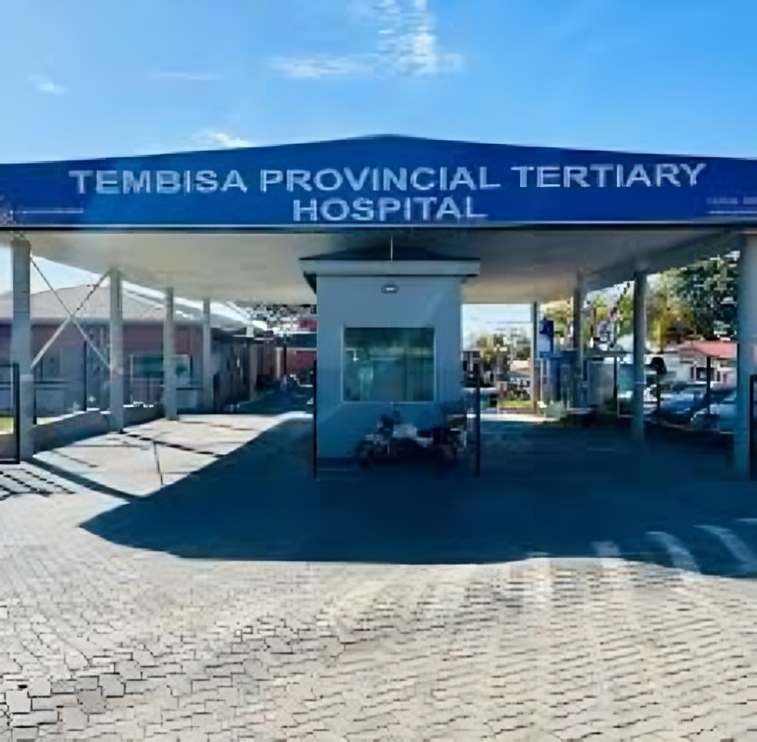
Hospital Corruption allegations at Tembisa Hospital have taken a decisive turn as two men linked to the scandal prepare to appear in court on Friday. The court action follows the recovery of R13.5 million by the Special Investigating Unit (SIU) from former hospital official Zacharia Tshisele.
The developments mark a significant escalation in the investigation into alleged procurement irregularities and financial misconduct at one of Gauteng’s major public healthcare facilities.
Authorities say the case highlights the growing crackdown on corruption within South Africa’s public health sector.
What Happened at Tembisa Hospital?
The scandal centers on alleged irregular payments and procurement processes at Tembisa Hospital. According to investigators, contracts may have been awarded improperly, with inflated pricing and questionable approval processes.
The SIU’s probe uncovered transactions that raised red flags during forensic audits. Officials suspect that internal controls were bypassed, allowing certain service providers to benefit unlawfully.
The two accused men expected in court are believed to have played roles connected to these financial dealings. While the full charge sheet has not yet been publicly detailed, the case is expected to involve allegations of fraud, corruption, and violations of public finance regulations.
The investigation forms part of broader efforts to root out hospital corruption across provincial health departments.
SIU Recovery of R13.5 Million
One of the most striking elements of the case is the recovery of R13.5 million from former official Zacharia Tshisele.
The SIU, empowered to institute civil action alongside criminal referrals, moved to recover funds believed to have been improperly obtained. Legal processes enabled the state to reclaim the money before the conclusion of the criminal trial.
Anti-corruption experts say asset recovery is a powerful tool in cases of hospital corruption because it:
- Immediately restores lost public funds
- Limits further financial damage
- Sends a strong deterrent message
- Strengthens ongoing prosecutions
The recovery does not conclude the criminal aspect of the case. Instead, it runs parallel to criminal proceedings expected to unfold in court.
Impact on Public Healthcare
Corruption in hospitals carries consequences far beyond financial losses.
Public healthcare facilities like Tembisa Hospital serve thousands of patients each month, many of whom rely entirely on state-funded services.
When funds intended for:
- Medical equipment
- Infrastructure upgrades
- Emergency supplies
- Staffing needs
are diverted, the quality of patient care inevitably suffers.
Healthcare advocacy groups argue that hospital corruption undermines not only operational efficiency but also public confidence in state institutions.
Residents in Tembisa have expressed frustration that alleged misconduct may have contributed to service delivery challenges in recent years.
Legal Proceedings: What Friday Means
Friday’s court appearance is expected to clarify several key issues:
- The exact charges facing the accused
- Bail applications, if any
- The scope of evidence gathered
- The timeline for trial proceedings
Legal analysts note that complex financial crimes often involve extensive documentation, forensic accounting reports, and multiple witnesses.
The prosecution may argue that the alleged misconduct involved deliberate manipulation of procurement systems.
Defense representatives, on the other hand, are expected to challenge the strength of the evidence and procedural aspects of the investigation.
The outcome of initial proceedings will determine how quickly the case advances to trial.
Governance and Oversight Questions
The hospital corruption case has also sparked renewed debate about governance structures within provincial health departments.
Experts say systemic weaknesses often enable corruption to flourish, including:
- Weak procurement controls
- Limited transparency in emergency purchasing
- Inadequate oversight mechanisms
- Insufficient consequence management
In response to growing scrutiny, provincial authorities have indicated that governance reviews and strengthened compliance systems are being implemented.
Restoring integrity in procurement processes is seen as essential to preventing similar scandals in the future.
Public and Political Reaction
The unfolding case has drawn attention from civil society organizations and political observers.
Anti-corruption groups have welcomed the SIU’s recovery of funds, describing it as evidence that enforcement mechanisms are working.
Community leaders in Gauteng have called for swift and transparent prosecution, emphasizing that justice must be visible to rebuild trust.
On social media platforms, public reaction has ranged from outrage to cautious optimism, with many citizens demanding broader investigations into hospital procurement practices nationwide.
Broader Anti-Corruption Context in South Africa
South Africa has intensified efforts to combat public sector corruption in recent years.
The SIU has been tasked with probing multiple departments and institutions where irregular expenditure has been flagged.
Hospital corruption cases have received particular attention because healthcare services are considered essential and directly impact vulnerable communities.
Legal scholars note that successful prosecutions in cases like Tembisa’s can:
- Strengthen deterrence
- Encourage whistleblowing
- Improve governance standards
- Reinforce public accountability
The Tembisa matter could therefore serve as a benchmark for future enforcement actions within the healthcare sector.
What Happens Next?
Following the court appearance, several scenarios may unfold:
- Formal indictment and trial scheduling
- Additional arrests if further suspects are implicated
- Expanded asset recovery efforts
- Disciplinary proceedings within the health department
Investigations are reportedly ongoing, suggesting that more developments could emerge in the coming weeks.
Authorities have indicated that they remain committed to pursuing all individuals involved, regardless of position or influence.
Restoring Public Confidence
Perhaps the most important question surrounding the hospital corruption case is whether it will lead to meaningful reform.
Public hospitals operate as lifelines for millions of South Africans. Ensuring that funds are used transparently and efficiently is critical to maintaining healthcare standards.
Experts argue that accountability must be accompanied by structural reform. Strengthened auditing systems, transparent tender processes, and consistent oversight are essential safeguards.
For residents who depend on Tembisa Hospital, the hope is that legal accountability will translate into improved services and renewed trust.
Conclusion
The hospital corruption case at Tembisa Hospital has entered a pivotal phase as two accused individuals prepare to face court scrutiny.
With R13.5 million already recovered by the SIU from Zacharia Tshisele, authorities have demonstrated tangible progress in reclaiming public funds.
However, the legal process is just beginning. Friday’s proceedings may set the tone for what could become a landmark corruption case in South Africa’s healthcare sector.
As investigations continue, the case underscores a broader national challenge: protecting public resources and ensuring that healthcare institutions serve communities with integrity and accountability.