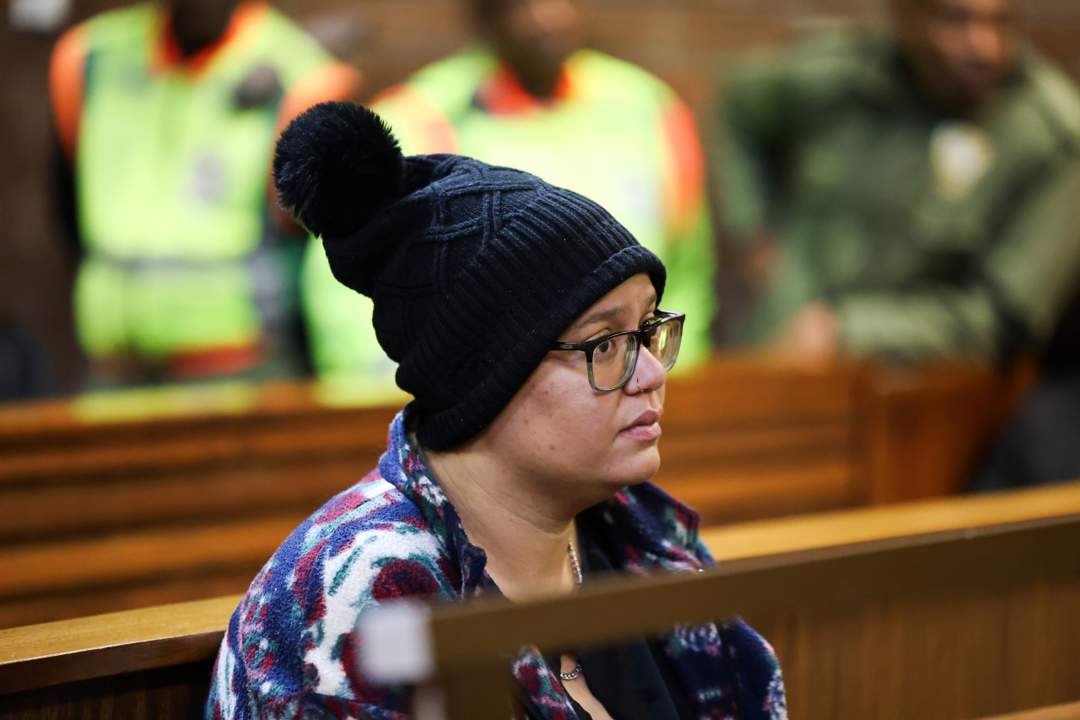
Tiffany Meek, a 31-year-old woman accused of murdering her own son, is preparing to present a plea proposal to prosecutors, a move that could significantly alter the direction of the high-profile criminal case.
According to court developments, Meek’s legal team intends to submit the proposal as part of negotiations with the State. The development suggests the defense may be seeking a potential plea agreement rather than allowing the case to proceed directly to a lengthy trial.
Meek currently faces multiple serious charges, including murder, crimen injuria, and attempting to defeat the ends of justice. The case has captured public attention across South Africa due to the disturbing nature of the allegations and the tragic circumstances surrounding the death of her child.
What Happened in the Tiffany Meek Case?
The criminal case involving Tiffany Meek began after the death of her young son under circumstances investigators described as suspicious.
Authorities launched an investigation soon after the child was found dead, with forensic teams examining the scene and gathering evidence. After reviewing the findings, law enforcement officials arrested Meek and formally charged her in connection with the child’s death.
Prosecutors allege that the boy died as a result of actions taken by his mother. While the investigation details have not been fully disclosed in public court proceedings, authorities say the available evidence indicates the incident occurred while the child was under Meek’s care.
Beyond the murder charge, prosecutors also accuse Meek of engaging in actions meant to interfere with the investigation that followed the death.
These allegations led to additional charges that have complicated the case and increased the potential legal consequences if she is convicted.
Understanding the Charges
The most serious charge Tiffany Meek faces is murder, which in South African law carries severe penalties if proven in court.
However, the case also includes other legal accusations.
One of these is crimen injuria, a criminal offense recognized in South African law that refers to unlawfully violating the dignity or privacy of another person. Although it is less severe than murder, it is still considered a serious offense.
Another charge against Meek is attempting to defeat the ends of justice, which generally involves actions intended to obstruct or mislead a criminal investigation.
Prosecutors typically use this charge when they believe a suspect attempted to hide evidence, provide false information, or interfere with the investigative process.
Together, these charges create a complex legal case that may require extensive courtroom proceedings if it moves forward to trial.
What Is a Plea Proposal?
A plea proposal, commonly known as a plea bargain, is a legal arrangement where a defendant offers to plead guilty to certain charges or agrees to specific conditions in exchange for a reduced sentence or modified charges.
In criminal justice systems around the world, plea agreements can help resolve cases more quickly while still ensuring accountability.
For defendants, entering a plea agreement can sometimes reduce the uncertainty of a trial and limit the severity of potential penalties.
For prosecutors, accepting a plea deal may guarantee a conviction without requiring a lengthy court process that could involve numerous witnesses, expert testimony, and emotional courtroom proceedings.
In the Tiffany Meek case, the exact terms of the proposed plea have not yet been made public. It remains unclear whether the defense intends to plead guilty to specific charges or negotiate a reduced sentence.
What Prosecutors Will Evaluate
Before agreeing to any plea proposal, prosecutors must carefully review several key factors.
One of the most important considerations is the strength of the evidence. If prosecutors believe the evidence strongly supports a conviction at trial, they may choose to reject a plea deal and proceed with the case in court.
Another major factor is the seriousness of the alleged crime. Cases involving the death of a child are treated with particular gravity, and prosecutors often face strong public expectations to pursue full accountability.
Victims’ rights and the impact on the family are also taken into account. Courts and prosecutors often consider whether a plea agreement appropriately reflects the seriousness of the offense.
Ultimately, prosecutors must determine whether any proposed deal would serve the interests of justice.
Public Attention and Reaction
The Tiffany Meek case has sparked widespread public interest across South Africa.
Incidents involving alleged violence against children often generate intense emotional reactions, and this case has been closely followed by local communities, advocacy groups, and the media.
Many citizens have expressed concern about child safety and the importance of ensuring justice for young victims.
Some members of the public believe that a full trial would provide transparency and allow the facts to be fully examined in court. Others say that if a plea agreement leads to a conviction and an appropriate sentence, it could still represent justice for the victim.
The strong public reaction reflects broader concerns about domestic violence and child protection in South Africa.
Possible Outcomes of the Case
The plea proposal submitted by Tiffany Meek’s legal team does not automatically mean that a deal will be reached.
Several possible outcomes remain.
If prosecutors accept the proposal, the case could move toward a plea agreement hearing, where the details of the arrangement would be presented to a judge.
The court would then review the agreement to ensure that it is lawful and fair before approving it.
If prosecutors reject the proposal, the case will likely proceed to trial. During a trial, both the prosecution and defense would present evidence, call witnesses, and argue their positions before the court.
Trials in complex murder cases can take months to conclude and often involve detailed forensic analysis and testimony from investigators and experts.
What Happens Next in the Legal Process
The next stage of the case will likely involve discussions between Meek’s defense team and state prosecutors regarding the proposed plea arrangement.
If negotiations continue, both sides may work to determine whether an agreement can be reached that satisfies legal standards and reflects the seriousness of the charges.
If no agreement is reached, the court will schedule further proceedings as the case moves toward trial.
For now, the legal process remains ongoing, and the court will ultimately determine the next steps based on the outcome of these negotiations.
Conclusion
The Tiffany Meek case remains one of the most closely watched criminal proceedings in South Africa due to its tragic circumstances and serious allegations. The decision by Meek’s legal team to submit a plea proposal introduces a new development that could potentially reshape the course of the case.
Whether prosecutors accept the proposal or move forward with a full trial, the outcome will carry significant legal and social implications. As court proceedings continue, many people across South Africa will be following the case closely, hoping that the justice system will provide clear answers and accountability in the death of the young child.