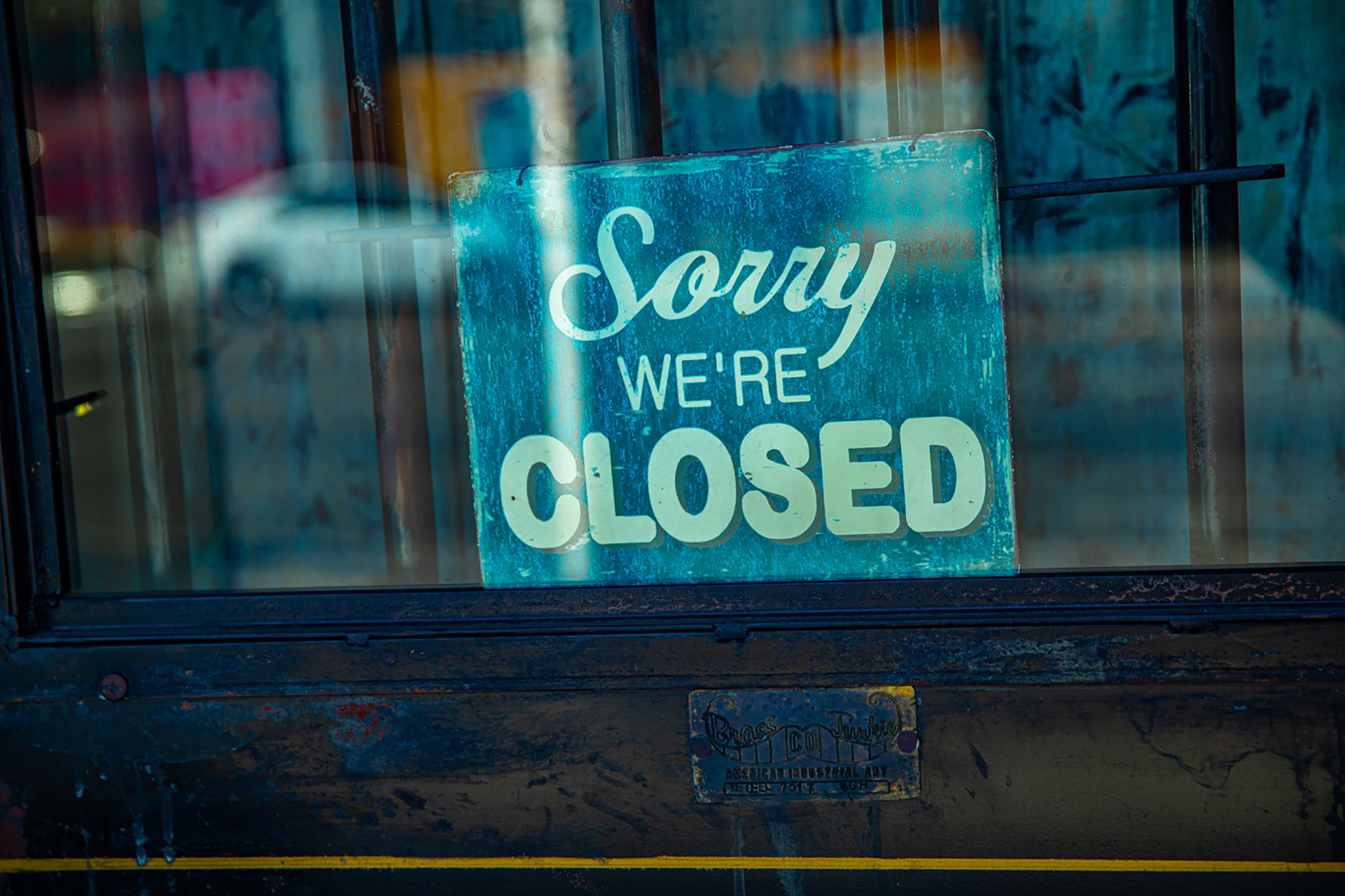
TFG, the South African retailer behind Foschini, Sportscene, Markham and Jet, is pressing ahead with a second wave of store closures and cost reductions, extending an operational clean-up that has already removed 120 underperforming outlets from its African network in the six months to September 30.
The plan is concrete: shut a further 60 to 80 stores in the second half of the business year, streamline operations, lift profits and returns, and release capital tied up in weak sites. Chief Executive Anthony Thunstrom told analysts that nearly half of the stores closed in the first half sat in distressed central business districts, which shoppers have abandoned in favour of malls and convenience-focused retail centres in South Africa.
The mechanics are producing measurable results. TFG estimates that around 20% of sales from closed stores shift to nearby sister stores or to its Bash online platform, reducing occupancy costs while raising productivity across the remaining network. The closures released 190 million rand ($11.51 million) in working capital. That feeds a wider cost-reduction drive which removed 257 million rand of costs in the first half and is expected to cut a further 222 million rand in the second half. On a 12-month run-rate basis, Thunstrom said, the programme should generate 850 million rand in savings and deliver a profit benefit of about 543 million rand.
The financial backdrop explains the urgency. Headline earnings per share fell 6.8% to 272.8 South African cents, while group retail sales slipped 0.4%. Shares, down 34% so far this year, rose 6.5% to 54.75 rand by 1316 GMT following the update.
Meanwhile, the turnaround reaches well beyond South Africa. In the group’s international operations, subdued consumer spending and heavy discounting have continued to weigh on performance, and Thunstrom told Reuters that the British and Australian businesses are also closing underperforming stores, cutting overheads and concentrating resources on stronger brands and locations.
Australia has absorbed about 6.5% to 7% of store closures over the past year, plus roughly 10% in head-office costs. The group is also repositioning menswear chain Tarocash, one of its worst-performing brands, after changes to its leadership team. “We’re starting to see some signs of improvement,” Thunstrom said.
In Britain, the retailer is overhauling womenswear brand Phase Eight, hurt by declining department store sales. The fix involves simplifying the product range, resizing the business and shifting more customers toward TFG’s own stores and online channels.
Taken together, the closures, cost cuts and brand revamps amount to a deliberate reshaping of the store network on two continents, freeing capital from weak locations and concentrating it where the business performs. The company’s own figures suggest the approach is beginning to pay for itself. Whether the second-half closures and the international repositioning deliver the expected 543 million rand benefit will be the measure by which the programme is judged.