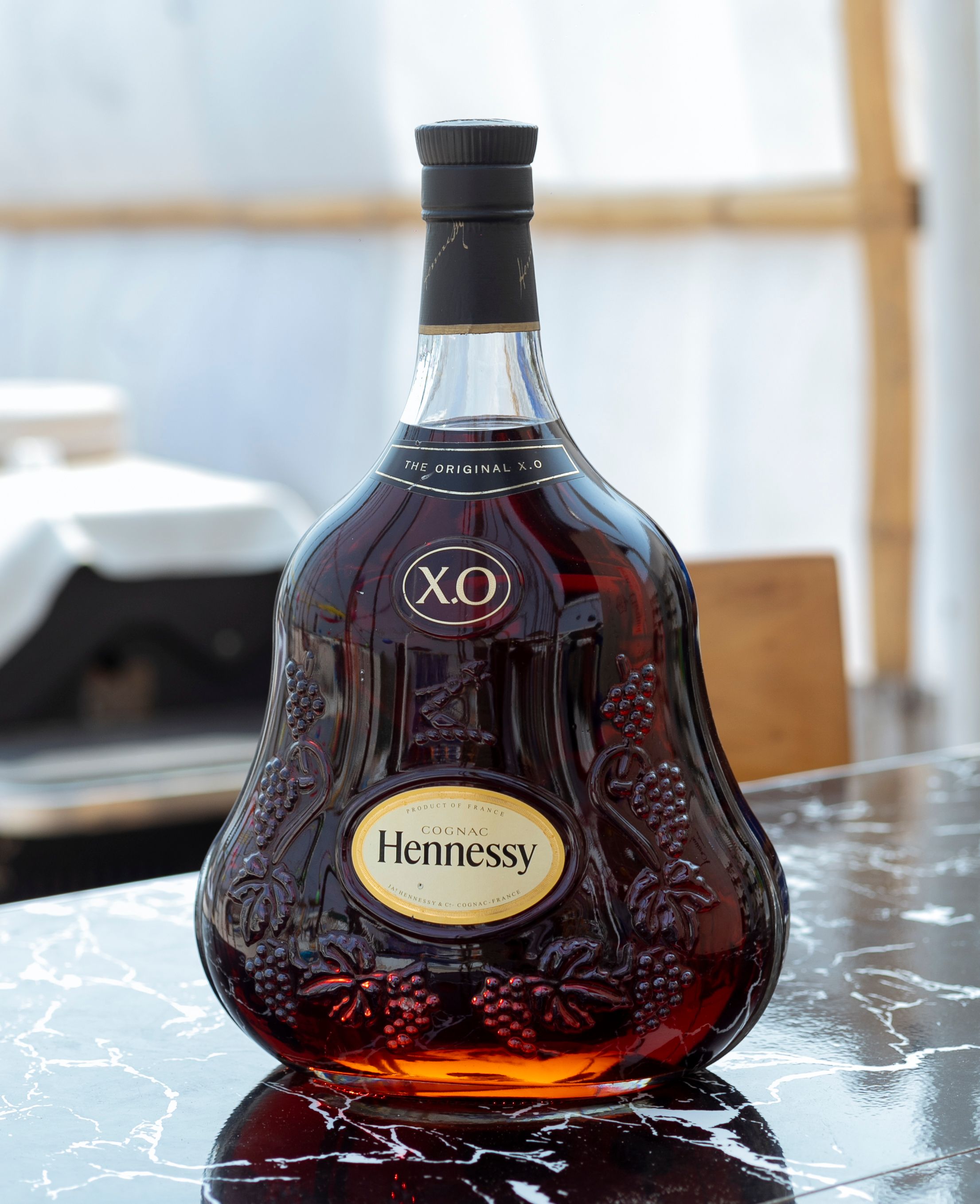
When Roxanne Read stepped behind the bar at the Hennessy MyWay Global Finals in Cognac, France, she carried more than a shaker and a cocktail spec. She carried the stories of a country, and she carried them at a moment when the world is paying closer attention to what African bartenders have to say.
Hennessy MyWay is a global cocktail-making competition built around creativity, innovation and the art of mixology. It asks bartenders to push the boundaries of what a drink can be, testing their technical skill, their originality and their ability to bring the Hennessy brand to life through unique serves and storytelling. Beyond the trophies, the platform exists to give emerging mixological talent international recognition, a global community of peers, and a world stage for their craft. For South Africans, whose hospitality industry employs and sustains so many, that kind of exposure matters.
Read’s path to the finals began the way most of her competitions do, with competitiveness and the thrill of a brief. “I love being given a spirit and the freedom to ask, ‘Okay, but what would I do with this?’” she says. For her, cocktail creation has never been only about making something delicious. “It’s craft, it’s art, it’s performance, it’s storytelling. It’s a way of saying, ‘This is how I see the world.’”
Winning the first round changed the scale of the thing. She realised she had a platform, backed by what she describes as the most prestigious Maison in the world, and she dove into Hennessy’s history, finding a brand with a long relationship with artists and creative expression. Having grown up performing on stage, she saw the bar as her own stage, and the fit felt natural.
The Africa round, she says, knocked her sideways in the best possible way. She had underestimated the talent and creativity across the continent, and meeting competitors determined to share their stories reminded her of the power of the platform. Different places, same desire: to put something deeply personal into the work and let the world experience it.
Representing South Africa also forced a question about identity. “What does it really mean to be South African?” The answers, she found, were everywhere, in the music, the food, the humour, the traditions, the resilience, and the way people gather and tell stories. The journey deepened a pride she thought she already fully understood.
Her recognition as one of Africa’s next mixology icons carries particular weight given her nearly 20 years in an industry historically dominated by men. For the first half of her career, she believed she had to be harder, stronger, faster and better than the men around her simply to earn her place. The title, she says, is a reminder that she has the experience, the voice and the craft to stand behind the responsibility that comes with it. More than that, the timing feels right. She wants to help create a space where the women coming after her do not have to fight quite so hard to find theirs.
A turning point came when judges asked why Hennessy, why not another cognac. The question sent her into the brand’s history and philosophy of transformation, and just as deeply into her own story. Until then she had made a great drink and built a story around it. Suddenly the story mattered so much that she hoped the cocktail was good enough to stand alongside it. If the story does not mean something, she reasons, the cocktail is just a cocktail. When the two belong together, the craft becomes bigger than what is in the glass.
Her South African identity runs through her work whether or not she is creating for an international stage. She describes the country less as a melting pot than as a very big table with room for everybody, a place of contradictions where people still stop to ask a stranger how the day is going. Nothing captures that for her like a braai, where friends become family, strangers become friends, and everybody has a place. The smell of braai smoke returns often in her cocktails because it represents belonging rather than mere flavour. Pineapple and lychee hit differently here than elsewhere, she says, and biltong remains the ultimate olive branch, passed around a fire until everyone is reaching in and chatting.
Meanwhile, the global attention on African cocktail culture keeps growing. She points to extraordinary raw ingredients, strong local products and a great deal of creativity, along with a growing recognition that hospitality, distilling and cocktail creation can be serious crafts, careers and businesses. Technology and access to global techniques are sharpening skills, but she insists that learning from the world does not mean copying it. Resourcefulness, born of not always having the opportunities, equipment, funding or technical knowledge available in other markets, is part of what makes African bartenders distinctive, along with humour and the ability to hold space for each other when life gets hard.
Her message to aspiring bartenders at home is that hospitality is about seeing, hearing and understanding people. It is not just an after-school job; it is a craft that asks for heart, soul and a willingness to keep learning. Her warning is against chasing overseas trends at the expense of identity. South Africa has its own people, products, terroirs and stories, and the world is starting to look. Whatever goes into the glass, she says, should come from somewhere authentic.
For those hosting this festive season, she recommends The Sesi Summer Cup, built on the warmth of honeybush tea and freshly squeezed naartjies, finished with lemonade and South African Méthode Cap Classique. Fill a large white wine glass with ice, add 25 ml Hennessy VS, 15 ml homemade honeybush syrup, 25 ml fresh naartjie juice and 5 to 10 ml fresh lemon juice, stir gently, top with 30 ml lemonade and about 60 ml of Graham Beck Brut MCC, then garnish with a naartjie wheel, rosemary or a citrus twist. For the syrup, brew two honeybush tea bags in 200 ml of hot water for 8 to 10 minutes, stir in 200 g of sugar until dissolved, cool and refrigerate. No shaker or professional setup required, just a few ingredients, a wine glass and good company.