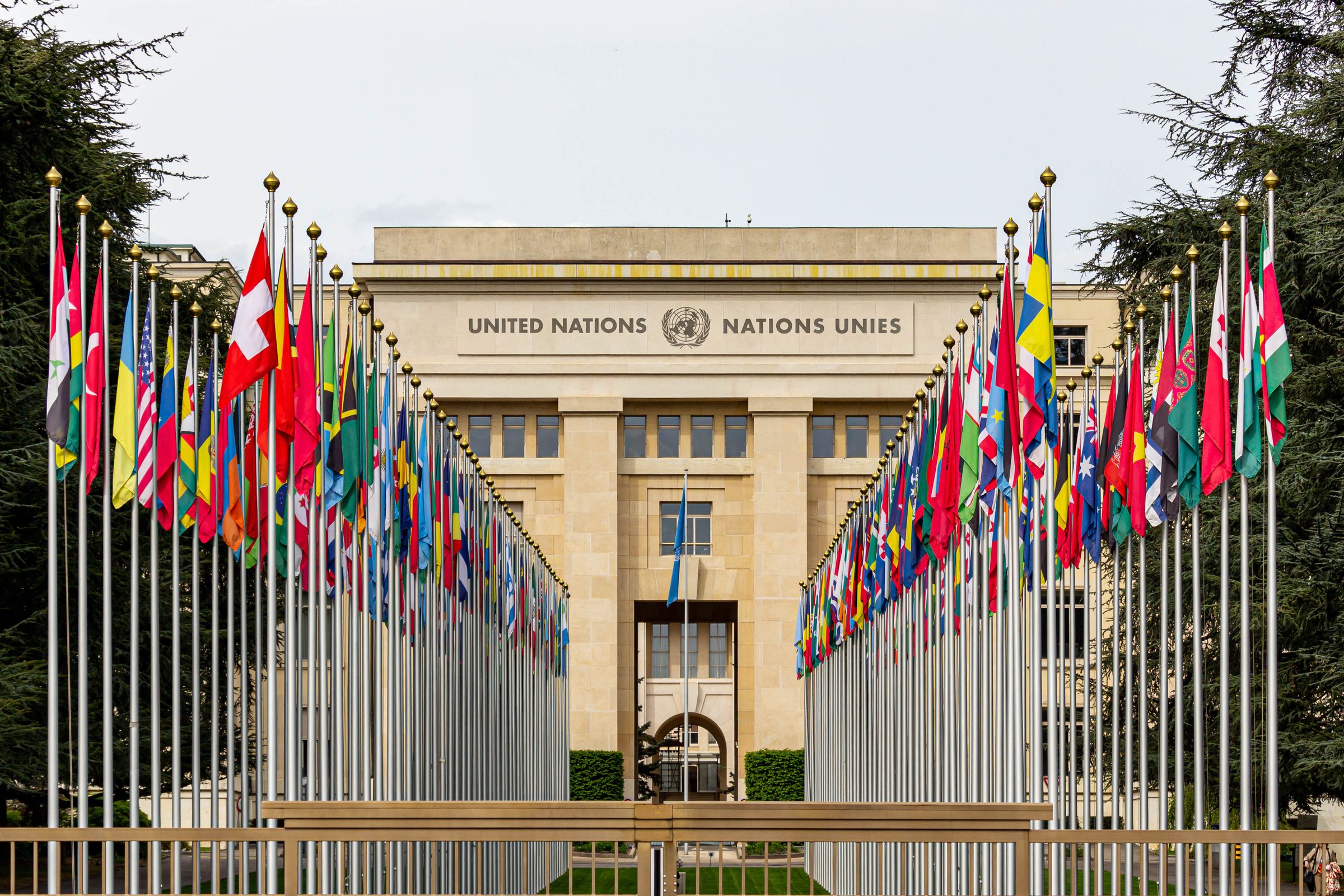
Day three of COP 31 opened with the Turkish government confirming the scale of the summit’s diplomatic weight: 102 leaders from 95 countries and seven international organisations are expected at the UN’s COP31 Climate Change Conference in Türkiye, drawing participants from six continents. For an audience tracking institutions and mandates, the roster matters. African participation is substantial, with Botswana, Burundi, Algeria, Eswatini, Ethiopia, Ivory Coast, Gabon, Guinea-Bissau, Comoros, the Republic of the Congo, the Democratic Republic of the Congo, Lesotho, Libya, Madagascar, Mali, Mauritania, Mozambique, Rwanda, Seychelles, Somalia, Sudan, Tanzania, Togo, and Zimbabwe among those present.
The accountability question sat at the centre of the day’s proceedings. UN Secretary-General Antonio Guterres used his address to the plenary to confront the fossil fuel industry directly, declaring that “fossil fuels must go the way of the dinosaurs”. He drew a pointed distinction between the two: dinosaurs, he noted, did not have a lobby, while fossil fuels do. His prescription was institutional rather than rhetorical. Governments, he said, should tax the windfall profits of oil giants to fund climate justice, under the maxim that “polluters must pay”.
African representation on the ground carried a consistent demand through the High-Level Summit. Ghana’s Minister of State for Climate Change and Sustainability, Seidu Issifu, pressed forcefully for climate finance justice, articulating a position that went beyond the usual summit language. The message from the continent, as voiced at the summit, is that empty declarations are no longer survivable. True climate justice, in this framing, means delivering grants rather than debt, making corporate polluters pay, and ensuring a fast and fair energy transition for Africa.
Some African heads of state, including Kenya’s, dropped off the final speaking roster, even as the continent’s representation on the ground remained uncompromising in its demands.
Meanwhile, momentum is building around a specific policy instrument. The “35-by-35” global electrification pledge, first discussed in Bonn and at the sidelines of the UN General Assembly in New York, has gathered high-level political support. Its relevance to governance lies in what it asks of national institutions. African countries, endowed with enormous potential to generate renewable energy, are being urged to enhance their national energy plans and to link up with international partners and funders to attract the money needed to implement electrification plans.
The stakes are concrete. More than 600 million people in Africa currently have no access to electricity, and an accelerated electrification agenda would address that energy crisis directly. An electric future is presented as fundamental to the continent’s energy transition, displacing fossil fuels and deploying renewable energy sources in their place. Advocates stress that electrification is not just a buzzword: it means more homes, schools, hospitals, cars, buses, trains and streets powered by electricity that is accessible, affordable and reliable.
Taken together, the day’s developments frame the summit’s central tension. On one side, office-holders and multilateral leadership are calling for enforceable mechanisms, from windfall taxes on oil giants to grant-based climate finance. On the other, the pledges now gaining traction, including the electrification commitment, will be judged by whether national plans and international funding arrangements actually follow. The speeches, as African delegates made plain, are important; the action required behind the scenes is what will determine whether COP 31 delivers.