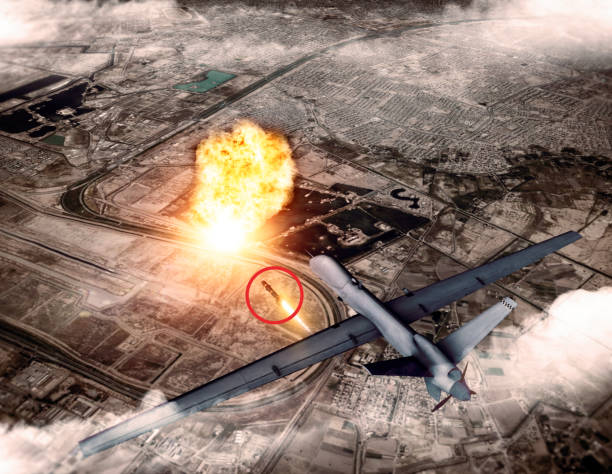
South Africa / International — February 4, 2026: The United States military successfully shot down an Iran Drone on Tuesday after it approached a U.S. aircraft carrier in international waters. Officials described the operation as an act of self-defence, emphasizing the potential threat the drone posed to personnel and critical military assets.
The incident has heightened regional tensions, drawing attention from allies and neighboring countries, including South Africa, which monitors international security developments closely.
What Happened?
The Iran Drone was detected near the carrier during routine naval operations. According to military reports, the drone’s approach was considered hostile, prompting immediate defensive action.
“The safety of our personnel and assets is our top priority,” a U.S. Navy spokesperson said. “The drone was neutralized in accordance with international law and self-defence protocols.”
The carrier and accompanying fleet were not damaged, and no personnel were injured. However, the incident underscores the increasing frequency of drone-related threats in strategic maritime regions.
Why It Matters
Analysts warn that the incident represents a new era of drone warfare, where unmanned aerial vehicles can challenge military assets without direct human engagement. Key implications include:
- Escalating US-Iran Tensions: This marks another flashpoint in a series of confrontations between the two nations.
- Regional Security Risks: Neighboring countries, including South Africa, are closely monitoring the situation for potential escalation.
- Military Preparedness: The incident highlights the U.S. Navy’s readiness to respond swiftly to drone threats.
“Drones add a new layer of complexity to regional security,” said international defense analyst Thabo Mokoena. “Civilian and military actors alike must adjust to these emerging threats.”
Official Statements
The U.S. Department of Defense confirmed the incident and emphasized that the Iran Drone was engaged solely because it posed a direct threat.
- US Navy Statement: “The drone was approaching the aircraft carrier in a manner consistent with surveillance or potential attack. Our actions were strictly defensive.”
- Iranian Response: Iran has yet to issue an official comment, though state media has referred to similar incidents as part of “routine operations.”
Military experts note that such encounters are common in strategic waterways but can quickly escalate if mismanaged.
Impact on Regional Security
The strike has implications beyond the immediate incident. Analysts point out:
- Increased Naval Vigilance: Regional navies, including South Africa’s allies, may increase patrols and monitoring of drone activity.
- Potential Retaliation: The risk of further confrontations with Iranian forces remains, especially in the Persian Gulf and surrounding regions.
- Global Attention: The international community is watching how the U.S. and Iran handle such incidents, as they may influence diplomatic talks and sanctions.
“Every drone encounter is a test of restraint and rules of engagement,” said geopolitical analyst Marie Ndinga.
Drone Technology and Threat Assessment
Drones like the one used by Iran can:
- Conduct reconnaissance without risking human life.
- Carry payloads capable of causing significant damage.
- Challenge traditional naval defense systems, requiring rapid response.
The U.S. Navy has increasingly invested in counter-drone technology to detect, track, and neutralize such threats before they endanger personnel or equipment.
US Military Perspective
The U.S. emphasizes that drone engagements are a matter of national security. Key points include:
- Rules of Engagement: Strict protocols ensure that force is only used when necessary.
- Defensive Operations: All actions are designed to protect personnel and assets.
- Transparency: Military spokespeople regularly update the public on incidents to prevent misinformation.
“The incident is a reminder that modern warfare increasingly involves unmanned systems,” said retired naval officer Captain Jean-Pierre Mbemba.
Potential Diplomatic Fallout
Diplomatic tensions may rise following the incident, with possible consequences:
- Strained US-Iran relations.
- Calls from the international community for restraint.
- Increased surveillance and security measures in strategic maritime zones.
Countries like South Africa, which engage diplomatically with both powers, may play a role in monitoring and mediating tensions to prevent escalation.
Historical Context
This is not the first time Iranian drones have approached U.S. military assets:
- 2020: Iranian drones intercepted by the U.S. Navy near the Strait of Hormuz.
- 2022: Similar incidents in the Gulf of Oman led to increased counter-drone operations.
- 2025–2026: Escalation in drone encounters signals Iran’s focus on asymmetric warfare tactics.
Experts say the growing use of drones is changing naval strategy and security planning worldwide.
Civilian Awareness and Safety
Though the incident occurred far from civilian areas, it highlights the broader implications of drone warfare:
- Potential for miscalculation in international waters.
- Importance of clear rules of engagement to avoid escalation.
- Regional populations must stay informed about ongoing military developments.
“Drone incidents may seem distant, but they reflect a global shift in conflict dynamics,” said international security advisor Samuel Kabila.
What Happens Next?
The U.S. Navy is expected to:
- Continue monitoring drone activity in the region.
- Increase counter-drone measures near strategic assets.
- Coordinate with allies for early warning and rapid response.
Diplomatic channels between the U.S. and Iran may also engage to prevent further incidents and manage international perception.
Conclusion
The Iran Drone shot down near a U.S. aircraft carrier highlights the growing threat of unmanned systems in global security. While the strike was defensive, it underscores the need for heightened awareness, advanced counter-drone technology, and strategic diplomacy to prevent escalation.
As global attention focuses on the U.S.-Iran relationship, the incident serves as a stark reminder of how drone technology is reshaping modern naval and regional security dynamics.