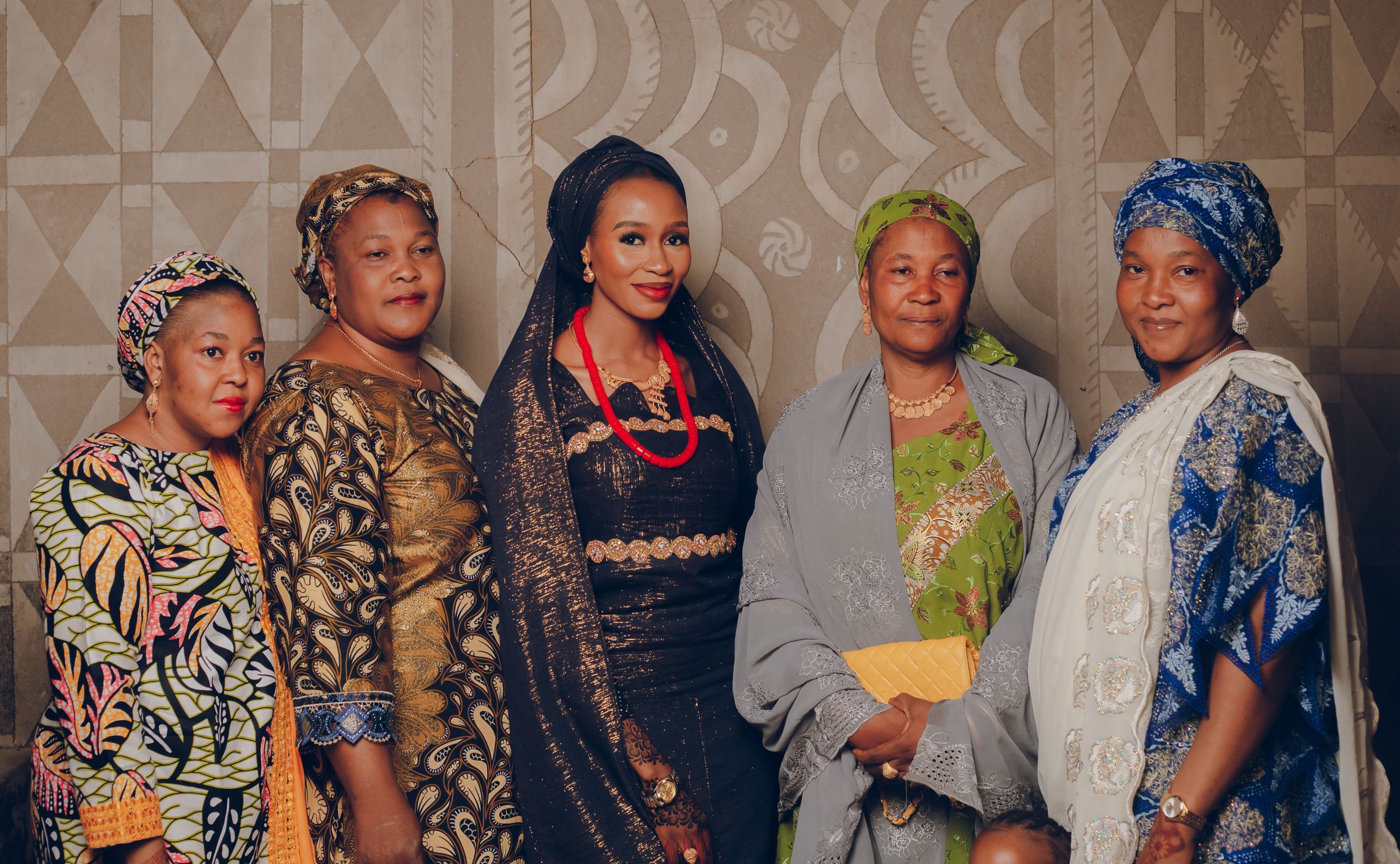
Sierra Leone’s First Lady, Dr. Fatima Maada Bio, has put regional institutions and political leaders on notice over the gap between their declared commitments to gender equality and the continued exclusion of women from the decisions that govern West Africa’s economic future. Speaking in Freetown on November 17, 2026, she warned that meaningful regional integration and sustainable prosperity cannot be achieved while women remain shut out of key decision-making processes.
Her intervention came during a high-level dialogue titled “Women in Leadership: Shaping West Africa’s Integration and Growth,” convened on the sidelines of the West Africa Integration and Investment Summit 2026. The dialogue brought together women activists, entrepreneurs and influential leaders from across the region and beyond to examine how female leadership can strengthen regional cooperation, expand investment opportunities and accelerate economic development.
For Mrs. Bio, who also serves as President of the Organisation of African First Ladies for Development (OAFLAD), the question was not simply one of representation. She argued that genuine progress requires dismantling the structural barriers that prevent women from exercising authority, influencing policy and participating fully in economic life. “Women must not simply be invited to participate in shaping the future; they must be empowered to lead, influence decisions and occupy the highest levels of authority across every sector,” she declared.
The First Lady placed women’s economic empowerment squarely within the broader debate over the region’s integration agenda, pointing to the contradiction between West Africa’s ambitions for greater prosperity and the marginalisation of women in governance, trade, investment and institutional leadership. Leadership, she stressed, must be measured not by titles or visibility but by its capacity to deliver institutional change, expand economic opportunities and improve living standards.
Her remarks carried a clear message for policymakers and institutions: declarations must give way to measurable results, particularly as West African countries seek to deepen economic cooperation, attract investment and strengthen their competitiveness. Regional integration, she argued, cannot deliver its full potential without recognising women as equal partners in shaping economic policy, advancing innovation and building the institutions needed to sustain growth.
“We cannot speak of regional prosperity, political cooperation and economic advancement while leaving half of our population on the margins of decision-making,” she said.
Mrs. Bio maintained that women already play indispensable roles as policymakers, entrepreneurs, innovators, professionals and advocates, but that their contributions must be matched by greater institutional support and access to leadership opportunities. She called for stronger systems enabling women entrepreneurs to access financing, build competitive businesses and participate meaningfully in regional markets. Equally important, she said, were investments in girls’ education, stronger protection of women’s rights and policies that create lasting opportunities for future generations.
She also challenged women themselves to pursue ambitious goals despite the multiple responsibilities they shoulder, insisting that their influence must extend across every sphere of national and regional development.
Meanwhile, as OAFLAD President, Mrs. Bio has continued to champion women’s empowerment, girls’ education and stronger institutional commitments to gender equality as essential components of Africa’s development agenda. Her latest intervention reinforced a growing recognition that expanding women’s participation in economic and political leadership is not merely a question of fairness but a strategic development priority.
The message carries particular weight for West Africa, where efforts to strengthen regional trade, investment and economic cooperation depend partly on widening access to finance, entrepreneurship and productive opportunities. Greater participation by women-owned businesses, she suggested, could help broaden the benefits of integration and make regional growth more inclusive.
Mrs. Bio urged leaders to focus on changing the structures that restrict women’s advancement rather than treating increased representation as an end in itself. The ultimate objective, she said, must be to build societies in which women’s ambitions are not constrained by gender and their contributions are reflected in the decisions that determine national priorities.
“Our vision must be a West Africa where a woman’s ambition is never restricted by her gender, where her voice carries weight in the decisions that shape our nations, and where her leadership is recognised as an indispensable force for progress,” she stated.
Closing her intervention, the First Lady reaffirmed her determination to promote a development model that places women at the centre of political leadership, economic opportunity and regional cooperation. “The future we seek cannot be built with half the population standing on the sidelines. We must lead together, build together and prosper together,” she said.
The summit’s official programme confirms that women’s business leadership is a priority across its four investment pillars: energy, strategic minerals, agribusiness and digital transformation. The inaugural summit runs from November 16 to 18 under President Julius Maada Bio’s leadership, with an emphasis on connecting investment-ready projects to financing and tracking commitments beyond the event itself. Whether those commitments translate into institutional change for women’s leadership remains the question the First Lady has now placed squarely before the region’s decision-makers.