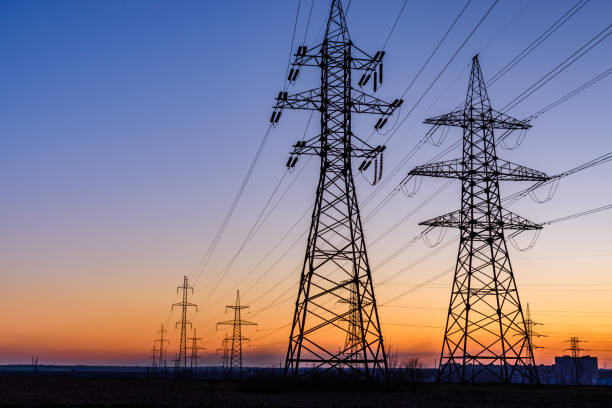
Electricity Regulations officially take effect in South Africa on December 28, ushering in a new era of electricity governance aimed at curbing excessive consumption and protecting the country’s strained national power grid. The new rules are part of broader reforms designed to stabilise electricity supply, improve system efficiency, and prevent future disruptions caused by uncontrolled demand.
The regulations apply across the electricity value chain, affecting households, businesses, municipalities, and large industrial users. Authorities say the measures are necessary to ensure long-term energy security after years of pressure on the grid caused by rising demand, infrastructure constraints, and uneven consumption patterns.
What the New Electricity Regulations Introduce
The updated Electricity Regulations establish a framework that allows energy authorities and utilities to better manage electricity demand, particularly during periods when the grid is most vulnerable.
Key features of the regulations include enhanced oversight of consumption levels, demand-management mechanisms during peak periods, and stricter compliance requirements for high-volume electricity users. Utilities are also granted stronger enforcement powers to address excessive or irregular usage that threatens grid stability.
Officials have stressed that the regulations are not intended to restrict access to electricity, but rather to promote responsible usage and prevent system overloads that could lead to outages.
Why South Africa Is Enforcing Electricity Regulations Now
South Africa’s electricity system has operated under sustained strain for more than a decade. While recent improvements in generation capacity have eased some pressure, energy planners say demand-side challenges remain a major risk.
Uncontrolled electricity consumption during peak hours places severe stress on transmission lines, substations, and generation reserves. According to energy experts, even short periods of excessive demand can destabilise the system and trigger cascading failures.
The Electricity Regulations are intended to address this imbalance by ensuring that consumption patterns align more closely with available supply.
How Households Will Be Affected
For most residential consumers, the impact of the new Electricity Regulations will be gradual rather than immediate.
Households are expected to:
- Be more conscious of electricity use during peak hours
- Avoid running multiple high-energy appliances simultaneously
- Consider energy-efficient alternatives where possible
While no blanket household consumption caps have been announced, utilities may use smart metering and billing data to identify unusually high or wasteful usage patterns.
Officials have reassured the public that ordinary households using electricity responsibly are unlikely to face penalties.
Stricter Oversight for Businesses and Industry
Commercial and industrial electricity users will face closer scrutiny under the new regulatory framework.
Businesses with high electricity demand may be required to:
- Conduct regular energy audits
- Implement demand-response or load-shifting measures
- Adjust operating schedules to reduce peak-time usage
Large industrial users that consistently exceed approved consumption thresholds could face corrective actions, including mandatory reductions or administrative penalties.
Industry representatives have broadly welcomed the regulations, noting that clearer rules provide certainty and help prevent system-wide disruptions that affect economic activity.
Penalties and Compliance Measures
The Electricity Regulations introduce clearer enforcement mechanisms aimed at ensuring compliance across all user categories.
These measures include:
- Financial penalties for excessive or non-compliant consumption
- Restrictions on supply in severe or repeated cases
- Stronger action against illegal connections and meter tampering
Authorities say enforcement will be proportional and focused on protecting the integrity of the grid rather than punishing consumers unnecessarily.
Government Oversight and Regulatory Intent
Energy officials have described the Electricity Regulations as a cornerstone of South Africa’s evolving electricity governance framework.
The regulations support broader reforms aimed at:
- Improving grid reliability
- Encouraging efficient electricity use
- Supporting a more flexible and competitive power market
Government departments and regulators have committed to transparent implementation, with ongoing engagement planned between utilities, businesses, and consumer groups.
Public Awareness and Industry Response
Consumer advocacy groups have called for clear communication to ensure the public understands how the regulations affect daily electricity use. In response, authorities have indicated that awareness campaigns will accompany the rollout.
Energy analysts have largely endorsed the regulations, noting that demand-side management is a critical component of stabilising power systems worldwide.
What Happens Next
Utilities will continue rolling out implementation guidelines in phases, with monitoring expected to increase over the coming months. Consumers are encouraged to stay informed through official utility channels and adjust usage habits where necessary.
As South Africa continues its transition toward a more resilient and sustainable electricity system, the Electricity Regulations are expected to play a central role in protecting infrastructure, balancing demand, and ensuring long-term energy security.
Conclusion
The implementation of the Electricity Regulations marks a significant step in South Africa’s efforts to stabilise its power system and prevent future disruptions. By targeting excessive consumption and strengthening oversight, authorities aim to protect the national grid while ensuring fair and reliable electricity access for all users.
As the regulations take effect from December 28, consumers and businesses alike will need to adapt to a more disciplined approach to electricity use. Energy officials say ongoing monitoring, public awareness, and phased enforcement will be key to the success of the new framework, as South Africa continues to reform its electricity sector and secure long-term energy stability.