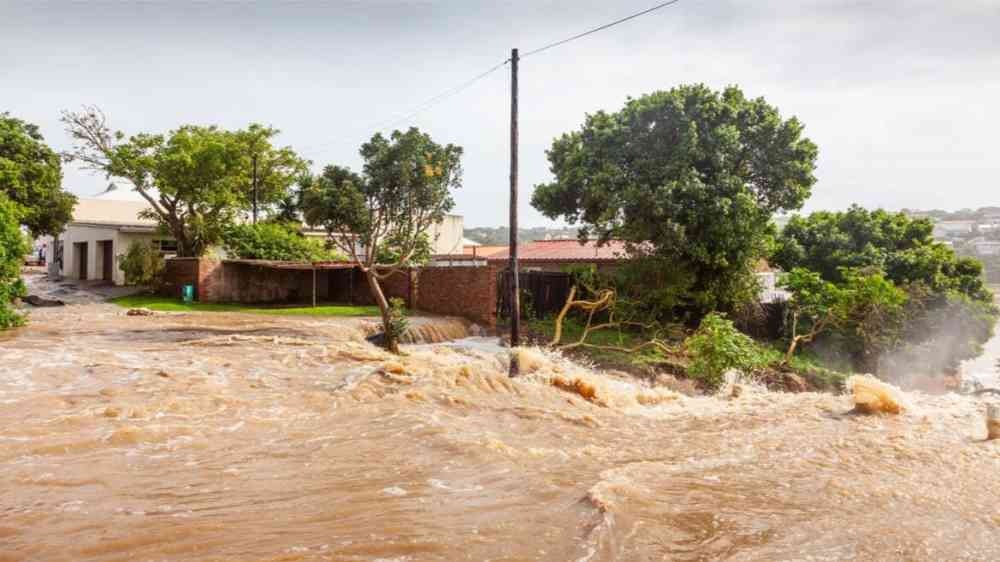
Severe Mpumalanga floods have tragically claimed 37 lives across the provinces of Mpumalanga and Limpopo, South Africa. Authorities report widespread damage to infrastructure, homes, and transport networks, with rescue teams working around the clock to aid stranded residents.
The floods, triggered by days of heavy rainfall, have overwhelmed rivers and drainage systems, leaving communities isolated and vulnerable. Emergency response teams are coordinating relief efforts, while provincial authorities have declared disaster zones in several areas.
What Happened?
The unprecedented rainfall in the past week caused rivers in both Mpumalanga and Limpopo to overflow, submerging roads, homes, and farmland. The Mpumalanga floods have affected thousands, leaving families displaced and emergency shelters overcrowded.
Local municipalities report that bridges and rural roads have been washed away, making access difficult for first responders. Officials emphasize that these floods are among the deadliest to hit these provinces in recent years.
“We are facing one of the most challenging disaster responses in the province’s history,” said a spokesperson from the Mpumalanga Disaster Management Center.
Official Statements
Provincial premiers and disaster management officials have confirmed the scale of the devastation. In a press briefing, the Limpopo Premier highlighted the urgent need for government support, stating that hundreds of families have lost homes and property.
“The floods have caused unprecedented damage. Immediate assistance is critical to save lives and provide relief,” the Premier said.
National disaster management authorities have also pledged to assist with relief operations, sending food, medical supplies, and temporary shelters to affected areas.
Casualties and Human Impact
As of now, 37 deaths have been confirmed, with many more reported missing. Victims include men, women, and children, highlighting the widespread human toll.
Relief agencies report that families are living in emergency shelters, often without access to sufficient food, clean water, or medical care. Hospitals in affected regions are operating at full capacity to treat injuries and prevent disease outbreaks.
“The human cost of these floods is devastating. Communities are facing a long recovery,” said a Red Cross official.
Infrastructure Damage
The Mpumalanga floods have severely affected transport and infrastructure. Roads, bridges, and communication lines have been destroyed, making disaster response challenging. Several schools and clinics have been submerged, and electricity outages have been reported in multiple areas.
Local authorities estimate that rebuilding efforts will take months and require significant funding. The floods have also damaged agricultural lands, threatening food security in affected regions.
On Social Media
Social media platforms have been flooded with videos and images showing submerged streets, destroyed homes, and stranded residents. Hashtags such as #MpumalangaFloods and #LimpopoFloods are trending, reflecting public concern and support.
Many South Africans have also used social media to coordinate relief efforts, donate supplies, and volunteer to assist victims. The community response has been critical in reaching areas cut off by floodwaters.
What Happens Next?
Authorities are continuing rescue operations, but the heavy rainfall is expected to persist in some regions, potentially worsening the situation. Disaster management teams are urging residents to evacuate flood-prone areas and remain vigilant.
Emergency response priorities include:
- Rescuing stranded families.
- Providing temporary shelter and medical assistance.
- Restoring critical infrastructure such as roads and power.
- Distributing food and clean water to affected communities.
Government and NGO Responses
National and provincial governments have mobilized resources to respond to the crisis. NGOs, including the Red Cross and local charities, are providing emergency relief, while military and police units assist with rescue and evacuation operations.
Financial support and donations are being coordinated to ensure swift delivery to the most affected communities. Provincial leaders are urging the public to contribute and follow safety advisories.
Lessons and Future Preparedness
The Mpumalanga floods highlight the vulnerability of the provinces to extreme weather events. Experts suggest that improving infrastructure, early warning systems, and disaster preparedness could help mitigate future tragedies.
Climate scientists have also pointed out that severe weather events like these are becoming more frequent due to climate change, emphasizing the need for resilient planning.
“We must strengthen disaster management frameworks and infrastructure to save lives in future emergencies,” said a climate resilience expert.
Conclusion
The Mpumalanga floods have left a trail of devastation, claiming 37 lives and displacing thousands across Limpopo and Mpumalanga. As rescue efforts continue, authorities and communities are working tirelessly to provide aid and restore normalcy.
This tragic event serves as a reminder of the urgent need for disaster preparedness, resilient infrastructure, and community support in facing extreme weather challenges. Recovery will be long, but coordinated efforts from government, NGOs, and citizens are key to overcoming this crisis.